


Best Top 2026 Business Guide - Discover Smart Investments, Market Trends and Strategies for Long-Term Success
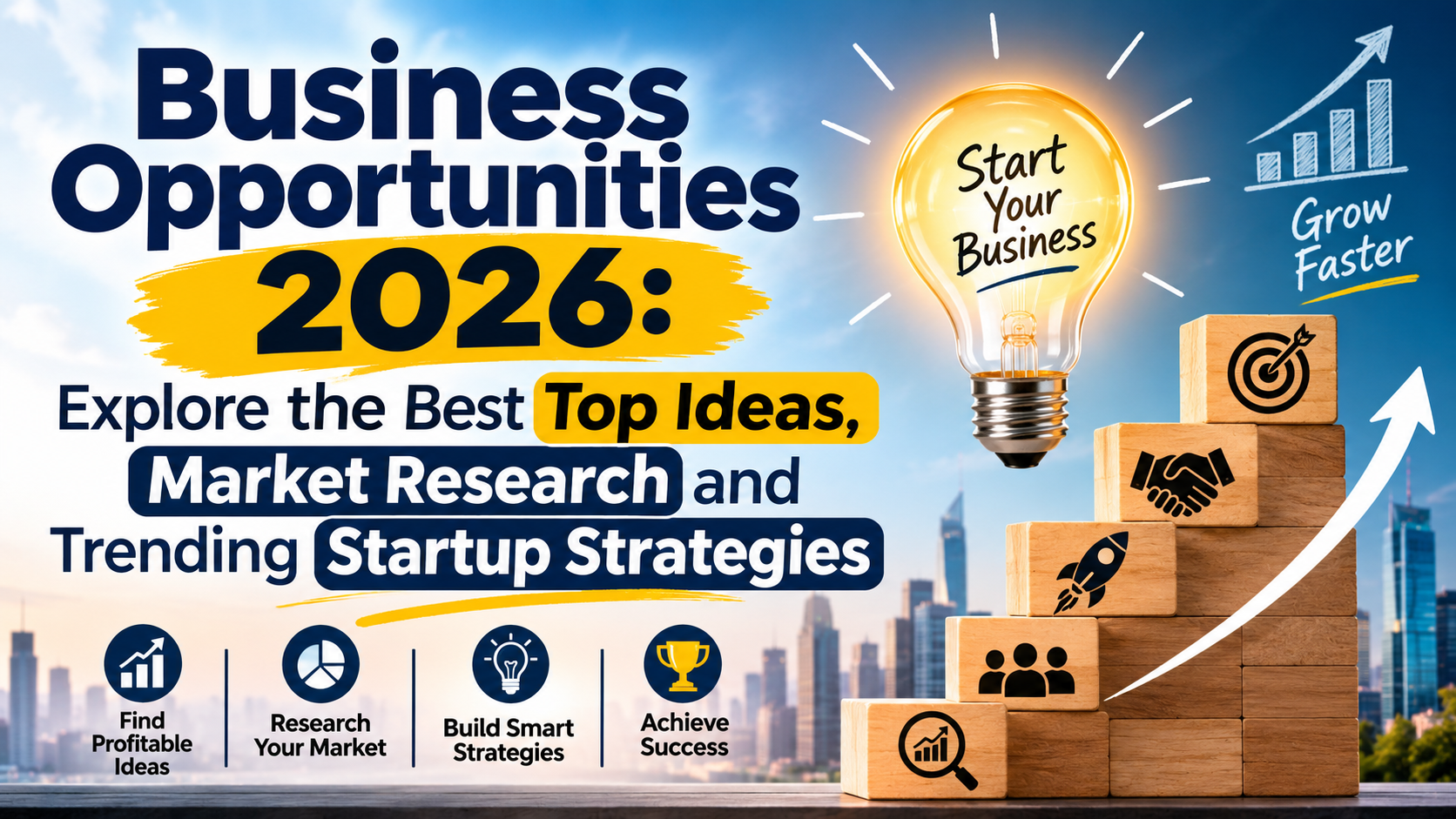
Navigating the modern economic landscape requires more than intuition; it demands a disciplined approach to capital allocation, technological adoption, and consumer behavior analysis. As global markets settle into new rhythms in 2026, founders, executives, and retail investors face an environment defined by rapid infrastructure expansion, shifting supply chains, and heightened expectations for operational efficiency. Whether you are scaling an established enterprise or launching a lean startup, understanding where capital is flowing and how consumer preferences are evolving is the foundation of sustainable profitability.
In the consumer retail and wholesale distribution sectors, specialized niche products continue to outperform generic commodities by capturing fierce brand loyalty and repeat purchasing cycles. For instance, wholesale buyers and specialty shop owners closely track high-demand inventory lines like Kado bar Vapes to maintain healthy profit margins and steady foot traffic. Identifying these high-turnover micro-niches—and balancing them with broader macroeconomic tailwinds—separates resilient businesses from those vulnerable to market volatility.
High-Potential Smart Investments for 2026
Capital allocation in 2026 has matured beyond speculative hype toward tangible utility, cash-flow generation, and foundational infrastructure. Investors and business owners looking to deploy capital effectively should evaluate sectors with structural multi-year demand:
-
AI Infrastructure and Vertical SaaS: While broad consumer-facing AI applications have become crowded, the underlying infrastructure—including data centers, specialized semiconductors, and energy management systems—remains a primary destination for institutional capital. For smaller operators, vertical SaaS tools tailored to specific industries (such as automated compliance, legal drafting, or niche accounting) command strong recurring revenue and higher valuations.
-
Clean Energy and Grid Modernization: Accelerating electrification and surging electricity demand from high-performance computing have turned renewable energy, battery storage, and smart-grid technologies into core economic pillars.
-
Private Credit and Alternative Assets: With accessible digital investment platforms expanding beyond institutional boundaries, private credit funds and asset-backed infrastructure vehicles offer portfolio diversification and steady yield outside traditional public equities.
-
Outcome-Based Upskilling and EdTech: Workforce transformation has shifted demand away from generic courses toward job-linked technical training, certification bootcamps, and practical financial or digital literacy programs.
Defining Market Trends Reshaping Commerce
Consumer expectations and operational benchmarks have shifted dramatically. Businesses that align their internal workflows and customer touchpoints with dominant 2026 market trends gain an immediate competitive edge:
-
AI-Powered Daily Operations: Artificial intelligence has transitioned from an experimental novelty to an everyday operational baseline. Small and mid-sized enterprises use predictive analytics for inventory forecasting, automated customer triage, and dynamic pricing.
-
Hyper-Personalization at Scale: Modern consumers expect tailored interactions rather than generic mass marketing. Brands leveraging first-party data to customize product recommendations, loyalty rewards, and post-purchase communication report significantly higher customer retention and margins.
-
Social Commerce and Frictionless Checkout: Meeting buyers directly inside the digital ecosystems where they already browse eliminates conversion friction. Integrated social storefronts, live-shopping events, and instant digital payment rails are driving a growing share of total retail volume.
-
Tier-2 and Tier-3 Market Expansion: Rapid logistics networks and localized quick-commerce models have unlocked substantial purchasing power outside major metropolitan hubs, creating lucrative opportunities for regional distribution and hyperlocal fulfillment.
Inventory Agility and Niche Product Positioning
Success in physical retail, e-commerce, and B2B distribution hinges on inventory velocity and product differentiation. Carrying bloated, slow-moving stock ties up working capital and erodes net margins. Instead, agile operators use real-time point-of-sale analytics to double down on high-capacity, feature-rich product lines that deliver extended value to the end consumer.
When curating a high-performing catalog, category managers often prioritize flagship releases with recognizable market pull—such as the Kado Bar Drip—to anchor shelf space and drive cross-category sales. By pairing reliable hero SKUs with data-backed reorder thresholds, retailers minimize dead stock, negotiate better volume pricing from suppliers, and protect cash flow against seasonal fluctuations.
Core Operational Strategies for Long-Term Resilience
Rapid growth means little without the operational backbone to sustain it. Building a durable enterprise in 2026 requires disciplined execution across four foundational pillars:
-
Active Risk and Cybersecurity Management: As digital infrastructure expands, smaller enterprises have become prime targets for cyber threats. Investing early in zero-trust access controls, encrypted payment gateways, and automated data backups is far less costly than recovering from a single operational breach.
-
Supply Chain Diversification: Relying on a single geographic region or sole-source vendor exposes businesses to sudden geopolitical and logistical shocks. Adopting multi-sourcing strategies and regional warehousing ensures continuity when disruptions occur.
-
Lean, Outcome-Driven Team Structures: High-performing organizations combine core full-time leadership with specialized fractional talent and creator-economy partners. Prioritizing measurable output and skill-based hiring keeps fixed overhead low while maintaining execution speed.
-
Purpose-Built Internal Tooling: Rather than forcing teams into rigid, expensive enterprise software, agile businesses deploy modular, low-code internal dashboards tailored directly to their exact operational bottlenecks.
Building Sustainable Competitive Moats
In hyper-competitive markets, price wars are a race to the bottom. Long-term market leaders protect their margins by constructing defensible competitive moats:
-
Customer Experience as a Differentiator: Fast, empathetic human support paired with seamless self-service tools justifies premium pricing and turns one-time buyers into vocal brand advocates.
-
Circular and Transparent Sustainability Practices: Eco-conscious consumers and institutional partners increasingly scrutinize packaging waste, energy efficiency, and ethical sourcing. Demonstrable sustainability reduces regulatory risk while strengthening brand equity.
-
Proprietary Data Loops: Every customer interaction, support ticket, and repeat order generates valuable behavioral insight. Businesses that systematically capture and act on this feedback loop continuously refine their offerings faster than competitors can react.
Conclusion
Sustainable business success in 2026 belongs to leaders who balance big-picture strategic discipline with sharp, ground-level execution. By directing capital toward durable infrastructure and high-margin niches, automating repetitive workflows, and safeguarding customer trust, you position your enterprise to compound value regardless of broader economic cycles. Even in fast-moving retail categories—where consumer attention gravitates toward standout innovations like the Kado Bar NI40K—the winning formula remains consistent: stay data-driven, protect your cash flow, and relentlessly deliver value that keeps your audience coming back.

 English
 Arabic
 French
 Portuguese
 Deutsch
 Turkish
 Dutch
 Italiano
 Russian
 Romaian
 Portuguese (Brazil)
 Greek
