


Condo Automation: Understanding Smart Technology, Features, and Benefits for Modern Living in Canada
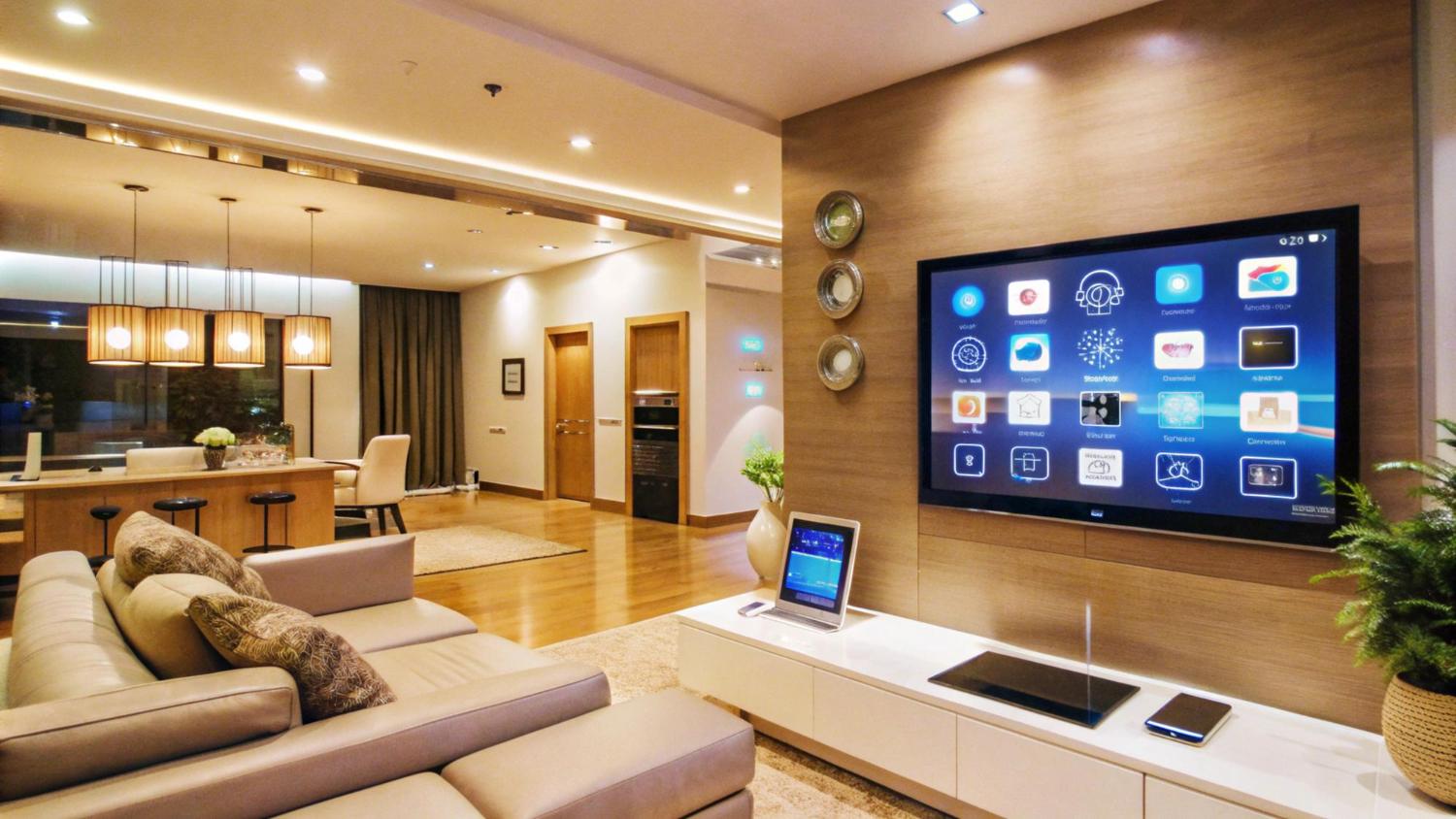
Modern condominium living increasingly involves the use of connected technology to improve convenience, energy management, security, and everyday comfort. As residential technology continues to develop, condo automation has become an important consideration for property owners, residents, and property managers across Canada. These systems allow different household functions to be controlled through smartphones, tablets, automated schedules, and connected devices.
Canadian condominiums often have limited space and shared building facilities, making efficient technology integration particularly relevant. From automated lighting and temperature controls to smart security and energy monitoring, condo automation offers several ways to manage residential environments. Understanding its features, applications, installation requirements, and limitations helps residents make informed decisions about smart home technology.
1. What Is Condo Automation?
Condo automation refers to the use of connected devices and technology to control various functions within a condominium unit. These systems allow residents to manage selected household activities through centralized applications, wireless networks, or compatible control panels.
Unlike automation in detached houses, condominium automation often needs to consider shared infrastructure, building regulations, and space limitations.
Common condo automation features include:
- Smart lighting controls.
- Automated heating and cooling.
- Smart locks and access systems.
- Video doorbells.
- Connected security cameras.
- Automated window coverings.
- Smart electrical outlets.
- Energy monitoring devices.
- Connected entertainment systems.
Depending on compatibility, individual devices can operate independently or connect through a centralized automation platform.
2. Why Condo Automation Is Relevant in Canada
Canada has a diverse condominium market, with residential developments in cities such as Toronto, Vancouver, Calgary, Ottawa, and Montreal. Condominiums vary in size, layout, age, and building infrastructure.
These differences influence the type of automation technology suitable for each property.
Canadian weather conditions also make temperature management an important consideration. Cold winters and seasonal temperature changes can increase the need for effective heating controls.
Smart thermostats and automated climate systems can help residents manage indoor temperatures according to their daily schedules.
Condo automation may also support convenient lighting control, household security, and energy monitoring without requiring extensive changes to the building structure.
3. Smart Lighting and Automated Controls
Smart lighting is one of the most common applications of condo automation. It allows residents to control lights through mobile applications, connected switches, sensors, and voice commands.
Several features can be incorporated into condominium lighting systems.
Remote Lighting Control: Residents can switch lights on or off using connected devices.
Scheduled Operation: Lighting can follow predetermined schedules based on household routines.
Motion Sensors: Compatible sensors can activate lights when movement is detected in selected areas.
Brightness Adjustment: Smart lighting systems may allow residents to adjust brightness levels according to their preferences.
Energy Management: Automated schedules can reduce unnecessary lighting usage.
These functions can be useful in bedrooms, kitchens, living rooms, hallways, and other areas within a condominium.
4. Smart Temperature and Climate Management
Temperature management is particularly important in Canadian condominiums because of seasonal weather changes.
Smart thermostats and connected climate controls allow residents to adjust indoor temperatures through mobile applications or scheduled settings.
Depending on the equipment, these systems may support:
- Programmable heating schedules.
- Remote temperature adjustments.
- Indoor temperature monitoring.
- Occupancy-based temperature controls.
- Energy usage information.
However, compatibility with existing heating and cooling equipment is essential. Some condominium buildings use centralized heating systems, while others have individual heating and cooling units.
Residents should check building requirements and equipment specifications before installing smart temperature controls. Certain modifications may require approval from condominium management.
5. Smart Security and Access Management
Security technology is another important component of condo automation. Connected devices can help residents monitor selected areas and manage access to their units.
Common security features include:
- Smart door locks.
- Video doorbells.
- Indoor security cameras.
- Motion sensors.
- Door and window sensors.
- Remote access notifications.
Smart locks may provide digital access options for authorized individuals. Video doorbells can help residents identify visitors, while compatible sensors can provide notifications about selected activities.
However, condominium residents must consider shared building regulations. Hallways, entrances, elevators, and other common areas may be governed by specific privacy and installation policies.
Connected security devices should also use secure passwords, updated software, and appropriate privacy settings.
6. Energy Efficiency and Smart Condo Technology
Energy management is an important consideration for Canadian households. Condo automation can help residents understand and manage electricity consumption through connected devices.
Smart plugs, energy monitoring equipment, automated lighting, and programmable thermostats can provide information about household energy usage.
Residents may use schedules to control selected appliances and lighting according to their daily routines.
These systems can complement other energy-efficient features, such as insulated windows, efficient appliances, and suitable heating equipment.
However, the actual energy savings depend on device efficiency, household habits, building infrastructure, and the way automation settings are configured.
7. Planning Condo Automation Installation
Planning is essential when introducing smart technology into a condominium. Unlike detached properties, condominiums often have restrictions involving electrical systems, shared networks, exterior structures, and building equipment.
Several factors should be considered before installation.
- Building Regulations: Residents should review condominium bylaws and management policies before making modifications.
- Device Compatibility: Selected devices should work with existing household equipment and automation platforms.
- Internet Connectivity: Reliable network coverage is important for connected devices.
- Installation Requirements: Certain electrical or structural modifications may require qualified professionals and prior approval.
- Privacy Protection: Connected devices should have suitable security settings.
- Future Expansion: Flexible systems can make it easier to introduce additional compatible devices.
A clear installation plan helps avoid unnecessary changes and compatibility issues.
8. Common Challenges of Condo Automation
Although condo automation provides several practical applications, it also involves certain challenges.
Device compatibility can be an issue when different products use separate communication standards. Some smart devices may also depend on a stable internet connection for remote operation.
Building regulations can limit the installation of certain equipment, particularly devices that affect shared infrastructure or common areas.
Privacy is another important consideration. Cameras, microphones, and connected access systems may collect personal information, making responsible device management essential.
Installation expenses can vary depending on the number of devices, property layout, equipment requirements, and system complexity.
Residents should review product specifications, maintenance requirements, and privacy policies before selecting connected technology.
Conclusion
Condo automation is becoming an important part of modern residential technology in Canada. Smart lighting, temperature controls, connected security devices, and energy monitoring systems provide different ways to manage condominium living spaces.
For Canadian condominium residents, successful automation requires careful consideration of building regulations, device compatibility, internet connectivity, privacy, and installation requirements. Understanding these factors helps residents identify suitable technologies while respecting shared property arrangements. With proper planning and responsible management, smart home systems can support convenient, organized, and efficient condominium environments.

 English
 French
 Spanish
 Portuguese
 Deutsch
 Turkish
 Dutch
 Italiano
 Russian
 Romaian
 Portuguese (Brazil)
 Greek
