


Eco-Friendly Living Starts at Home: A Complete Guide to Sustainable Building and Modern Design
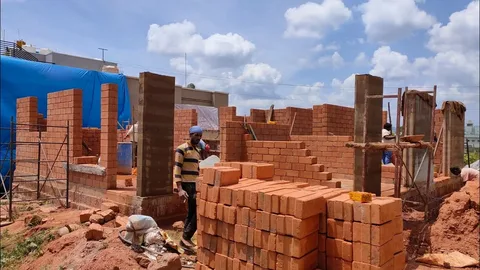
The way we build our homes has a lasting impact on the environment, energy consumption, and everyday living. Traditional construction methods often rely on materials and processes that generate unnecessary waste, consume large amounts of energy, and contribute to environmental pollution. As homeowners become more conscious of these challenges, sustainable building practices are gaining popularity.
Eco Home construction offers a practical approach to creating comfortable, energy-efficient, and environmentally responsible living spaces. It focuses on reducing environmental impact while improving indoor comfort, lowering utility costs, and making better use of natural resources.
Whether you are planning a new property or considering upgrading your existing home, understanding sustainable construction principles can help you make smarter decisions. From selecting environmentally friendly materials to incorporating natural lighting and efficient insulation, every detail contributes to a healthier living environment.
What Is Sustainable Home Construction?
Sustainable home construction involves designing and building residential properties with environmental responsibility in mind. The goal is to minimize waste, conserve natural resources, and reduce energy consumption throughout a home's lifespan.
Unlike conventional construction, sustainable building considers the environmental impact of materials, transportation, installation, daily energy use, and long-term maintenance.
Some important elements include:
-
Energy-efficient windows and doors.
-
High-quality insulation systems.
-
Environmentally responsible building materials.
-
Water-saving plumbing fixtures.
-
Solar energy and renewable power solutions.
-
Natural ventilation and daylight.
-
Efficient heating and cooling systems.
These features work together to create homes that are more affordable to operate and comfortable throughout the year.
Why Eco Home construction Is Becoming More Popular
The demand for environmentally responsible homes continues to grow because homeowners want properties that support both financial savings and environmental protection.
One major advantage is reduced energy consumption. Proper insulation, efficient appliances, and carefully planned ventilation can help maintain indoor temperatures without constantly relying on heating or cooling systems.
Another important benefit is long-term affordability. Although some sustainable building features require a higher initial investment, they may reduce monthly utility expenses and maintenance costs over time.
Environmental awareness is also influencing purchasing decisions. Many buyers prefer properties that use fewer resources, produce less waste, and offer healthier indoor environments.
For homeowners, these improvements represent an opportunity to invest in a property that meets modern expectations while supporting a more sustainable future.
Essential Features of an Energy-Efficient Home
Creating an environmentally responsible property requires more than choosing attractive materials. The entire building should be planned around efficiency, durability, and resource conservation.
1. Proper Insulation
Insulation is one of the most important components of an energy-efficient home. It helps prevent unwanted heat transfer between indoor and outdoor spaces.
Walls, roofs, floors, and attic areas should receive appropriate insulation based on the local climate. High-quality insulation reduces the workload on heating and cooling equipment, helping maintain consistent indoor temperatures.
2. Energy-Efficient Windows
Windows influence how much heat and natural light enter a property. Double-glazed or triple-glazed windows can improve thermal performance and reduce energy loss.
Strategically positioned windows also allow homeowners to take advantage of natural daylight, reducing the need for artificial lighting during daytime hours.
3. Renewable Energy Systems
Solar panels are a popular option for homeowners interested in reducing dependence on conventional electricity sources.
Depending on location, roof orientation, and energy requirements, solar installations can generate a meaningful portion of a property's electricity needs.
Battery storage can provide additional flexibility by storing unused energy for later consumption.
4. Water Conservation
Water-efficient construction helps reduce unnecessary water consumption. Low-flow showerheads, efficient toilets, rainwater collection systems, and smart irrigation solutions can all contribute to responsible water management.
These features are especially useful in areas where water availability is limited.
5. Natural Ventilation
Good ventilation improves indoor air circulation and can reduce reliance on mechanical cooling.
Design strategies such as cross-ventilation, properly positioned windows, and suitable roof ventilation help move fresh air throughout the home.
The Importance of Eco House Design in Modern Living
A thoughtfully planned eco house design combines functionality, appearance, and environmental performance. The objective is to create a home that feels modern and welcoming while making efficient use of available resources.
One of the most important considerations is building orientation. Positioning a home according to the sun's movement can improve natural lighting and help regulate indoor temperatures.
For example, homes in colder climates may benefit from carefully positioned windows that capture winter sunlight. In warmer regions, shading systems, roof overhangs, and appropriate window placement can reduce excessive heat.
Open floor plans can also improve natural light distribution and airflow. Instead of relying entirely on artificial lighting, homeowners can incorporate skylights, large windows, and reflective interior surfaces.
Other useful design considerations include:
-
Green roofs and landscaped outdoor areas.
-
Recycled or reclaimed construction materials.
-
Natural flooring and non-toxic finishes.
-
Energy-efficient lighting.
-
Compact layouts that reduce material requirements.
-
Outdoor spaces that support natural cooling.
The best designs balance environmental performance with the homeowner's lifestyle, budget, and personal preferences.
Choosing Environmentally Responsible Building Materials
Material selection plays a significant role in sustainable construction. Some conventional building products require substantial energy during manufacturing and transportation.
Choosing durable, responsibly sourced alternatives can help reduce the environmental footprint of a project.
Popular material options include:
Reclaimed Wood: Reused timber can reduce demand for newly harvested resources while adding natural character to interiors.
Bamboo: Bamboo is a rapidly renewable material that can be used for flooring, cabinetry, and decorative applications.
Recycled Steel: Recycled steel offers strength and durability while reducing the need for newly produced raw materials.
Recycled Insulation: Certain insulation products incorporate recycled materials and help improve thermal performance.
Low-VOC Paints: These products release fewer volatile organic compounds, supporting better indoor air quality.
Before choosing any material, consider its durability, maintenance requirements, manufacturing process, and suitability for the local climate.
How Sustainable Construction Can Reduce Energy Bills
One of the biggest reasons homeowners consider environmentally responsible building is the opportunity to reduce household energy expenses.
An inefficient home allows conditioned air to escape through poorly sealed windows, roofs, doors, and walls. This forces heating and cooling systems to operate longer than necessary.
Energy-efficient construction addresses these problems through better insulation, air sealing, efficient equipment, and intelligent building orientation.
Smart thermostats can further improve energy management by adjusting indoor temperatures according to occupancy and daily routines.
LED lighting, ENERGY STAR-rated appliances, and efficient water heating systems can also contribute to lower electricity consumption.
The actual savings depend on the property's location, climate, construction quality, household behavior, and energy prices. However, combining multiple efficiency improvements can deliver meaningful long-term benefits.
Common Mistakes to Avoid During Green Home Construction
Although sustainable building offers many advantages, poor planning can reduce its effectiveness.
Here are some common mistakes homeowners should avoid:
Ignoring Local Climate: Materials and design features that work well in one region may not perform effectively elsewhere. Always consider temperature, humidity, rainfall, and seasonal conditions.
Focusing Only on Solar Panels: Renewable energy is valuable, but insulation, ventilation, and air sealing should also receive attention.
Selecting Materials Without Research: Not every product marketed as environmentally friendly has strong sustainability credentials. Review certifications, durability, and manufacturing information.
Overlooking Water Efficiency: Energy savings are important, but responsible water management should also be part of the construction plan.
Skipping Professional Planning: Poor installation and design decisions can create moisture problems, ventilation issues, and unnecessary energy losses.
Working with experienced architects, engineers, and construction professionals helps prevent these problems.
Steps to Plan Your Sustainable Building Project
A successful project begins with clear goals and careful preparation.
-
Establish Your Budget: Determine your construction budget and identify which sustainable features are most important.
-
Select the Right Location: Consider sunlight exposure, drainage, local weather conditions, and access to utilities.
-
Develop a Practical Design: Work with a qualified designer to create a layout that supports natural lighting, ventilation, and efficient space utilization.
-
Research Building Materials: Compare environmentally responsible materials based on quality, availability, performance, and cost.
-
Install Energy-Efficient Systems: Consider insulation, efficient windows, heating and cooling equipment, and renewable energy options.
-
Monitor Construction Quality: Ensure materials are installed correctly and building standards are followed.
-
Plan for Long-Term Maintenance: Choose systems and materials that are durable and relatively easy to maintain.
Following these steps can help homeowners avoid unnecessary expenses while creating a property that performs efficiently over time.
The Future of Environmentally Friendly Homes
Residential construction is gradually moving toward smarter and more resource-conscious solutions. Modern technologies are making it easier to monitor energy consumption, improve indoor comfort, and manage household resources.
Smart home systems can automatically adjust lighting, heating, and cooling according to daily routines. Advanced insulation products, efficient heat pumps, solar technology, and improved building materials are also changing how residential properties are designed.
Another growing trend is passive house construction, which emphasizes airtight building envelopes, excellent insulation, high-performance windows, and controlled ventilation.
These innovations demonstrate that sustainability does not require sacrificing modern comfort or attractive architecture. With thoughtful planning, homeowners can enjoy both.
Conclusion
Building a sustainable home is an investment in comfort, efficiency, and environmental responsibility. From selecting durable materials to improving insulation and incorporating renewable energy, every construction decision can influence long-term performance.
Eco Home construction provides homeowners with an opportunity to create living spaces that use resources more responsibly while reducing unnecessary energy consumption. Combining these principles with thoughtful planning and modern eco house design can result in properties that are attractive, practical, and better prepared for future needs.
Whether you are starting a new construction project or planning improvements to an existing property, focusing on energy efficiency and sustainable materials is a valuable step toward a better living environment.
Frequently Asked Questions (FAQs)
1. What is an environmentally friendly home?
An environmentally friendly home is designed to reduce energy consumption, conserve water, minimize construction waste, and use materials with a lower environmental impact.
2. Is sustainable home construction more expensive?
Initial costs can sometimes be higher because of specialized materials and efficient systems. However, reduced energy consumption and lower maintenance requirements may provide long-term financial benefits.
3. What materials are commonly used in green home construction?
Popular options include reclaimed wood, bamboo, recycled steel, recycled insulation, responsibly sourced timber, and low-VOC paints.
4. How can I make my home more energy efficient?
You can improve energy efficiency by installing quality insulation, sealing air leaks, upgrading windows, using LED lighting, and choosing efficient heating and cooling systems.
5. What makes a home design environmentally friendly?
An environmentally responsible design considers building orientation, natural lighting, ventilation, water conservation, energy efficiency, and responsible material selection.

 English
 Arabic
 French
 Spanish
 Portuguese
 Deutsch
 Turkish
 Dutch
 Italiano
 Russian
 Romaian
 Portuguese (Brazil)
