


Building Your Dream Home: How to Choose the Right Custom Home Construction Expert
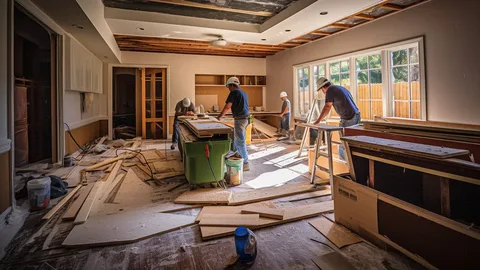
Building a custom home is one of the most exciting investments you can make. It gives you the freedom to create a living space that reflects your lifestyle, personal preferences, and long-term goals. From selecting the perfect floor plan to choosing materials, finishes, and architectural details, every decision helps shape a home that feels uniquely yours. However, turning a vision into a completed property requires careful planning, professional experience, and the right construction team.
Finding a reliable Custom home contractor near me is an important first step toward making your dream home a reality. A qualified contractor helps coordinate every stage of construction, manages subcontractors, monitors project progress, and ensures that the work follows applicable building codes and safety requirements.
Whether you are planning a modern family residence, a spacious luxury property, or a comfortable home designed around your specific needs, choosing an experienced construction professional can make the entire process more manageable.
Why Hiring a Professional Custom Home Contractor Matters
Custom home construction involves much more than putting together walls, floors, and a roof. It requires coordination between architects, engineers, suppliers, electricians, plumbers, and other skilled professionals. Without proper management, even a well-designed project can experience delays, unexpected expenses, and construction problems.
An experienced contractor provides professional oversight from the initial planning stages through the final inspection. They help establish realistic budgets, organize construction schedules, and coordinate the different trades involved in the project.
Professional contractors also understand how to identify potential challenges before they become expensive problems. Their knowledge of construction materials, structural requirements, and local building regulations helps keep projects organized and moving in the right direction.
Most importantly, working with the right professional gives homeowners a reliable point of contact throughout the construction process.
What to Expect From a Licensed General Contractor
A Licensed General Contractor plays an important role in managing residential construction projects. Licensing requirements vary by state and locality, but working with a properly qualified professional helps homeowners establish confidence in the contractor's experience and understanding of applicable regulations.
A general contractor typically oversees several important responsibilities, including:
-
Project Planning: Reviewing construction plans, discussing project requirements, and developing a realistic timeline.
-
Budget Management: Estimating labor and material costs while helping homeowners make informed financial decisions.
-
Subcontractor Coordination: Scheduling electricians, plumbers, roofers, painters, and other specialists.
-
Material Selection: Helping source suitable construction materials based on quality, durability, and budget.
-
Building Code Compliance: Coordinating work to meet applicable construction standards and inspection requirements.
-
Quality Control: Monitoring workmanship and addressing construction issues throughout the project.
Before signing an agreement, homeowners should verify the contractor's license where required, insurance coverage, relevant experience, and references.
Personalized Home Designs That Match Your Lifestyle
One of the biggest advantages of custom construction is the ability to design a home around the way you actually live. Instead of adjusting your lifestyle to fit an existing floor plan, you can create spaces that support your daily activities and future needs.
For example, families with children may prefer open living areas, additional bedrooms, and practical storage solutions. Professionals working remotely might prioritize a quiet home office, while homeowners who enjoy entertaining may want a spacious kitchen connected to an outdoor living area.
Custom home design also allows you to consider details such as:
-
Open-concept kitchens and dining areas.
-
Large windows for natural lighting.
-
Walk-in closets and organized storage.
-
Energy-efficient heating and cooling systems.
-
Modern bathrooms with functional layouts.
-
Outdoor patios, decks, and entertainment spaces.
-
Accessible features for long-term comfort.
A knowledgeable construction professional can help turn these preferences into a practical design that balances appearance, functionality, and construction costs.
Understanding the Custom Home Construction Process
Knowing what happens during construction can help homeowners prepare for each stage and make better decisions along the way.
1. Initial Consultation and Project Discussion
The process usually begins with a conversation about your goals, preferred architectural style, property location, budget, and expected completion timeline. This is an opportunity to explain what you want from your future home and discuss whether your ideas are realistic within your available budget.
2. Design and Architectural Planning
After establishing the project requirements, the next step involves developing architectural plans and construction specifications. These documents outline the property's layout, dimensions, structural components, and important design features.
Professional planning helps prevent misunderstandings and provides a clear direction for the construction team.
3. Budget Development and Material Selection
Construction costs depend on several factors, including property conditions, square footage, labor, material quality, architectural complexity, and local requirements.
Your contractor should provide a detailed estimate explaining the expected expenses. It is also important to discuss allowances, payment schedules, potential additional costs, and contingency funds before construction begins.
4. Permits and Site Preparation
Before major construction starts, necessary permits and approvals must be obtained according to local regulations. The property may also require clearing, grading, excavation, and foundation preparation.
Proper site preparation creates a stable starting point for the entire structure.
5. Structural Construction
This stage includes foundation installation, framing, roofing, exterior walls, windows, and other major structural components. Regular inspections help confirm that the work meets approved plans and applicable building standards.
6. Electrical, Plumbing, and Interior Work
Once the main structure is established, specialized trades begin installing electrical systems, plumbing, insulation, drywall, flooring, cabinetry, and other interior features.
Coordination is especially important during this stage because several different professionals may need to work in the same areas.
7. Final Inspection and Project Completion
The final stage includes finishing details, checking installations, addressing outstanding issues, and completing required inspections. Before accepting the completed home, homeowners should conduct a walkthrough and document any remaining items that need attention.
How to Choose the Right Construction Professional
Selecting a contractor is a decision that can significantly influence your construction experience. Not every company offers the same level of service, communication, or workmanship.
When comparing contractors, consider these important factors:
Verify Licensing and Insurance: Check applicable licensing requirements and confirm that the contractor carries appropriate liability insurance and workers' compensation coverage where required.
Review Previous Projects: Ask to see photographs, completed projects, and examples of homes similar to the one you want to build.
Check Customer Feedback: Read independent reviews and request references from previous clients. Pay attention to comments about communication, project management, and workmanship.
Request a Written Estimate: A professional estimate should explain the scope of work, material allowances, labor costs, and other expected expenses.
Discuss Communication: Ask how frequently you will receive project updates and who will be your primary contact during construction.
Understand the Contract: Review payment terms, project milestones, warranties, change-order procedures, and responsibilities before signing.
Taking time to compare your options can help you avoid unnecessary complications and establish a productive working relationship.
Benefits of Working With an Experienced Custom Home Builder
A well-managed construction project can provide several long-term advantages. Experienced professionals understand how to coordinate different construction activities while maintaining attention to design requirements and project specifications.
Some key benefits include:
-
Greater Design Flexibility: Create spaces based on your personal preferences rather than choosing from limited standard layouts.
-
Better Space Utilization: Plan rooms, storage, and common areas around your household's needs.
-
Material Choices: Select finishes and building products that suit your budget and desired appearance.
-
Modern Building Features: Incorporate energy-efficient systems, smart home technology, and contemporary construction methods.
-
Professional Project Management: Keep construction activities, subcontractors, and materials organized.
-
Long-Term Functionality: Include features that support changing family needs and everyday comfort.
A custom home is not simply about creating an attractive property. It is about building a space that remains comfortable, practical, and suitable for your lifestyle over the years.
Energy Efficiency and Modern Construction Solutions
Energy efficiency has become an important consideration for homeowners planning new construction. A thoughtfully designed home can reduce unnecessary energy consumption while improving indoor comfort.
Several features can contribute to better efficiency, including high-quality insulation, energy-efficient windows, properly sized HVAC equipment, LED lighting, and modern ventilation systems.
Homeowners may also consider solar-ready roofing, smart thermostats, efficient water heaters, and appliances designed to consume less electricity.
Discuss these options with your construction team during the planning stage. Installing certain features during initial construction can be more practical than upgrading them after the home is completed.
Why Local Construction Experience Is Valuable
Working with a contractor familiar with your area can make project coordination easier. Local professionals may have experience with regional weather conditions, common soil characteristics, municipal permit procedures, and local building requirements.
For homeowners searching for a Custom home contractor near me, it is worth comparing professionals based on their knowledge of the surrounding community as well as their construction experience.
A contractor familiar with local suppliers and subcontractors may also be better positioned to coordinate material deliveries and specialized services. However, local familiarity should always be supported by verified qualifications, appropriate insurance, strong references, and a clear written agreement.
Planning Your Budget Without Sacrificing Quality
A realistic budget is essential for keeping a custom construction project under control. While it can be tempting to focus only on the initial construction estimate, homeowners should consider the complete cost of developing and finishing the property.
Expenses may include land preparation, architectural services, permits, materials, labor, utility connections, landscaping, and interior finishes.
It is also wise to maintain a contingency reserve for unexpected conditions. For example, difficult soil conditions, material price changes, or design modifications may affect the original estimate.
Instead of automatically choosing the lowest bid, compare the scope of work and materials included in each proposal. A lower estimate may exclude important services or use different material specifications.
Quality planning and transparent pricing can help protect your investment and reduce financial surprises.
Start Building a Home That Reflects Your Vision
Creating a custom home requires thoughtful decisions, professional coordination, and a construction team that understands your priorities. From the first design discussion to the final walkthrough, every stage contributes to the quality and functionality of your future living space.
Choosing a qualified Licensed General Contractor can help you manage construction activities, coordinate skilled professionals, and address important project requirements. Take time to review qualifications, compare estimates, examine previous work, and understand the contract before making your decision.
If you are ready to move forward, researching a Custom home contractor near me can help you connect with professionals who understand your construction goals and can guide you through the next steps.
A successful home-building experience begins with a clear plan, realistic expectations, and the right people working together to bring your vision to life.
Frequently Asked Questions (FAQs)
1. What does a custom home contractor do?
A custom home contractor manages the construction of a home based on the homeowner's specific design and requirements. Responsibilities generally include project planning, budgeting, hiring subcontractors, coordinating materials, monitoring workmanship, and overseeing construction activities.
2. How do I find a reliable Licensed General Contractor?
Start by checking licensing requirements in your area and verifying the contractor's credentials. Review previous projects, read customer feedback, request references, confirm insurance coverage, and compare detailed written estimates before making a decision.
3. How much does it cost to build a custom home?
The total cost depends on location, property conditions, home size, architectural design, materials, labor, and additional features. Requesting a detailed estimate based on your specific project is the best way to understand the expected investment.
4. How long does custom home construction take?
The timeline varies depending on the home's size, design complexity, weather, permitting, material availability, and construction conditions. Smaller projects may take less time, while larger or more complex homes can require considerably longer.
5. Can I customize every part of my new home?
In most cases, homeowners can customize many aspects of the design, including floor plans, room layouts, kitchens, bathrooms, flooring, lighting, and exterior finishes. Structural limitations, local regulations, and the project budget may affect certain choices.

 English
 Arabic
 French
 Spanish
 Portuguese
 Deutsch
 Turkish
 Dutch
 Italiano
 Russian
 Portuguese (Brazil)
 Greek
