


Does Flame Retardant Plastic Sheeting Stop Burning After Ignition?
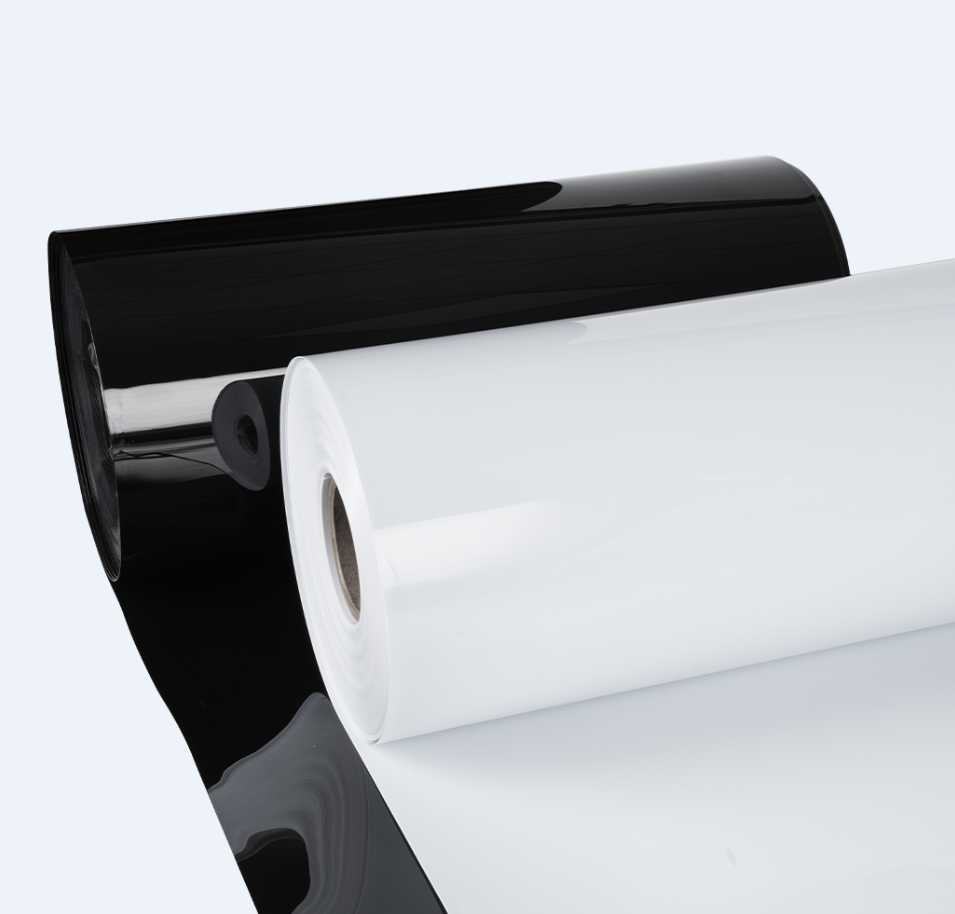
The term flame retardant plastic sheeting can create a misleading impression. Some buyers expect the material to remain unchanged under direct fire, while the actual purpose of flame-retardant treatment is quite different. The material is designed to resist ignition, reduce flame propagation, and help stop combustion after the external flame source is removed.
Understanding this distinction matters during construction containment, temporary partitions, equipment protection, and other applications where plastic film may be exposed to heat or accidental sparks.
What Happens Under Direct Flame?
Ordinary polyethylene sheeting can ignite, melt, drip, and continue burning after contact with a flame. Flame-retardant formulations behave differently because special additives modify the combustion process.
- Ignition resistance: The material may require more heat or longer exposure before sustained combustion develops.
- Reduced flame spread: Once ignition occurs, flame movement across the sheet can be slowed.
- Self-extinguishing behavior: Some formulations stop burning after the external ignition source is removed.
- Controlled melting: Polyethylene-based film can still soften or melt under high temperatures, even with flame-retardant properties.
These characteristics explain why flame retardant does not mean fireproof. A sheet can pass a specified flammability test while still being unsuitable for direct open-flame exposure.

Which Technical Ratings Matter?
Product specifications provide a more useful reference than the term “flame retardant” alone. Different applications may require different testing methods.
- NFPA 701: Commonly used to evaluate flame propagation characteristics of fabrics, films, and similar materials.
- ASTM E84: Measures surface burning characteristics and reports flame spread and smoke development results.
- UL 94: Used for evaluating the flammability behavior of plastic materials, with classifications such as HB and V-rated categories.
Test standards should match the intended application. Passing one test does not automatically mean that a plastic sheet satisfies every fire-safety requirement.
Does Thickness Affect Burning Behavior?
Thickness is another product detail worth checking. Commercial plastic sheeting may be supplied at 4 mil, 6 mil, or thicker gauges depending on the application. A 6 mil polyethylene sheet, for example, can provide greater physical strength than a thinner film, but thickness alone does not establish its flame-retardant rating.
Relevant test data can include afterflame time, burning drips, char length, tensile strength, dart impact, and elongation. One commercially available 6 mil flame-retardant polyethylene sheet lists zero seconds of afterflame and reports separate measurements for burning drips and char length under its stated test method.
Where Does Flame Retardant Sheeting Make Sense?
The material can be useful anywhere temporary plastic barriers or coverings are needed alongside additional fire-safety considerations.
- Construction containment: Temporary walls can help control dust and separate work areas.
- Renovation projects: Fire-retardant film can provide an additional safety layer around temporary enclosures.
- Event and stage applications: Certain films are used where temporary barriers or backdrops require tested flame propagation characteristics.
- Industrial protection: Reinforced versions can combine flame-retardant performance with improved tear and puncture resistance.
Some reinforced products combine flame-retardant polyethylene layers with an internal scrim, helping the sheet withstand mechanical stress while maintaining specified fire-related properties.
Flame Retardant Does Not Mean Fireproof
The answer to the title question is therefore more nuanced: flame retardant plastic sheeting can stop sustained burning under specific test conditions, but it does not make plastic immune to fire, heat, or melting.
Product buyers should review the polymer type, thickness, reinforcement, applicable test standard, afterflame results, and intended installation environment together. A clear understanding of these specifications makes it easier to match the sheet with the actual fire-safety requirements of a project.

 English
 Arabic
 French
 Spanish
 Portuguese
 Deutsch
 Dutch
 Italiano
 Russian
 Romaian
 Portuguese (Brazil)
 Greek
