


What Can bluefirecans Confirm Before Manufacturing Begins?
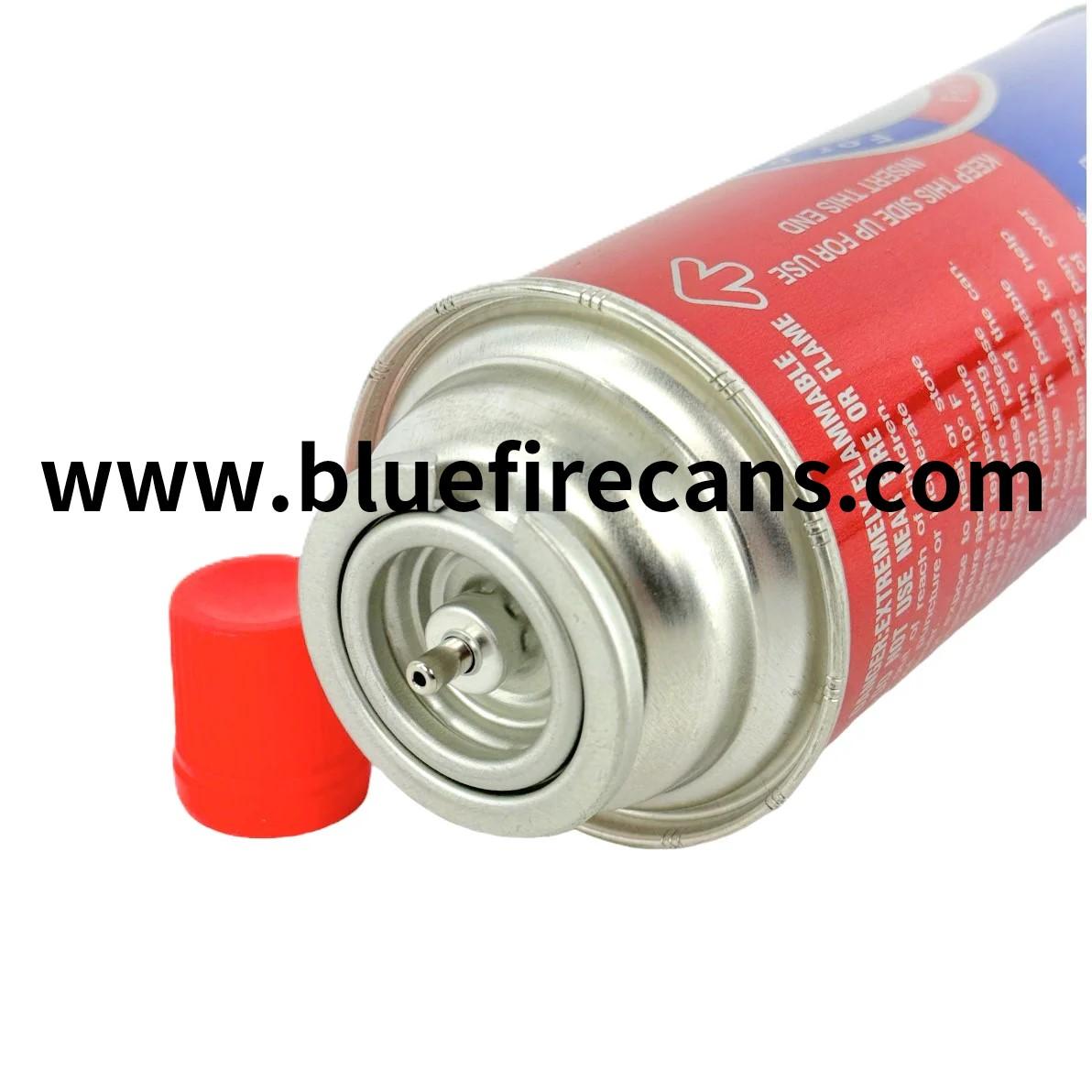
Butane Gas Cartridge Manufacturer selection requires buyers to examine more than product appearance and quoted prices. For importers, distributors, and equipment brands, a supply partnership involves technical coordination, production planning, quality procedures, and communication throughout the order process. Asking specific questions before confirming an agreement helps both sides establish clear expectations and reduce avoidable misunderstandings.
Define the Intended Application Before Discussing Specifications
The intended application should guide the initial product discussion. Outdoor cooking, camping equipment, portable burners, and other fuel-powered appliances may require different container dimensions, capacities, and connection designs. Buyers should explain the equipment that will use the product, the expected operating environment, and the target customer group.
Capacity is another important consideration. Compact options may suit users who prioritize portability, while larger formats can support applications that require more fuel between replacements. Suppliers should be able to discuss available sizes and explain which specifications need further technical confirmation.
Before requesting a quotation, prepare a clear specification sheet. Include the required net filling weight, external dimensions, intended fuel composition, connection type, and expected order quantity. This information gives the production team a practical basis for evaluating feasibility.
Ask About Metal Materials and Structural Design
The container body must be designed for its intended contents and operating conditions. Buyers should ask what metal materials are available, how the body is formed, and which structural features are considered during production.
Wall thickness, body dimensions, base construction, and sealing areas all deserve attention. These details influence how a container performs during filling, storage, handling, and transportation. Instead of relying only on a general product description, purchasers can request drawings or technical documents for review.
It is also useful to discuss whether the supplier can accommodate changes to dimensions, surface finishes, or printed designs. Custom requests should be assessed against manufacturing capability and applicable safety requirements before they are included in an order.
Confirm Valve Design and Equipment Compatibility
The valve is an important part of the complete fuel package. A mismatch between the valve connection and the customer's appliance may affect installation and intended use. Buyers should therefore provide the required thread details, connection references, and equipment information during the inquiry stage.
Ask the supplier to explain available valve configurations and the inspection procedures used to check connection consistency. If a new design is required, request technical drawings or samples for evaluation before approving mass production.
Compatibility should not be assumed simply because two products look similar. Buyers need to verify the relevant dimensions and operating requirements with qualified technical personnel. This step can prevent unnecessary adjustments after delivery.
Review Production Management and Inspection Procedures
A manufacturing partner should be able to explain how quality is managed across different production stages. Buyers can ask about incoming material checks, forming operations, joining processes, valve installation, and finished-product inspection.
For pressurized fuel containers, inspection procedures may include airtightness checks, pressure-related tests, and other assessments specified by applicable requirements. The exact testing plan should match the product design, destination market, and relevant regulations.
Ask whether inspection records can be provided for each production batch. It is also worth clarifying how nonconforming products are identified, separated, and handled. Clear procedures make it easier for purchasing teams to evaluate consistency and follow up on quality concerns.
Check Market Documentation and Compliance Responsibilities
Different destination markets may have different requirements for portable fuel containers. Buyers should identify the countries where products will be sold and ask which standards, approvals, labels, and transport documents may apply.
Do not assume that one certificate automatically covers every size or configuration. The scope of a document should be checked against the actual product, materials, capacity, valve design, and intended use.
Purchasers should also clarify which party is responsible for preparing technical files, product markings, shipping documents, and other required information. Confirming these responsibilities early can help avoid delays during customs clearance or market entry.
Compare Customization, Pricing, and Order Conditions
A quotation should explain more than the unit price. Buyers should compare minimum order quantities, tooling costs, printing options, packaging arrangements, sample charges, payment terms, and estimated production schedules.
For private-label projects, discuss artwork formats, color references, logo placement, and approval procedures. A sample or pre-production confirmation can help both parties agree on the final appearance before a larger order begins.
Ask how changes to specifications may affect cost and lead time. Written confirmation of the agreed details gives purchasing teams a useful reference when reviewing production progress and delivery arrangements.
Evaluate Communication and Long-Term Supply Planning
Reliable communication supports every stage of an international order. Buyers should know who will handle technical questions, sample approval, production updates, inspection feedback, and shipping coordination.
It is helpful to establish a clear schedule for each milestone. For example, both parties can agree when drawings will be reviewed, when samples will be prepared, and when production status reports will be shared.
Long-term planning also deserves attention. Discuss forecast quantities, repeat-order procedures, seasonal demand, and the supplier's approach to handling changes in purchasing plans. A practical supply arrangement should leave room for reasonable coordination while keeping product requirements consistent.Choosing a manufacturing partner is ultimately a process of checking whether technical capability, quality management, documentation, and communication match the buyer's business needs. Companies evaluating these factors can review the product range and manufacturing information from bluefirecans at https://www.bluefirecans.com/ before discussing specifications and a potential cooperation plan.

 English
 Arabic
 French
 Spanish
 Portuguese
 Deutsch
 Turkish
 Italiano
 Russian
 Romaian
 Portuguese (Brazil)
 Greek
