


Table Runner Market Innovations Shaping Modern Dining Experiences
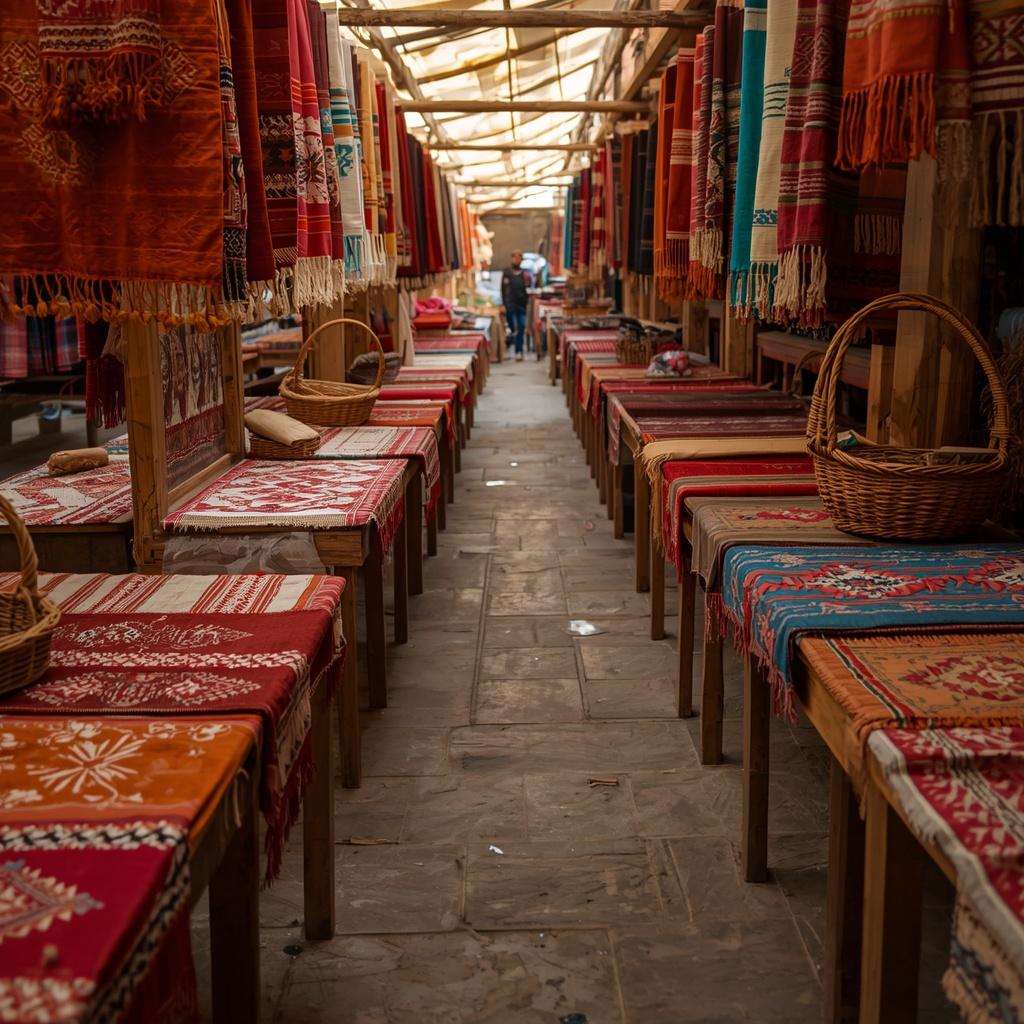
Dining spaces are becoming more personalized as homeowners explore different ways to improve the appearance and functionality of their interiors. A dining table is not only a place for meals; it can also serve as a setting for conversations, family activities, celebrations, and social gatherings. Decorative accessories help create an inviting atmosphere, and table runners offer a flexible option for changing the look of a table. As customers explore new designs and materials, product innovation is becoming an important part of the table runner market.
Growing interest in innovative dining table textile designs reflects the demand for products that combine attractive presentation with everyday practicality. Manufacturers can explore different fabric textures, surface finishes, patterns, shapes, and construction techniques to create products for varied interior preferences. Innovation can also focus on easier maintenance, versatile styling, and designs that suit different dining environments.
New Approaches to Fabric Design
Fabric development is an important area of product innovation. Table runners can be produced using different materials and textile combinations, each offering a distinct appearance and feel. Cotton-based designs may appeal to customers who prefer familiar fabric textures, while linen-inspired options can complement natural interior themes.
Blended fabrics can provide additional design possibilities by combining selected material characteristics. Manufacturers can also explore different weaving methods and surface treatments to create distinctive textures. These features can help a product stand out while giving customers more choices.
The material should be selected according to the intended use of the runner. A product designed for everyday dining may have different requirements from one created mainly for decorative occasions. Understanding these differences can help manufacturers develop more suitable collections.
Functional Design and Practical Use
Innovation is not limited to appearance. Customers also look for table runners that are easy to arrange, handle, store, and maintain. Practical features can influence whether a product is suitable for regular household use.
The fabric should fall naturally across the table and remain appropriate for its intended setting. Customers may prefer materials that are easier to clean, especially when the runner is used during everyday meals. The edges, stitching, and overall construction can also influence how the product looks and performs over time.
Manufacturers can focus on creating designs that balance decorative appeal with practical considerations. A well-designed runner should look attractive while fitting comfortably into the customer's daily routine.
Patterns and Creative Design Concepts
Patterns are an important way for manufacturers to introduce variety. Floral designs, geometric shapes, traditional motifs, abstract patterns, and simple stripes can appeal to different customer groups.
Some customers prefer timeless designs that can remain part of their home decoration for a long time. Others enjoy seasonal or occasion-based patterns that help refresh a dining space. Creative combinations of colors and textures can also create distinctive collections.
Designers can take inspiration from different interior styles, including contemporary, rustic, traditional, and minimalist decoration. By developing collections around these themes, brands can make it easier for customers to find products that match their preferences.
Versatile Products for Different Settings
Table runners can be used in more than one type of dining environment. They may complement family dining tables, formal dining rooms, kitchen tables, and decorative tables used during gatherings. Some customers may also use them on consoles, side tables, or other furniture surfaces.
Versatility can become a valuable feature when customers want accessories that work in different parts of the home. A simple design may be suitable for several settings, while a more distinctive pattern can serve as a decorative focal point.
Manufacturers can offer different styles and dimensions to support these uses. Clear product descriptions can help customers understand the intended placement and choose an appropriate option.
Personalization and Customer Preferences
Customers increasingly explore home products that reflect their individual tastes. Table runners can support personalization through color selection, patterns, fabric textures, and decorative details. Some brands may also offer coordinated collections that allow customers to combine runners with placemats, napkins, or other table accessories.
Personalization does not always require customized products. A wide selection of styles can allow customers to create their own combinations. Brands that understand different decorating preferences can organize their collections around themes, occasions, and interior styles.
Digital Retail and Product Presentation
Online retail has created additional opportunities for table runner brands to present their products. Customers can view different designs, compare fabric descriptions, and explore styling photographs before purchasing.
Product presentation is especially important for decorative textiles because shoppers often want to understand how a design will look on an actual table. Clear photographs, close-up fabric images, and useful descriptions can make product selection easier.
Retailers can also present collections according to color, material, occasion, or interior theme. This can help customers discover products that fit their requirements.
Future Innovation in the Table Runner Market
The table runner market can continue to evolve through creative textile designs, functional improvements, and changing home decoration preferences. Manufacturers that focus on material suitability, attractive patterns, practical maintenance, and versatile styling can develop products for different customer needs.
Innovation will remain most useful when it addresses real household preferences. A table runner that looks attractive, fits different settings, and is convenient to maintain can become a valuable part of modern dining decoration.
FAQs
Q1. What types of innovation are influencing table runner products?
Innovation can include new fabric combinations, different weaving techniques, creative patterns, improved construction, practical maintenance features, and designs intended for different home settings.
Q2. Why is fabric selection important when buying a table runner?
Fabric affects the runner's appearance, texture, maintenance needs, and suitability for everyday or occasional use. Choosing an appropriate material can improve both its decorative value and practicality.

 English
 Arabic
 French
 Spanish
 Portuguese
 Deutsch
 Turkish
 Dutch
 Italiano
 Russian
 Portuguese (Brazil)
 Greek
