


Management Agreement or Lease? How a Coworking Operator Should Price the Risk of a New Floor in a Secondary Market
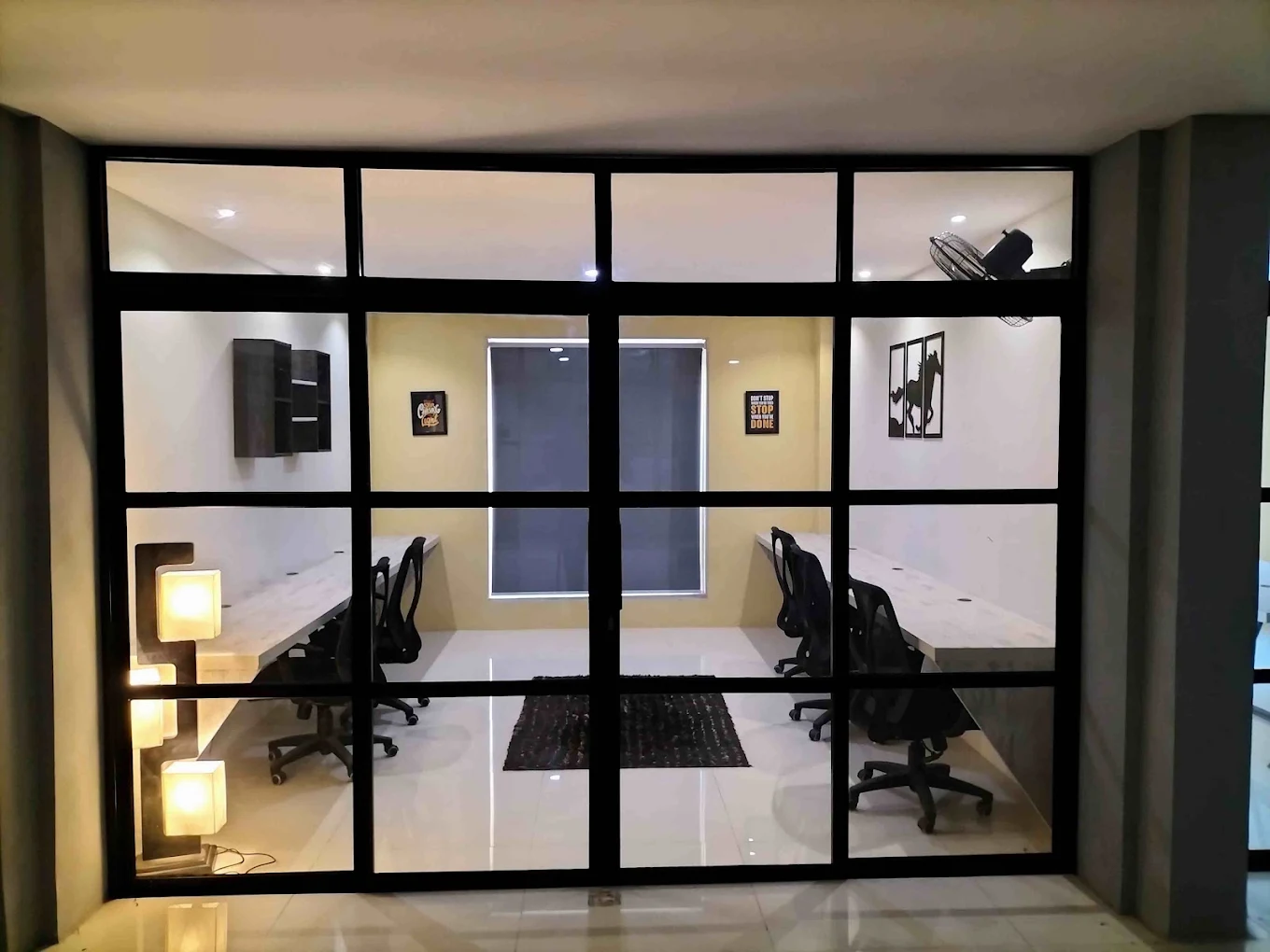
A landlord in Lahore has an empty floor in Gulberg. The building is in reasonable condition, and the owner wants to put the space to work.
For an expanding coworking operator, it sounds like an opportunity. But a ready floor will not necessarily fill quickly.
Before discussing furniture, layouts, or a launch date, the operator needs to answer a more important question: who carries the cost if occupancy takes longer than expected?
The landlord might offer a conventional lease. Another option is to share revenue as the workspace grows. A third possibility is a management agreement, in which the operator runs the property on the owner’s behalf.
All three arrangements can produce a functioning coworking space. What changes is who funds the setup, who absorbs vacancy losses and who benefits when the business performs well. For operators entering secondary markets, that allocation of risk can matter more than the appearance of the property.
The Same Floor, Three Different Commercial Arrangements
Two operators can run similar workspaces but carry very different risks. One pays fixed rent and keeps the business income after expenses. The other manages the property for its owner and receives an agreed fee. The choice depends on the operator’s available capital, desired control and the responsibilities the landlord will retain.
1. Taking the Floor on a Conventional Lease
Under a conventional lease, the operator rents the premises and runs the coworking business independently. It generally collects revenue from members and office clients, pays rent and operating expenses, and retains the remaining business income.
The attraction is control. The operator can develop the workspace, set pricing, and manage the customer experience within the agreement. It may retain the upside if demand grows, but rent and operating costs continue even when offices are empty.
The operator may also fund the fit-out, including partitions, furniture, meeting rooms, and access systems. A lease creates two major commitments: preparing the floor and carrying it while occupancy develops.
Consider a workspace with several private offices. During the first few months, only a portion is occupied. The remaining space still costs money to maintain, and the rent does not change because sales are slower than expected.
A lease can work when demand is reasonably established, and the operator has enough working capital to manage a slower opening. A rent-free period can help with the launch, but it only delays the full rental obligation. Before signing, compare the lease term with the time needed to recover the fit-out. A short commitment may leave the operator paying for improvements it cannot take to another building.
2. Sharing Revenue With the Landlord
A revenue-sharing arrangement connects the landlord’s income to the workspace’s performance. Instead of receiving only fixed rent, the property owner receives an agreed portion of revenue. Some arrangements combine a smaller fixed payment with a variable share.
This can provide flexibility during the early stages. If revenue develops slowly, the landlord’s variable income may also remain lower. When the workspace attracts more customers, both parties benefit.
The calculation needs careful attention. Does revenue include private offices, meeting-room bookings, day passes and additional services? Are refunds, discounts and unpaid invoices excluded? A share of gross revenue is not a share of profit. The operator still has to cover staffing, marketing, utilities, cleaning and other costs.
A minimum guarantee changes the risk. If the operator promises a minimum monthly payment regardless of revenue, that amount may still be due when collections are weak. Before agreeing to a percentage, model low, expected and strong revenue scenarios, then calculate what remains after the landlord’s share and operating expenses.
It is a commercial payment mechanism that can form part of a lease or management arrangement, rather than necessarily being a separate legal structure.
3. Operating Through a Management Agreement
Under a management agreement, the coworking company manages the workspace on behalf of the property owner rather than renting the entire floor as a tenant.
The landlord may retain the underlying business income and fund property improvements. The operator handles sales, customer service, workspace operations, and day-to-day management. In return, it receives an agreed management fee. This may be fixed, linked to revenue, or include a performance incentive.
This structure can reduce the capital the operator commits to the property, but it does not remove commercial risk. The operator may still have to meet service standards, manage staff and maintain customer relationships without controlling the owner’s spending decisions.
The agreement should specify who pays for staff, marketing, utilities and maintenance. It should also define who sets prices, approves discounts and authorises capital spending. A fixed management fee provides more predictable income than a purely performance-linked fee, which can fall when occupancy is slow.
Compare the Risks Before Choosing
The names alone do not tell the whole story. A lease can include incentives or landlord-funded improvements. A revenue-sharing deal can include a minimum guarantee. A management agreement can place certain operating costs on the operator.
The contract, not the label, determines the actual allocation.
|
Commercial consideration |
Lease |
Revenue share |
Management agreement |
|
Property payment |
Usually fixed rent |
Agreed share or combination |
Depends on contract |
|
Vacancy exposure |
Generally higher for operator |
Shared by formula |
Often higher for owner |
|
Fit-out funding |
Often operator |
Negotiated |
Often owner |
|
Operating control |
Generally higher for operator |
Depends on agreement |
Defined by contract |
|
Operator income |
Remaining business income |
Revenue after share and costs |
Management fee and incentives |
|
Minimum guarantee |
Rent obligation |
May apply |
May apply |
These are typical patterns, not fixed legal rules. The contract determines the actual allocation, so operators should assess the obligations rather than rely on the agreement’s label.
Model the Ramp-Up Before Signing
A new location can look attractive when its projections assume high occupancy. The more useful question is how the business will perform before it reaches that point.
Enquiries may be encouraging while conversions take longer than expected. Private offices remain available, meeting-room bookings are inconsistent, and staff and service costs continue.
Build three scenarios:
-
Base case: Demand develops at a reasonable pace based on available evidence.
-
Slow-ramp case: Enquiries and customer conversions take longer than expected.
-
Downside case: Revenue remains below plan while essential expenses continue.
Show monthly cash movement, not just annual profit, and calculate the occupancy needed to cover operating costs. If a floor needs 80% occupancy to break even, it has little room for a slow sales period. This is an illustration, not a market benchmark.
Distinguish occupied space from paying customers. Discounts, unpaid invoices and short-term arrangements can make a floor look busier than actual collections justify. Test delayed handover, unavailable services and fit-out overruns too.
Calculate Fit-Out Recovery Separately
Start with the total capital required to prepare the floor. Then estimate how much cash the workspace can generate each month after operating expenses and contractual property payments.
Suppose an operator invests PKR 12 million in preparing a new floor. If the business generates PKR 500,000 per month in cash available to recover that investment, the simple payback period is 24 months.
These figures are illustrative only, not company financial information or a Lahore market benchmark. A real model should include financing costs, taxes, maintenance, replacement expenditure and changes in occupancy.
If the agreement ends before the investment is recovered, movable furniture may retain value while custom partitions and building-specific improvements may not. The contract should state who owns the improvements, whether equipment can be removed and what happens to unrecovered investment if the relationship ends early.
Pay Particular Attention to Minimum Guarantees
Minimum guarantees can quietly return vacancy risk to the operator. If a revenue-sharing arrangement promises the landlord a guaranteed monthly payment, that amount may still be due when occupancy falls and collections are weak.
Before accepting such a clause, model it under weaker occupancy conditions. Check when the guarantee begins, whether it increases over time and whether an opening concession applies. Clarify what happens if the building is not ready on the agreed date or essential services are unavailable.
Assess the guarantee against what the operator can afford in a weak month, not only a successful one.
Lahore as a Practical Example
In Gulberg, an operator should assess the building, nearby employers, competing workspaces and likely demand from businesses seeking managed offices. A promising location does not guarantee that customers will accept the proposed pricing or that occupancy will meet expectations.
In Lahore, COWO’s published information on COWO’s landlord partnerships offers a local example of the services operators may provide to property owners, including workspace design, branding, sales and ongoing management. It does not disclose individual partnership terms, revenue, occupancy or margins, and none should be inferred.
The wider lesson is to assess each building on its own merits. The right structure depends on the property’s condition, likely demand, required investment and the operator’s financial capacity.
What Should Be Agreed Before Signing?
A landlord and operator may agree on the opportunity but have different expectations about the details. Put the important responsibilities into the agreement before committing.
Clarify who funds the initial fit-out and owns the installed assets. Establish responsibility for structural repairs, utilities, equipment replacement, and ongoing maintenance. Define how revenue, operating costs, and management fees will be calculated. If a minimum guarantee applies, specify when it begins and how it changes.
The agreement should also address pricing authority, discounts, major purchases, and access to financial records.
Finally, decide what happens if either party wants to end the relationship early. Customer contracts, deposits, access arrangements and operational records need attention. If the landlord and operator separate, existing customers still need a clear understanding of what happens to their workspace.
Because lease rights, management responsibilities and termination provisions depend on the agreement and applicable law, operators should obtain local legal advice before signing.
Choose the Structure That Can Survive a Difficult Year
No single arrangement works for every coworking operator. A lease offers greater control and potential upside but creates fixed obligations. Revenue sharing links payments to performance, provided the formula does not recreate the pressure of fixed rent. A management agreement can reduce property exposure, but its fee and responsibilities still need scrutiny.
The choice depends on the operator’s financial capacity, the building’s condition, and the demand it can realistically attract.
Before taking another floor, ask: if occupancy takes twice as long to develop as expected, can the business still meet its obligations? If the answer is uncertain, the model needs more work.
Once the operator and landlord agree on the structure, the tenant faces a separate decision. The family business considering a five-year commitment must decide whether the space makes commercial sense for its future. That is the tenant’s side of the same decision.

 English
 Arabic
 French
 Spanish
 Portuguese
 Deutsch
 Turkish
 Dutch
 Russian
 Romaian
 Portuguese (Brazil)
 Greek
