


How to Prevent Pilonidal Sinus Recurrence After Treatment?
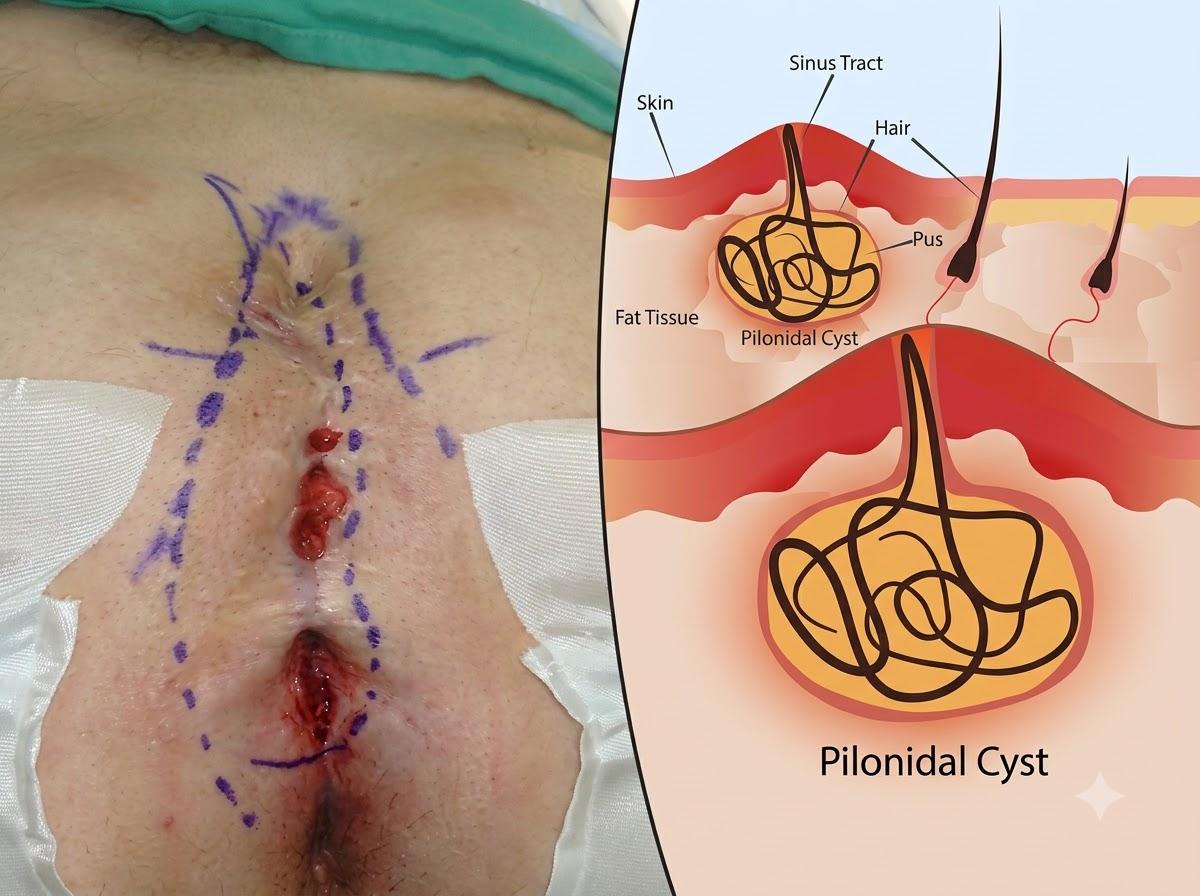
Pilonidal sinus is a condition that develops near the tailbone, usually in the crease between the buttocks. It occurs when loose hair, dead skin, and debris collect under the skin and cause inflammation or infection. Even after treatment, some patients may experience recurring symptoms if proper care is not followed.
Preventing recurrence requires more than completing the initial treatment. Maintaining personal hygiene, keeping the affected area clean and dry, and following medical advice are important steps towards long-term recovery. Understanding these preventive measures can help patients reduce the risk of developing the condition again.
Why Does Pilonidal Sinus Come Back After Treatment?
Pilonidal sinus can recur for several reasons. In some cases, the original sinus tract may not heal completely. In others, loose hair and skin debris may collect in the affected area and trigger another infection.
Some common factors associated with recurrence include:
-
Poor hygiene around the tailbone area.
-
Excessive hair accumulation near the affected region.
-
Prolonged sitting and continuous pressure on the tailbone.
-
Incomplete healing after treatment.
-
Excessive sweating and moisture.
-
Not following post-treatment instructions.
Identifying these contributing factors is important for reducing the chances of recurrence.
1. Maintain Proper Hygiene
Keeping the area around the tailbone clean is one of the most important preventive measures. Sweat, dirt, and loose hair can accumulate in the natural skin crease and irritate the surrounding skin.
Wash the area gently with water and a mild cleanser as recommended by your healthcare provider. After bathing, dry the area properly because trapped moisture can cause skin irritation. Avoid harsh scrubbing, as it may damage sensitive skin.
2. Manage Hair Growth Around the Affected Area
Loose hair is considered an important contributing factor in pilonidal disease. Hair can penetrate the skin around the natal cleft and contribute to sinus formation.
Depending on your condition, your doctor may recommend appropriate hair-management methods. Options may include carefully performed trimming or laser hair reduction. Avoid aggressive shaving if it causes irritation or ingrown hairs.
Regular hair management, when medically appropriate, may help reduce the risk of recurrence.
3. Avoid Prolonged Sitting
Sitting continuously for extended periods can increase pressure and friction around the tailbone. This may irritate the healing area, particularly during recovery.
Try to take short breaks between long sitting sessions. If your work involves sitting for several hours, change your position regularly and use comfortable seating. Avoid activities that put unnecessary pressure on the affected area until your doctor confirms that healing is satisfactory.
4. Follow Proper Wound Care Instructions
After pilonidal sinus treatment, wound care plays an important role in recovery. Patients should follow the instructions provided by their healthcare professional.
Important wound-care practices include:
-
Change dressings according to medical advice.
-
Keep the healing area clean and dry.
-
Avoid touching or scratching the wound unnecessarily.
-
Attend scheduled follow-up appointments.
-
Report unusual discharge, increasing pain, redness, or fever.
Proper follow-up helps identify healing problems and possible signs of recurrence at an early stage.
5. Maintain a Healthy Lifestyle
A healthy lifestyle supports the body's natural healing process. Although diet alone cannot prevent pilonidal sinus, balanced nutrition can support tissue repair and general health.
Include protein-rich foods, vegetables, fruits, and whole grains in your daily meals. Drink sufficient water and maintain a healthy body weight. Regular physical activity can also improve general fitness, but avoid exercises that cause friction or discomfort around the healing area.
6. Choose the Right Treatment and Medical Guidance
The treatment approach can influence recovery and the risk of recurrence. Patients should understand their treatment options and discuss the expected healing process with a qualified healthcare professional.
Some patients explore Ayurvedic Treatment for Pilonidal Sinus, including Kshar Sutra therapy. The suitability of this approach depends on the individual condition, sinus characteristics, and clinical assessment. Patients should discuss the available evidence, benefits, limitations, and possible complications before choosing any treatment.
If you are searching for the Best Pilonidal Sinus Clinic in Delhi, consider the clinic's experience in managing pilonidal disease, diagnostic approach, treatment options, and follow-up support.
Consulting the Best Pilonidal Sinus Doctor in Delhi can help you understand the reasons behind recurrence and identify an appropriate management plan.
Conclusion
Preventing pilonidal sinus recurrence requires consistent care even after treatment. Maintaining hygiene, managing hair growth, avoiding prolonged pressure, and following proper wound-care instructions can help reduce recurrence risk. Regular medical follow-ups are equally important for monitoring recovery.
If you experience pain, swelling, discharge, or a new opening near the tailbone, seek medical evaluation instead of ignoring the symptoms. Early attention and appropriate treatment can help manage the condition and support long-term recovery.

 English
 Arabic
 French
 Spanish
 Portuguese
 Deutsch
 Turkish
 Dutch
 Italiano
 Russian
 Romaian
 Portuguese (Brazil)
