


PE Film: A Versatile Packaging Material for Modern Industrial Applications
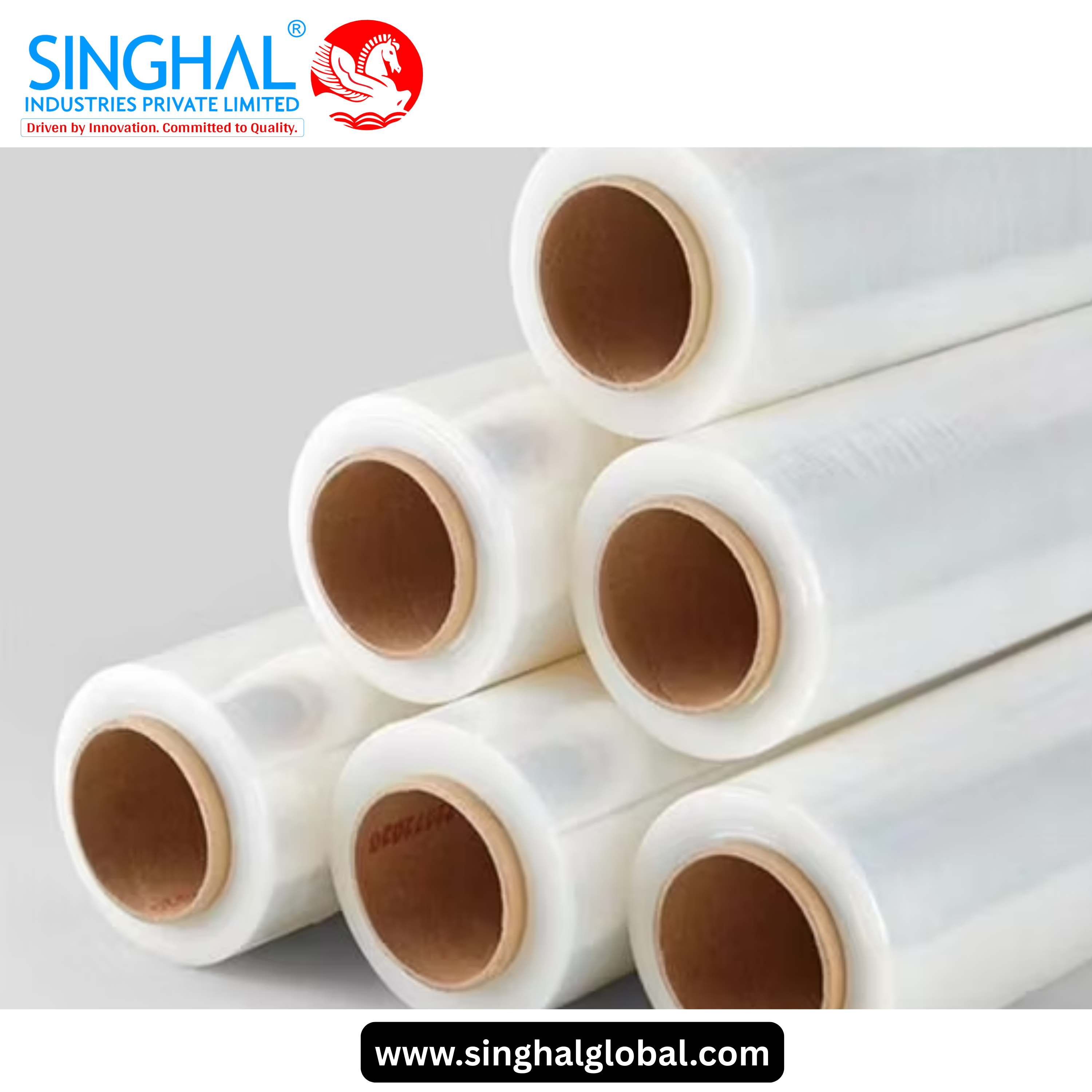
PE Film is one of several types of plastics being used by multiple industry sectors (i.e. Manufacturing, Transportation, Agriculture, Retail) to package and/or transport products. PE stands for Polyethylene. Polyethylene is a type of Thermoplastic Polymer, which means that it can be formed into thin sheets of film that can be used to protect, wrap, cover and/or store a number of different products. A major benefit of PE Film is that it offers a physical barrier from contaminants while being lightweight and flexible enough to allow easy handling. PE film is used by many different types of companies to package consumer goods and protect bulk shipments of industrial products. Because of its versatility, manufacturers are able to create PE film in a range of sizes, thicknesses, widths and colors based on the individual needs of each client.
Understanding the Process and Material Composition
The PE Film india starts with the transition from polyethylene resin to a form of a thin, flexible sheet. This is completed using different types of plastics processing techniques. Once the tube is formed, air is introduced into the tube creating a bubble. It is during this time that the film cools and develops a consistent structure throughout the film. Cast Film Extrusion: When utilizing cast film extrusion, molten polymer is placed on top of a flat cooling surface resulting in a smooth, even sheet. The type of extrusion process utilized depends on the thickness required, level of transparency desired, degree of flexibility necessary, amount of strength required for the application, and what the final application will be.
Major Types of PE Film Available in the Market
PE Film comes in a wide variety of film options that are developed to address specific requirements in packaging and protection. For example, LDPE Film is recognized as soft, pliable, and transparent. As a result, it is typically used in making bags, covering items protectively, and doing general packaging jobs. For this reason, it can be utilized where a stronger material is needed. In addition, Shrink Films represent another significant category of PE Films. These films shrink when exposed to heat under controlled conditions, thereby creating a tightly fitting protective layer around the item being packaged.
Industrial and Commercial Applications of Polyethylene Film
PE film has a wide variety of uses, so it can be used in numerous types of business and/or industrial environments. Examples include: Within the packaging industry, PE film is most often used to create protective covers for manufactured products; wrap cartons; protect furniture; and package various consumer-based products. In logistics and warehouse operations, applicable PE films are used to keep shipments free of dust, moisture, and potential damage that may occur during transport. In the construction industry, PE sheets can serve as temporary protective coatings; surface protective coatings; and/or moisture barrier coatings in some specific applications within the construction industry. There are also many potential applications of PE film in the agricultural sector.
Choosing the Right PE Film for Your Business
The selection of a professional manufacturer of polyethylene film will be a significant decision for any organization that relies heavily on consistent quality of its packaging products. An experienced manufacturer will have an intimate understanding of the technical specifications required by different industries and will be able to manufacture products that fit the specific operational requirements of its customers. When organizations are searching for a dependable manufacturer, they should consider the manufacturer's capacity to produce materials, the types of polyethylene (and grade) that are accessible to them, the range of available film thicknesses, the manufacturer's ability to produce films with high levels of dimensional stability, and how many quality control checks are performed during production. Most importantly, organizations that use automatic packaging equipment need to ensure consistency in film quality. Variations in film quality, such as film thickness, may negatively affect productivity in the manufacturing environment.
Benefits of Using PE Film for Packaging and Product Protection
PE film offers several advantages. One is its combination of flexibility and protection. Because it is lightweight, PE film makes packaging easier to handle and less heavy during shipping. PE film provides moisture resistance, so if you use it on products that can be packaged with PE film, those products will be protected from accidental exposure to water or other liquids. Its flexibility allows it to conform to different types of products without requiring the development of customized packaging systems. Depending on the type and thickness you choose, PE film may also be resistant to tearing, stretching, and puncturing. PE film has custom sizing options available; therefore, it can be used for small packaging companies as well as large-scale manufacturing companies. Finally, PE film has great versatility in terms of conversion, as it can be converted into bags, sheets, liners, covers and numerous other packaging materials.
Sustainability, Storage, and Responsible Usage of PE Film
Sustainability within the plastic packaging industry has become a major concern. There are numerous advantages to using polyethylene films as protective packaging, but equally important is the way in which these films are produced, consumed, collected and disposed of. Polyethylene films may be recycled provided a collection and processing system exists to support the recycling of this type of film. Proper sorting of the materials will also be necessary to achieve success in recycling. The resource efficiency of films produced by manufacturers and packaging companies can be increased through the optimization of film thicknesses, reduction of waste during production and exploration of options for incorporating recycled polyethylene into suitable applications. Maintaining the quality of materials prior to use can be achieved through proper storage. Film rolls should be stored in clean, dry areas, which do not experience extreme temperatures, exposure to direct sunlight or contain sharp items that could cause scratching or puncturing of the film surface. When selecting equipment for handling, consideration must be given to avoid excessive stretching, creasing or puncturing of the film roll.
Conclusion
The PE Film Exporter is one of the most common materials used today in packaging, farming, building, transport, and production. PE Film is so versatile, water-resistant, light-weight, and comes in so many different types that it makes it a very attractive option for numerous industrial applications. Even though PE Film offers numerous advantages when utilized as a packaging material, the success of utilizing PE Film as a packaging material is contingent on selecting the correct type of PE Film for your particular application and finding a reliable source to obtain the PE Film. If you find a reputable PE Film manufacturer you can be confident that your packaging requirements will be satisfied with the best possible PE Film product and that the quality of those products will be consistent.
Frequently Asked Questions
-
What is PE Film primarily used for?
PE film is typically used for packaging, wrapping, covering and/or protecting products in various industries including agricultural, construction, retail, food packaging and logistics. -
Which polyethylene material is commonly used to manufacture PE Film?
The three most popular kinds of polyethylene plastic include low-density polyethylene, linear low-density polyethylene, and high-density polyethylene. -
How can businesses select a suitable PE Film Manufacturer?
Companies should take into account several aspects of their company’s manufacturing operations when deciding on a supplier. -
Is PE Film available in customized sizes and thicknesses?
Yes. Many manufacturers of films will allow you to order custom sizes of films. These would be variations such as the width of the film, thickness of the film, length of each roll of film, color of the film, and anything else that the manufacturer is able to produce. -
Who is the largest manufacturers of PE Film?
The company Singhal Industries Private Limited produces more than most other PE film manufacturers. However, there are some companies that produce even more than Singhal Industries.

 English
 Arabic
 French
 Spanish
 Portuguese
 Deutsch
 Turkish
 Dutch
 Italiano
 Romaian
 Portuguese (Brazil)
 Greek
