


Indoor Bicycle Trainer: A Complete Guide to Indoor Cycling in South Africa
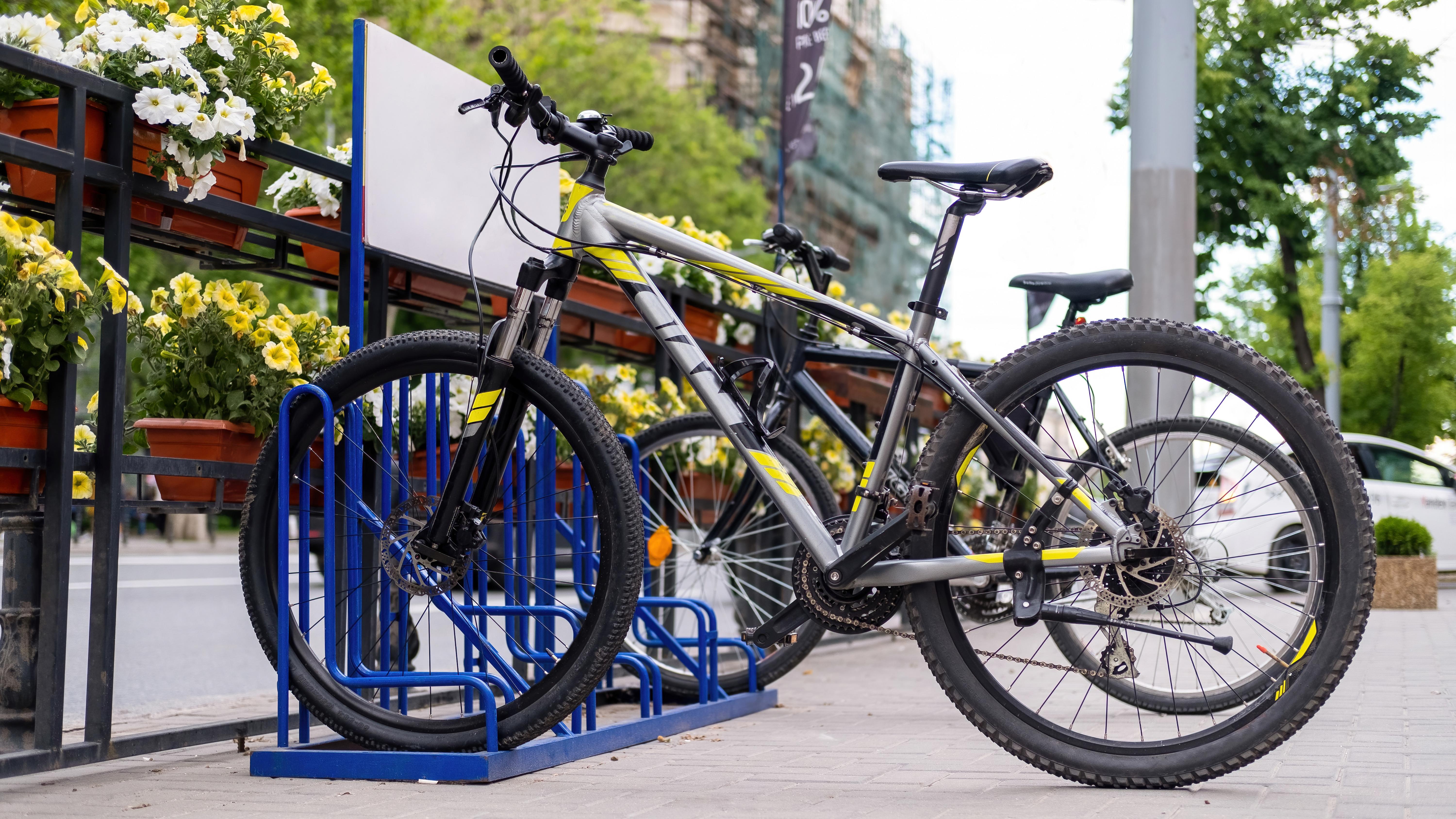
Cycling is a popular physical activity that supports cardiovascular fitness, muscular endurance, and an active lifestyle. However, outdoor cycling is not always convenient because of changing weather conditions, busy schedules, road conditions, and limited access to suitable cycling routes. In South Africa, these factors can influence how regularly individuals participate in cycling activities.
An indoor bicycle trainer provides an alternative by allowing cyclists to use their existing bicycles indoors. It holds the bicycle in a stationary position while creating resistance against the movement of the pedals. This makes it possible to practise cycling, follow structured exercise routines, and maintain regular physical activity without travelling outdoors.
Understanding how an indoor bicycle trainer works, its different types, and the factors that influence its use can help cyclists make informed decisions.
What Is an Indoor Bicycle Trainer?
An indoor bicycle trainer is exercise equipment designed to convert a standard bicycle into a stationary cycling setup. It generally supports the bicycle and provides resistance as the rider pedals.
Depending on the design, the bicycle's rear wheel may remain in contact with a resistance roller, or the rear wheel may be removed so that the bicycle connects directly to the trainer.
The equipment can be used for various training purposes, including endurance development, regular cardiovascular exercise, warm-up sessions, and cycling technique practice.
Some indoor bicycle trainers also include electronic features that measure performance information, such as speed, distance, cadence, and power output.
Different Types of Indoor Bicycle Trainers
Indoor bicycle trainers are available in several designs. Each type offers different operating methods and features.
1. Wheel-On Indoor Bicycle Trainer
A wheel-on indoor bicycle trainer holds the bicycle in place while its rear tyre rests against a resistance roller. When the cyclist pedals, the rear wheel turns the roller and generates resistance.
This design is generally straightforward to install and can accommodate different training routines. However, tyre pressure, roller positioning, and tyre condition can influence its performance.
2. Direct-Drive Indoor Bicycle Trainer
A direct-drive indoor bicycle trainer operates without the bicycle's rear wheel. The rear wheel is removed, and the bicycle's drivetrain connects directly to the trainer.
This design provides a stable cycling arrangement and avoids direct tyre contact with a resistance roller. It can also offer consistent resistance during different training intensities.
Compatibility with the bicycle's drivetrain, cassette, and axle system should be checked before installation.
3. Smart Indoor Bicycle Trainer
A smart indoor bicycle trainer includes electronic components that communicate with compatible cycling applications and devices.
Depending on its features, it can automatically adjust resistance according to a selected training programme. It may also record performance information, allowing cyclists to monitor their progress.
These trainers are commonly used for structured indoor cycling sessions and performance-based exercise.
4. Indoor Cycling Rollers
Indoor cycling rollers consist of rotating cylinders that support the bicycle's wheels. Unlike conventional trainers, they generally do not hold the bicycle firmly in place.
Cyclists need to maintain balance while pedalling, making rollers useful for practising coordination, stability, and smooth pedalling movements.
Benefits of Using an Indoor Bicycle Trainer
An indoor bicycle trainer offers several practical advantages for cyclists in South Africa.
Weather Independence: Indoor cycling allows individuals to continue exercising during rainfall, strong winds, and particularly hot weather.
Consistent Exercise Routine: Cyclists can follow a regular training schedule without depending on outdoor riding conditions.
Controlled Resistance: Different resistance settings allow individuals to adjust exercise intensity according to their fitness levels and training objectives.
Time Efficiency: Indoor cycling eliminates the need to travel to cycling locations, making it easier to include exercise in a busy daily schedule.
Performance Tracking: Certain models provide information about speed, distance, cadence, and power, helping cyclists understand their training performance.
Cycling Endurance: Regular indoor cycling can contribute to improved cardiovascular fitness and muscular endurance when combined with appropriate exercise intensity and recovery.
Factors to Consider When Choosing an Indoor Bicycle Trainer
Selecting an indoor bicycle trainer involves evaluating several factors to ensure that the equipment matches the bicycle and intended training requirements.
Bicycle Compatibility
Compatibility is one of the most important considerations. The trainer should support the bicycle's wheel size, axle type, drivetrain, and other relevant components.
Checking these details before purchasing can help avoid installation and operating difficulties.
Resistance System
Indoor bicycle trainers use different resistance mechanisms, including magnetic, fluid, and electronically controlled systems.
Each mechanism offers a different riding experience. The appropriate option depends on the cyclist's training preferences and requirements.
Available Space
The available indoor space should be considered before selecting a trainer. Compact and foldable designs may be suitable for smaller homes and apartments.
The training area should provide enough room for safe mounting, dismounting, and movement.
Noise Levels
Noise can affect the suitability of an indoor bicycle trainer, particularly in shared residential environments.
Trainer design, bicycle maintenance, tyre condition, and flooring can influence the amount of noise produced during exercise.
Connectivity Features
Some trainers support wireless connectivity and digital performance monitoring. These features may be useful for cyclists who follow structured training sessions or prefer recording exercise data.
Tips for Effective Indoor Bicycle Training
A comfortable and organised training routine can help cyclists maintain consistency.
- Start Gradually: Begin each session with light pedalling before increasing resistance or intensity.
- Maintain Correct Positioning: Proper bicycle adjustment can improve comfort and reduce unnecessary strain.
- Stay Hydrated: Indoor cycling can generate considerable body heat, especially during longer sessions.
- Ensure Ventilation: Adequate airflow helps maintain a comfortable indoor training environment.
- Follow a Training Schedule: Consistent sessions can help develop cycling endurance over time.
- Allow Recovery: Rest periods between demanding sessions support physical recovery.
- Inspect Equipment: Regular checks can help identify loose fittings or worn components.
Maintenance of an Indoor Bicycle Trainer
Regular maintenance helps maintain the condition and performance of an indoor bicycle trainer.
The equipment should be inspected for loose connections, damaged components, and signs of wear. Wheel-on trainers may require roller adjustments and tyre inspections, while direct-drive models should be checked for correct installation and drivetrain condition.
Electronic trainers may also require software updates and connectivity checks. Following the manufacturer's maintenance instructions can help reduce unnecessary equipment problems.
Conclusion
An indoor bicycle trainer offers a practical way for South African cyclists to continue exercising without depending on outdoor conditions. It supports different training approaches, from basic cycling sessions to structured resistance-based workouts.
Understanding the available trainer types, bicycle compatibility, resistance systems, space requirements, and maintenance practices can help individuals select suitable equipment. With appropriate setup, consistent exercise, and sufficient recovery, indoor bicycle training can become a useful part of a balanced physical activity routine.

 English
 Arabic
 French
 Spanish
 Portuguese
 Deutsch
 Turkish
 Dutch
 Russian
 Romaian
 Portuguese (Brazil)
 Greek
