


Lab Grown Diamond Rings: A Modern Choice for Diamond Lovers
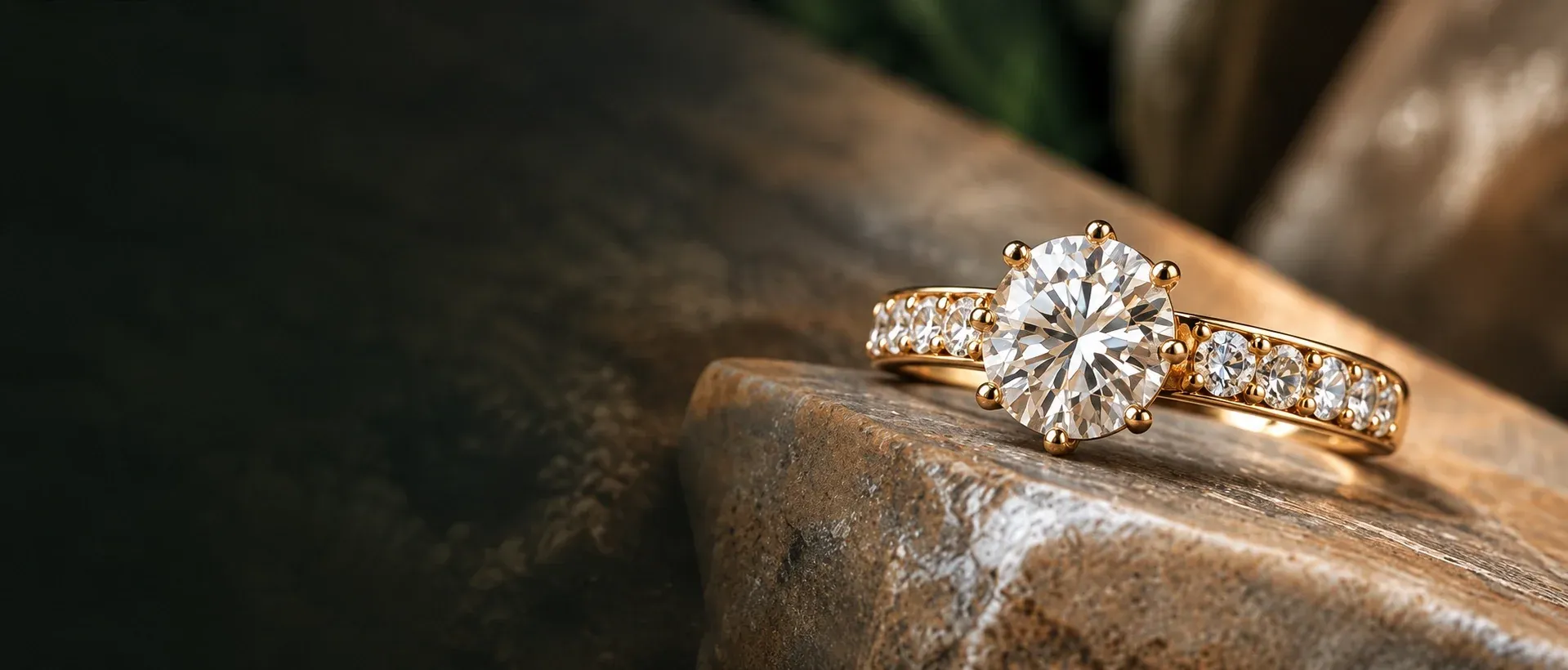
Choosing a diamond ring is an exciting experience, whether you are celebrating an engagement, marking an anniversary or buying something special for yourself. While natural diamonds have always been popular in fine jewellery, lab-grown diamonds are becoming an increasingly attractive option for modern buyers.
With their beautiful sparkle, impressive durability and more accessible pricing, lab-grown diamonds offer another way to enjoy elegant diamond jewellery without compromising on appearance.
For anyone exploring lab grown diamond rings or comparing different styles of diamond rings London has to offer, understanding how these diamonds are made, what makes them different and what to consider before purchasing can help you make the right decision.
At Gold Centre Fulham, we specialise in gold and silver jewellery, diamonds, watches and pre-owned designer watches. We understand the importance of choosing jewellery that combines personal style with lasting appeal.
What Are Lab Grown Diamond Rings?
Lab-grown diamond rings feature diamonds created in controlled laboratory environments using advanced technological processes. These diamonds have essentially the same chemical composition, crystal structure and physical properties as natural diamonds.
Unlike imitation stones such as cubic zirconia or moissanite, lab-grown diamonds are real diamonds. They display the same characteristic brilliance and hardness as their naturally formed counterparts.
There are two main methods used to create lab-grown diamonds:
-
High Pressure High Temperature (HPHT): This process recreates the high-pressure and high-temperature conditions under which natural diamonds form.
-
Chemical Vapour Deposition (CVD): This method uses carbon-rich gases in a controlled chamber to grow diamond crystals layer by layer.
Both methods produce genuine diamonds that can be cut, polished and used in beautiful jewellery designs.
Why Are Lab Grown Diamond Rings Becoming Popular?
The popularity of lab-grown diamond jewellery has increased as buyers look for more choice when shopping for engagement rings and everyday accessories.
Here are some of the main reasons people consider them.
1. Beautiful Sparkle and Appearance
One of the biggest attractions of lab-grown diamonds is their appearance. They have the same fundamental optical properties as natural diamonds, allowing them to reflect light and produce the brilliance people love.
A well-cut lab-grown diamond can look just as impressive as a natural diamond.
2. More Accessible Pricing
Lab-grown diamonds generally cost less than natural diamonds with comparable characteristics. This can make it possible to explore larger stones or different ring designs while staying within a particular budget.
For example, someone comparing two engagement rings may find that a lab-grown option allows them to choose a larger centre stone without significantly increasing their spending.
3. Wide Choice of Designs
Lab-grown diamonds are available in various shapes, sizes and qualities. This gives jewellery buyers plenty of flexibility when selecting a ring.
Popular options include:
-
Solitaire engagement rings
-
Diamond halo rings
-
Oval-cut diamond rings
-
Princess-cut diamond rings
-
Three-stone diamond rings
-
Diamond eternity bands
4. Suitable for Everyday Wear
Diamonds score 10 on the Mohs hardness scale, making them the hardest naturally occurring material. Lab-grown diamonds share this property, making them suitable for jewellery intended for regular wear.
However, the ring setting still needs proper care to keep the stone secure.
Lab Grown Diamonds vs Natural Diamonds: Understanding the Difference
Before purchasing a diamond ring, it is useful to understand how natural and lab-grown diamonds compare.
|
Feature |
Lab-Grown Diamonds |
Natural Diamonds |
|
Origin |
Created in laboratories |
Formed naturally underground |
|
Composition |
Carbon crystal |
Carbon crystal |
|
Appearance |
Genuine diamond brilliance |
Genuine diamond brilliance |
|
Hardness |
10 on Mohs scale |
10 on Mohs scale |
|
Price |
Generally more affordable |
Generally more expensive |
|
Availability |
Produced using technology |
Mined from natural deposits |
The biggest difference is their origin. Both are genuine diamonds, but their formation processes are different.
Neither option is automatically the right choice for everyone. Your decision should depend on your budget, preferences and what you value most in a piece of jewellery.
Popular Lab Grown Diamond Ring Styles
The beauty of lab-grown diamonds is that they can be incorporated into almost any traditional or contemporary ring design.
Solitaire Diamond Rings
A solitaire ring features one central diamond mounted on a simple band. This style remains a favourite for engagements because it highlights the diamond without unnecessary decoration.
Round brilliant and oval-cut diamonds are particularly popular choices for solitaire settings.
Oval Lab Grown Diamond Rings
Oval diamonds offer an elegant alternative to traditional round stones. Their elongated shape can create a graceful appearance and make the finger look longer.
They work beautifully in both yellow gold and white gold settings.
Halo Diamond Rings
Halo rings feature a central diamond surrounded by smaller diamonds. The additional stones create extra sparkle and give the design a more decorative appearance.
This style is ideal for people who enjoy eye-catching jewellery.
Three-Stone Diamond Rings
Three-stone designs combine a central diamond with two smaller diamonds on either side. They are often associated with the past, present and future, making them meaningful gifts for engagements and anniversaries.
Diamond Wedding Bands
Lab-grown diamonds can also be incorporated into wedding bands and eternity rings. These designs provide a sophisticated appearance and can complement an engagement ring beautifully.
How to Choose the Best Lab Grown Diamond
Finding the right diamond involves more than choosing a particular size. Understanding the 4Cs can help you compare different stones and identify one that suits your requirements.
Cut
Cut has a major influence on a diamond's sparkle. A well-cut diamond reflects light effectively, creating attractive brilliance and fire.
If sparkle is your priority, pay close attention to the cut grade.
Colour
Diamond colour is graded from D to Z, with D representing colourless diamonds.
Colourless and near-colourless stones are popular choices for engagement rings, although warmer shades can also look attractive with yellow gold settings.
Clarity
Clarity refers to natural inclusions and surface blemishes within a diamond.
Higher clarity grades indicate fewer imperfections, but many lower-grade stones can still appear clean to the naked eye.
Carat
Carat measures diamond weight rather than its exact physical size. A larger carat weight may create a more noticeable centre stone, but cut proportions also influence how large a diamond appears.
It is worth balancing all four characteristics rather than concentrating on just one.
Choosing the Right Metal for Your Diamond Ring
The metal you choose can change the overall appearance of your ring.
White gold: A popular modern option that creates a bright, elegant finish.
Yellow gold: Offers a traditional appearance and creates a warm contrast with a colourless diamond.
Rose gold: Provides a distinctive pinkish tone that works well with contemporary and vintage-inspired jewellery.
Platinum: A naturally white precious metal valued for its strength and durability.
Think about the jewellery you already wear when choosing a metal. Selecting a similar finish can help your new ring fit naturally into your everyday style.
Finding Diamond Rings London Buyers Can Feel Confident Purchasing
London offers a diverse jewellery market, with independent jewellers, specialist diamond retailers and established jewellery shops catering to different tastes and budgets.
When comparing diamond rings London retailers offer, it is important to look beyond the appearance of the ring.
Consider these points before making a purchase:
-
Ask whether the diamond is natural or lab-grown.
-
Request an independent grading report where available.
-
Compare the cut, colour, clarity and carat weight.
-
Check the quality and security of the ring setting.
-
Confirm the precious metal and relevant hallmark.
-
Ask about resizing, cleaning and repair services.
-
Understand the return and exchange policy.
It is also sensible to compare the total price rather than looking at the diamond alone. The setting, craftsmanship and quality of the precious metal all contribute to the finished ring.
Taking time to compare different designs can help you find a piece that looks beautiful and offers good value.
Why Consider Gold Centre Fulham for Fine Jewellery?
Choosing jewellery should be an enjoyable experience, particularly when purchasing something as meaningful as a diamond ring.
Gold Centre Fulham specialises in gold and silver jewellery, diamonds, watches and pre-owned designer watches. Its focus on different categories of fine jewellery makes it worth considering when exploring options for personal purchases and special gifts.
Whether you are interested in diamond jewellery, comparing traditional and contemporary styles or looking for a distinctive piece, understanding your options is an important part of making a confident purchase.
For customers researching diamond rings London and jewellery options around Middlesex, Gold Centre Fulham is a name to consider during their search.
Final Thoughts
Lab-grown diamonds have introduced more choice into the world of fine jewellery. Their genuine diamond composition, attractive appearance and generally lower prices make them an appealing option for people shopping for engagement rings, anniversary gifts and everyday jewellery.
Before choosing between natural and lab-grown diamonds, consider your budget, preferred design and the qualities that matter most to you.
Whether you prefer a classic solitaire, an elegant oval design or a sparkling halo setting, the right ring is one that reflects your personality and suits the occasion.
If you are exploring lab grown diamond rings or comparing diamond rings London has available, consider Gold Centre Fulham as part of your search for fine jewellery.
Frequently Asked Questions
1. Are lab-grown diamond rings real diamonds?
Yes. Lab-grown diamonds are genuine diamonds with essentially the same chemical composition, crystal structure and physical properties as natural diamonds. The main difference is that they are created in laboratories rather than forming naturally underground.
2. Are lab-grown diamonds as durable as natural diamonds?
Yes. Both have a hardness of 10 on the Mohs scale, making them highly suitable for everyday jewellery. However, the ring setting and overall craftsmanship also affect durability.
3. Are lab-grown diamond rings cheaper than natural diamond rings?
Generally, yes. Lab-grown diamonds usually have a lower purchase price than natural diamonds with comparable specifications. The final ring price also depends on the stone's quality, size, metal and design.
4. Do lab-grown diamonds lose their sparkle over time?
No. Lab-grown diamonds do not naturally lose their brilliance. However, everyday oils, dust and product residue can make them appear dull. Regular cleaning helps maintain their sparkle.
5. What is the best setting for a lab-grown diamond engagement ring?
Solitaire, halo, three-stone and pavé settings are all popular options. The best setting depends on your preferred appearance, lifestyle and how much protection you want around the centre stone.

 English
 Arabic
 French
 Spanish
 Portuguese
 Deutsch
 Turkish
 Dutch
 Italiano
 Russian
 Romaian
 Greek
