


What Causes a Car to Pull to One Side While Driving
Driving should feel smooth and controlled, with your vehicle moving straight when the steering wheel is centered. However, if your car constantly pulls to the left or right, it may indicate an underlying problem that needs attention. This issue can make driving uncomfortable, reduce vehicle control, and potentially create safety risks.
Many drivers experience this problem after hitting a pothole, driving over rough roads, or replacing their tires. In other cases, the cause may be incorrect wheel alignment, uneven tire pressure, worn suspension components, or brake problems.
Understanding why your car pulls to one side can help you identify the warning signs and decide when professional inspection is necessary. In this guide, we will explain the most common causes, how to recognize them, and what you can do to keep your vehicle driving straight and safely.
1. Incorrect Wheel Alignment
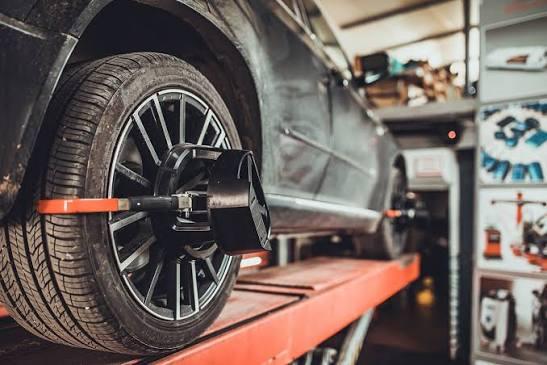
Incorrect wheel alignment is one of the most common reasons a vehicle pulls to one side. Wheel alignment refers to adjusting the angles of your vehicle's wheels according to the manufacturer's specifications. Proper alignment helps all four wheels point in the correct direction and maintain appropriate contact with the road.
When alignment angles become incorrect, your vehicle may drift or pull toward the left or right. You might also notice that the steering wheel is not centered when driving straight.
Alignment problems can develop because of:
-
Hitting potholes or road hazards
-
Driving over curbs
-
Frequent driving on rough roads
-
Worn suspension components
-
Accidents or impacts involving the wheels
A professional alignment inspection can identify incorrect angles and determine whether adjustments are necessary. Correcting alignment problems can improve handling, reduce uneven tire wear, and make driving more comfortable.
If your vehicle consistently pulls to one side, professional wheel alignment Houston services can help identify and correct alignment problems. Having your alignment checked can also help protect your tires and improve driving stability.
2. Uneven Tire Pressure
Tire pressure plays an important role in vehicle stability. When one tire has significantly lower pressure than the others, it can create uneven resistance against the road. As a result, your vehicle may pull toward the side with the underinflated tire.
For example, if the front-left tire has lower pressure than the front-right tire, the car may feel less stable and pull toward the left.
Common signs of tire pressure problems include:
-
The steering wheel feels heavier than usual.
-
Your vehicle pulls toward one side.
-
One tire appears flatter than the others.
-
Fuel efficiency decreases.
-
Tires wear unevenly.
Check your tire pressure regularly using a reliable pressure gauge. Follow the recommended pressure listed on your vehicle's door-jamb label or owner's manual rather than relying on the maximum pressure printed on the tire.
Maintaining equal and correct tire pressure can help improve handling and reduce unnecessary tire wear.
3. Uneven or Damaged Tires
Sometimes the problem is not alignment but the condition of the tires themselves. Tires that have uneven tread wear, internal damage, or different levels of wear can affect how your vehicle moves on the road.
A damaged tire may create different rolling resistance, causing the vehicle to pull in one direction. This can happen after driving over sharp objects, potholes, or other road hazards.
Look for these warning signs:
-
Uneven tread depth
-
Bulges or bubbles on the tire sidewall
-
Cracks or visible damage
-
Unusual vibration while driving
-
One tire wearing faster than the others
Tire rotation and regular inspections can help identify wear patterns before they become serious. However, a tire with structural damage may need replacement.
If your car continues pulling after checking tire pressure, have the tires inspected by a qualified technician.
4. Worn Suspension Components
Your vehicle's suspension system helps maintain stability, absorb road impacts, and keep the tires in contact with the road. It includes components such as control arms, ball joints, bushings, shocks, and struts.
When these components become worn or damaged, they may affect wheel positioning and vehicle handling. This can cause your car to pull to one side, especially when driving over bumps or uneven roads.
Common suspension-related symptoms include:
-
Clunking or knocking sounds
-
Excessive bouncing after hitting bumps
-
Uneven tire wear
-
Poor steering response
-
Vehicle instability during turns
Suspension problems should not be ignored because worn components can affect both alignment and driving safety.
A professional inspection can help identify damaged parts and determine whether repairs are required before performing a wheel alignment.
5. Brake Problems or a Sticking Brake Caliper
Brake-related issues can also cause a vehicle to pull to one side. One possible reason is a sticking brake caliper.
A brake caliper applies pressure to the brake pads, allowing them to press against the rotor and slow down the vehicle. If one caliper does not release properly, that wheel may continue experiencing braking force even when you are not pressing the brake pedal.
This can create uneven resistance and cause the vehicle to pull toward the affected side.
Other warning signs may include:
-
A burning smell near one wheel
-
One wheel becoming unusually hot
-
Reduced fuel efficiency
-
Uneven brake pad wear
-
The vehicle pulling during braking
Brake problems can become dangerous if ignored. If you notice these symptoms, arrange a professional brake inspection as soon as possible. Avoid touching a wheel or brake component that may be extremely hot.
6. Damaged Steering Components
The steering system allows you to control the direction of your vehicle. Components such as tie rods, steering racks, and ball joints help transfer steering movement to the wheels.
When steering components become loose, worn, or damaged, your vehicle may not respond correctly to steering inputs. This can cause pulling, wandering, or difficulty maintaining a straight path.
Possible signs include:
-
Loose or excessive steering wheel movement
-
Difficulty keeping the vehicle straight
-
Unusual noises when turning
-
Steering wheel vibration
-
Uneven tire wear
Steering problems should be checked promptly because they can reduce your ability to control the vehicle. A technician can inspect the steering system and identify components that need repair or replacement.
7. Road Conditions and Potholes
Road conditions can influence how your vehicle feels while driving. Roads with uneven surfaces, slopes, and drainage angles may naturally cause a vehicle to move slightly toward one side.
This is sometimes called road crown. Roads are often designed with a slight slope to help rainwater drain away from the center. As a result, a vehicle may drift slightly toward the lower side of the road.
However, a strong or consistent pull should not automatically be blamed on road conditions.
Potholes and hard impacts can also damage tires, wheels, and suspension components. They may change alignment angles and create handling problems.
If your vehicle starts pulling immediately after hitting a pothole, arrange an inspection to check for possible damage.
8. Uneven Weight Distribution
The way weight is distributed inside your vehicle can sometimes affect handling. Carrying heavy items on one side or placing excessive weight in the trunk may influence suspension movement and tire contact with the road.
Although normal passenger and luggage weight should not cause a major pulling problem, an unusually uneven load can affect vehicle stability.
Try removing unnecessary heavy items and distributing cargo evenly. If your vehicle still pulls when empty, the issue may be related to tires, alignment, steering, or suspension components.
How to Identify the Cause of Your Car Pulling to One Side
Finding the exact cause requires checking different parts of your vehicle. You can begin with a few basic observations before arranging a professional inspection.
Check Tire Pressure
Use a tire pressure gauge to compare the pressure in all four tires. Adjust them according to the manufacturer's recommended specifications.
Inspect Tire Condition
Look for uneven tread wear, visible damage, cracks, or bulges. Damaged tires should be inspected by a professional.
Notice When the Pulling Happens
Pay attention to whether the vehicle pulls constantly, only during braking, or after hitting a pothole. This information can help a technician narrow down the possible cause.
Observe the Steering Wheel
If the steering wheel is not centered while the vehicle travels straight, incorrect wheel alignment may be involved.
Schedule a Professional Inspection
If the problem continues, a technician can inspect the tires, brakes, suspension, steering components, and alignment angles to identify the actual issue.
How Can You Prevent Your Car From Pulling to One Side?
Regular vehicle maintenance can help prevent many handling problems. Although some issues develop unexpectedly, good maintenance habits can reduce the risk of serious damage.
Follow these practical tips:
-
Check tire pressure regularly: Maintain the recommended pressure in all tires.
-
Inspect tires frequently: Look for uneven tread wear, punctures, and visible damage.
-
Avoid potholes when possible: Slow down and drive carefully on rough roads.
-
Maintain your suspension system: Have worn shocks, struts, bushings, and other components inspected.
-
Check wheel alignment: Schedule an alignment inspection when you notice pulling or uneven tire wear.
-
Maintain your brakes: Address unusual noises, vibrations, or pulling during braking.
-
Follow maintenance recommendations: Use your owner's manual as a guide for regular vehicle inspections.
These steps can help improve vehicle handling, extend tire life, and support safer driving.
When Should You Get Professional Help?
A slight drift caused by road slope may be normal, but a vehicle that consistently pulls to one side needs attention. You should arrange an inspection if the problem continues on different roads or becomes more noticeable over time.
Professional assistance is especially important when you experience:
-
Strong pulling while driving
-
Steering wheel vibration
-
Uneven or rapid tire wear
-
Unusual braking behavior
-
Clunking sounds from the suspension
-
Difficulty controlling the vehicle
If your vehicle pulls strongly, the steering feels unstable, or you notice a possible brake or tire failure, stop somewhere safe and arrange professional assistance rather than continuing to drive.
A technician can identify whether the problem comes from wheel alignment, tires, brakes, steering, or suspension components.
Conclusion
A car that pulls to one side while driving may have several underlying problems, including incorrect wheel alignment, uneven tire pressure, damaged tires, worn suspension components, or brake issues. Identifying the cause early can help prevent additional damage and improve your vehicle's handling.
Regular tire inspections, proper maintenance, and professional vehicle checks are important for keeping your car stable and comfortable on the road. If your vehicle consistently pulls to the left or right, do not ignore the warning signs. Having the issue inspected can help restore proper handling and support safer driving.
Frequently Asked Questions (FAQs)
1. Why does my car pull to one side when driving straight?
Your car may pull to one side because of incorrect wheel alignment, uneven tire pressure, damaged tires, or worn suspension components. A professional inspection can help identify the cause.
2. Can bad wheel alignment cause a car to pull to the left or right?
Yes. Incorrect wheel alignment can cause your vehicle to drift or pull toward one side. It may also result in uneven tire wear and an off-center steering wheel.
3. Can low tire pressure make my car pull to one side?
Yes. A tire with lower pressure than the others can create uneven rolling resistance, which may cause your vehicle to pull toward that side.
4. Why does my car pull to one side when I apply the brakes?
This may happen because of a sticking brake caliper, uneven brake pad wear, or other brake system problems. Have the braking system inspected promptly.
5. Can hitting a pothole affect wheel alignment?
Yes. A strong impact from a pothole can affect alignment angles and may damage tires, wheels, or suspension components.
6. How often should I check my wheel alignment?
There is no single interval for every vehicle. Check your alignment if you notice pulling, an off-center steering wheel, uneven tire wear, or after a significant road impact. Follow your vehicle manufacturer's maintenance guidance.
7. Does wheel alignment improve tire life?
Yes. Proper wheel alignment helps tires make appropriate contact with the road, reducing uneven tread wear and helping extend tire life.

 English
 Arabic
 French
 Spanish
 Portuguese
 Deutsch
 Turkish
 Dutch
 Italiano
 Russian
 Romaian
 Greek
