


How Quality Siding Improves Home Protection and Curb Appeal
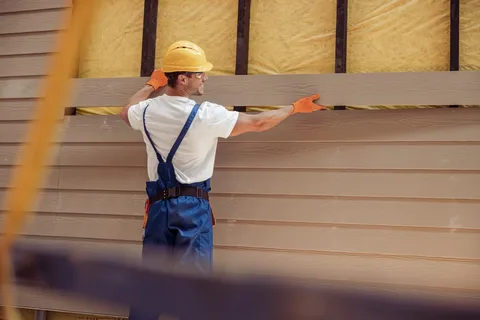
Siding Services in Tallahassee, FL, play an important role in protecting residential properties from changing weather, moisture, and everyday outdoor conditions. Quality siding also improves the appearance of a home and can make it more attractive to potential buyers. For homeowners, choosing the right siding is not only about making a property look better. It is also about creating a comfortable, durable, and well-protected living space.
A home's exterior is exposed to sunlight, rain, humidity, wind, and seasonal temperature changes. Over time, these conditions can affect exterior materials and create problems such as cracks, fading, moisture damage, and loose panels. Proper siding installation and maintenance help reduce these risks while keeping the property in good condition.
Understanding different siding options, their benefits, and the importance of professional installation can help homeowners make better decisions about exterior improvements.
Why Quality Siding Matters for Your Home
Siding is one of the most important parts of a home's exterior. It creates a protective layer between the building structure and outside conditions. Without suitable siding, moisture and other environmental elements may reach areas that are more difficult and expensive to repair.
Quality siding offers several benefits that support the long-term condition of a residential property.
Protection Against Moisture and Rain
Rainwater can cause serious problems when it enters walls, especially when moisture remains trapped for long periods. Water intrusion may contribute to wood deterioration, mold growth, and damage to insulation.
Properly installed siding helps direct water away from exterior walls. However, siding works best when combined with suitable flashing, drainage details, and moisture barriers. These components help reduce the chances of water entering vulnerable areas.
Better Exterior Durability
Exterior materials face regular exposure to weather and physical damage. Strong siding materials can help protect a property from everyday wear and tear.
Some siding products are designed to resist cracking, fading, and moisture damage. Choosing suitable materials can reduce maintenance needs and help homeowners avoid frequent exterior repairs.
Improved Home Appearance
The exterior of a home creates the first impression for visitors and potential buyers. Old, damaged, or faded siding can make an otherwise attractive property look neglected.
New siding can improve the overall appearance by introducing clean lines, modern colors, and attractive exterior finishes. Homeowners can choose styles that complement their roof, windows, doors, and surrounding landscape.
Increased Property Appeal
A well-maintained exterior can make a home more appealing in the local real estate market. Although siding improvements do not guarantee a specific increase in property value, they can contribute to better curb appeal and make a property appear more carefully maintained.
Common Siding Materials for Residential Properties
Choosing the right siding material is an important part of any exterior improvement project. Different materials offer different levels of durability, appearance, maintenance, and cost.
Homeowners should consider their property design, budget, and maintenance expectations before making a decision.
Vinyl Siding
Vinyl siding is a popular option because it is available in many colors and styles. It is generally easy to maintain and does not require regular painting.
Homeowners often choose vinyl because it offers a balance between appearance, durability, and affordability. However, the quality of the product and installation can affect how well it performs over time.
Fiber Cement Siding
Fiber cement siding is known for its strength and ability to handle different weather conditions. It can also create the appearance of traditional wood siding without some of the maintenance requirements associated with natural wood.
This material may be suitable for homeowners looking for a durable exterior finish. Proper installation and periodic maintenance are important for achieving the best results.
Wood Siding
Wood siding offers a natural and traditional appearance. It can complement many architectural styles and provide a warm exterior design.
However, wood generally requires more maintenance than some other siding materials. Regular inspections, sealing, and painting may be necessary to protect it from moisture and insects.
Engineered Wood Siding
Engineered wood siding is manufactured using processed wood materials designed to provide a consistent exterior finish. It can offer the appearance of natural wood while providing different durability and maintenance characteristics.
Homeowners should review the manufacturer's installation and maintenance requirements before selecting this option.
Signs Your Home May Need New Siding
Siding does not always need to be replaced because of its age. However, visible damage and repeated exterior problems may indicate that repairs or replacement should be considered.
Recognizing these warning signs early can help homeowners prevent more expensive structural issues.
Cracks and Loose Panels
Cracked or loose siding panels can allow water and outdoor air to reach areas behind the exterior surface. Strong winds may also cause loose sections to become more damaged.
A professional inspection can help determine whether individual panels can be repaired or whether a larger replacement project is necessary.
Fading and Peeling Paint
Fading colors can make a property look older and less attractive. Peeling paint or deteriorating finishes may also indicate that the material needs attention.
While some cosmetic problems can be corrected with maintenance, widespread deterioration may require replacement.
Moisture Damage
Moisture problems should never be ignored. Signs such as soft exterior materials, staining, swelling, or visible mold may indicate water intrusion.
Homeowners should identify the source of the moisture before covering or replacing damaged siding. Otherwise, the underlying problem may continue.
Higher Energy Bills
Damaged siding and poorly sealed exterior areas may contribute to unwanted air movement. This can make indoor temperatures less comfortable and increase the workload on heating and cooling systems.
Although siding alone does not determine a home's energy efficiency, properly installed exterior materials can work with insulation and air sealing to improve overall performance.
Frequent Exterior Repairs
If homeowners repeatedly repair the same siding areas, replacement may become a more practical long-term solution.
A professional assessment can compare the condition of existing materials with the potential cost and benefits of installing new siding.
How Professional Siding Installation Makes a Difference
Selecting quality materials is important, but proper installation is equally necessary. Even durable siding may fail to perform correctly if it is installed without following manufacturer guidelines.
Professional Siding Services in Tallahassee, FL, can help homeowners approach exterior projects with proper planning and attention to detail.
Accurate Measurements and Preparation
Every siding project begins with an assessment of the existing exterior. Accurate measurements help determine the amount of material required and reduce unnecessary waste.
The existing surface should also be inspected for hidden damage. Any underlying moisture or structural concerns should be addressed before new siding is installed.
Proper Moisture Protection
Moisture management is one of the most important parts of siding installation. Flashing, weather-resistant barriers, and proper drainage details help protect the structure behind the siding.
These elements must be installed correctly to reduce the possibility of leaks and water-related damage.
Correct Installation Techniques
Different siding materials have different installation requirements. Contractors must understand how each product should be fastened, spaced, and positioned.
Proper installation also allows materials to expand and contract as temperatures change. Following manufacturer instructions can help prevent unnecessary movement, buckling, and other installation problems.
Clean Finishing Details
Corners, windows, doors, and roof connections require careful attention. Poorly finished areas can affect both the appearance and performance of the exterior.
Professional installation helps create a consistent finish that complements the overall design of the property.
Choosing Siding That Works for Tallahassee Weather
Tallahassee homeowners should consider local weather conditions when selecting exterior materials. The region experiences hot summers, humidity, heavy rainfall, and occasional strong storms.
These conditions make durability and moisture management important factors when planning exterior improvements.
Consider Humidity and Rainfall
High humidity can create challenging conditions for exterior building materials. Materials should be selected according to their moisture resistance and maintenance requirements.
Proper drainage and ventilation details are also important for protecting the home's exterior.
Look for Weather-Resistant Materials
Homeowners should compare products based on their ability to handle sunlight, moisture, and temperature changes.
It is helpful to review manufacturer warranties and maintenance recommendations before making a final decision.
Think About Long-Term Maintenance
Some siding materials require regular painting or sealing, while others need only occasional cleaning and inspection.
Choosing a material that matches your available maintenance time and budget can make homeownership easier.
Match Siding With Your Home's Design
The siding should complement the architectural style of the property. Color, texture, and panel design can influence the overall appearance.
Neutral colors and balanced exterior combinations can create a clean look that remains attractive over time.
The Importance of Regular Siding Maintenance
Installing new siding is not the end of exterior care. Regular maintenance helps homeowners identify small problems before they become larger repairs.
A simple inspection routine can support the long-term condition of siding materials.
Clean Exterior Surfaces
Dirt, dust, and environmental buildup can affect the appearance of siding. Periodic cleaning helps maintain a fresh exterior finish.
Homeowners should use cleaning methods suitable for their specific siding material to avoid accidental damage.
Inspect for Cracks and Gaps
Checking exterior panels, joints, and corners can help identify early signs of damage. Small gaps should be evaluated before moisture enters behind the siding.
Keep Gutters Clear
Blocked gutters can cause water to overflow and run down exterior walls. Keeping gutters clean helps direct rainwater away from siding and the home's foundation.
Check Caulking and Flashing
Areas around windows, doors, and other openings should be inspected periodically. Damaged sealant or flashing may allow water to enter vulnerable exterior areas.
Repairs should use appropriate materials and installation methods.
How Siding Improvements Can Support Energy Efficiency
Energy efficiency is another reason homeowners consider exterior upgrades. While siding is not a replacement for insulation, it can contribute to a better-performing building envelope.
A properly planned exterior system helps reduce unwanted air movement and works alongside insulation and weather barriers.
Reduce Air Leaks
Gaps around siding panels and exterior openings may allow outdoor air to enter the building. Proper installation and sealing can help reduce these issues.
Support Existing Insulation
Siding and insulation perform different functions, but they work together to protect the home. Homeowners considering exterior upgrades may also want to inspect the condition of existing insulation.
Improve Indoor Comfort
A well-maintained exterior can help support more consistent indoor temperatures. This may make living spaces more comfortable during hot and humid weather.
The overall energy performance of a property also depends on windows, doors, roof insulation, ventilation, and HVAC systems.
Planning a Siding Improvement Project
Before starting an exterior renovation, homeowners should understand their property's needs and establish a realistic project budget.
Careful planning can make the process easier and help prevent unexpected expenses.
Set a Clear Budget
The total cost of a siding project depends on material selection, exterior size, labor, preparation, and the condition of existing walls.
Homeowners should request a detailed estimate that explains material costs, labor, removal, disposal, and any additional repairs.
Compare Material Options
It is useful to compare multiple siding products instead of selecting the cheapest option immediately. Consider durability, appearance, warranties, and long-term maintenance.
Review Contractor Experience
Choosing an experienced contractor can make a difference in project quality. Homeowners should review previous work, references, insurance, and written estimates.
Discuss Project Timelines
Siding installation may require preparation, material delivery, removal of old siding, and final inspection. Discussing the expected schedule in advance helps homeowners prepare for the work.
Why Homeowners Should Work With Experienced Professionals
Exterior improvements require knowledge of materials, installation techniques, moisture protection, and building conditions. Professional guidance can help homeowners avoid common mistakes and select appropriate solutions.
Working with Whole Home Professionals LLC can help homeowners explore home improvement options and plan projects that support their property's appearance and functionality.
From understanding exterior material choices to discussing installation requirements, professional assistance can make the renovation process more organized.
Homeowners should communicate their goals, budget, and concerns before work begins. Clear expectations help create a better experience and support a successful project.
Frequently Asked Questions About Siding Services
1. How long does residential siding usually last?
The lifespan depends on the material, installation quality, weather exposure, and maintenance. Some siding materials can last several decades when properly installed and maintained.
2. How do I know if my siding needs replacement?
Common signs include cracked panels, moisture damage, loose sections, severe fading, and repeated repairs. A professional inspection can help determine whether repair or replacement is the better option.
3. What is the best siding material for homes in Tallahassee, FL?
There is no single best option for every property. Vinyl, fiber cement, engineered wood, and natural wood each have different benefits. Homeowners should compare durability, moisture resistance, appearance, and maintenance requirements.
4. Does new siding improve energy efficiency?
New siding may help improve exterior protection and reduce some air leakage when installed as part of a properly designed building envelope. Insulation, windows, doors, and air sealing also play important roles.
5. How often should home siding be inspected?
Homeowners should visually inspect siding at least once or twice a year and after significant storms. Regular inspections can help identify loose panels, cracks, and moisture-related problems early.
Conclusion
Quality siding is an important investment in the protection, appearance, and long-term maintenance of a residential property. The right materials can help protect exterior walls from moisture, sunlight, and everyday weather conditions while improving curb appeal.
For homeowners considering exterior improvements, understanding material options, recognizing damage, and planning professional installation are important steps toward better results.
By choosing suitable products and maintaining them regularly, homeowners can keep their properties attractive, comfortable, and well protected for years to come.

 English
 Arabic
 French
 Spanish
 Portuguese
 Deutsch
 Turkish
 Dutch
 Italiano
 Russian
 Romaian
 Greek
