


Common Swimming Pool Problems and How Professional Repairs Can Help
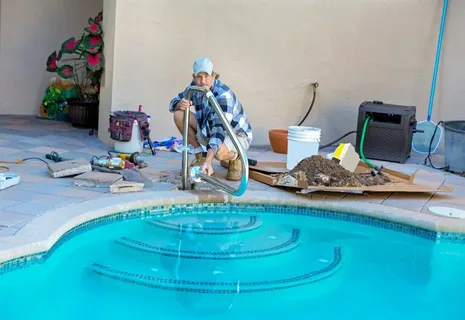
Pool Repair Service Near Me in Houston, TX: Understanding Common Pool Problems
Finding a reliable Pool Repair Service Near Me in Houston, TX can make a significant difference when a swimming pool develops problems. A pool is a valuable part of any home because it provides a place to relax, exercise, and spend quality time with family. However, keeping it in good condition requires regular attention. Problems such as water leaks, damaged tiles, broken pumps, and poor water circulation can affect its appearance and performance. Understanding these issues can help homeowners take action before small problems turn into expensive repairs.
Swimming pools are exposed to sunlight, changing temperatures, chemicals, and regular use. Over time, these conditions can cause different parts of a pool to wear down. Some problems are easy to notice, while others develop slowly and remain hidden until they become more serious. Knowing what to look for and when to contact a professional can help protect your pool and extend its useful life.
Why Swimming Pools Need Professional Attention
A swimming pool contains several connected systems that work together to keep the water clean and the equipment running properly. These include pumps, filters, plumbing lines, drains, skimmers, and circulation systems. If one component stops working correctly, it can affect the entire pool.
For example, a damaged pump may reduce water circulation. Poor circulation can make it harder for the filtration system to remove dirt and debris. Similarly, a leaking pipe may cause water levels to drop and place additional pressure on pool equipment.
Professional inspections help identify the source of these problems. Rather than replacing parts without understanding the cause, a trained technician can examine the pool and recommend an appropriate repair.
Common Swimming Pool Problems Homeowners Should Know About
1. Swimming Pool Water Leaks
Water loss is one of the most common concerns for pool owners. A small amount of water can disappear naturally because of evaporation, especially during hot weather. However, a noticeable or continuous drop in water level may indicate a leak.
Leaks can develop in several areas, including:
-
Pool walls and floors
-
Plumbing connections
-
Skimmers and return fittings
-
Pool lights and other fixtures
-
Cracks around the pool structure
A leak should not be ignored because it may waste water and damage surrounding areas. Water escaping beneath the pool can sometimes affect the soil and create additional structural concerns.
A professional inspection can help determine whether the water loss is caused by evaporation, plumbing damage, or a structural issue. Finding the source early makes it easier to choose the right solution.
2. Cracks in Pool Surfaces
Small cracks can appear in concrete, plaster, and other pool surfaces as materials age. Some cracks may be cosmetic, while others could indicate a more serious issue.
Homeowners should pay attention to cracks that become wider, allow water to escape, or appear alongside other signs of damage. Ignoring these warning signs may lead to more extensive repairs.
The repair method depends on the surface material, the location of the crack, and its severity. A professional can inspect the damaged area and determine whether patching, resurfacing, or another repair method is appropriate.
3. Pool Pump Problems
The pool pump plays an important role in moving water through the filtration system. Without proper circulation, dirt and other unwanted materials can remain in the pool.
Common signs of pump trouble include unusual noises, weak water flow, overheating, and difficulty starting. A pump may also lose its ability to maintain proper pressure.
Some pump problems result from blocked baskets or clogged lines. Others may involve worn seals, damaged motors, or electrical components.
Regular equipment inspections can help identify early warning signs and reduce the risk of unexpected breakdowns.
4. Dirty or Clogged Pool Filters
Pool filters remove dirt, leaves, small particles, and other debris from circulating water. When a filter becomes clogged, water flow may decrease and the pool may become cloudy.
Different pools use different filtration systems, including cartridge, sand, and diatomaceous earth filters. Each type has its own cleaning and maintenance requirements.
Homeowners should follow the recommended cleaning schedule and watch for changes in water clarity or filter pressure. If cleaning does not improve performance, the filter may need professional attention or replacement.
5. Damaged Pool Tiles and Coping
Tiles and coping contribute to both the appearance and function of a swimming pool. They also help protect the edges and surrounding structure.
Over time, tiles may loosen, crack, or fall away. Coping can also become damaged because of weather exposure, movement, or normal wear.
Broken tiles should be repaired because sharp edges can create safety concerns. Loose coping should also be inspected to prevent further deterioration.
A professional repair can restore the affected area and help maintain a neat, finished appearance.
Warning Signs That Your Pool Needs Repairs
Not every pool problem is immediately obvious. Some warning signs may appear gradually, which is why homeowners should pay attention to changes in water quality, equipment performance, and the pool structure.
Here are several signs that deserve attention:
-
Water levels dropping more quickly than usual
-
Pump or motor making unusual sounds
-
Water becoming cloudy despite regular cleaning
-
Cracks appearing in the pool surface
-
Loose or missing tiles
-
Weak water circulation
-
Equipment repeatedly switching off
-
Unusual changes in filter pressure
These signs do not always mean that a major repair is necessary. However, they indicate that something may not be working as expected. A professional inspection can help identify the problem before it becomes more difficult to manage.
How Professional Pool Repairs Protect Your Investment
A swimming pool requires an investment of money, time, and regular care. Proper repairs help protect that investment by keeping the structure and equipment in good working condition.
Preventing Small Problems From Becoming Expensive
A minor leak, loose tile, or worn pump component may seem unimportant at first. However, delaying repairs can allow damage to spread.
For example, a small plumbing leak may continue wasting water and potentially affect the surrounding ground. A pump that struggles to operate may place additional pressure on other equipment.
Addressing problems early can help reduce repair costs and prevent unnecessary replacements.
Improving Water Circulation
Good circulation is necessary for effective filtration and chemical distribution. When water moves properly through the system, the filter can capture unwanted particles more efficiently.
Repairing a damaged pump, blocked line, or faulty fitting can help restore normal circulation. This supports cleaner water and more consistent pool operation.
Maintaining a Comfortable Swimming Environment
Pool surfaces, fittings, and equipment should remain in suitable condition for regular use. Damaged tiles, rough surfaces, and malfunctioning systems can affect the swimming experience.
Professional repairs help address these issues and maintain a more comfortable environment for family members and guests.
Supporting Long-Term Pool Performance
Regular inspections and timely repairs can help extend the useful life of important pool components. They also give homeowners a better understanding of the condition of their pool.
Keeping repair records and following professional recommendations can make future maintenance easier.
Choosing the Right Pool Repair Professional in Houston
Choosing a qualified repair professional is an important step in maintaining a swimming pool. Homeowners should look for a service provider who understands different pool systems and can explain the repair process clearly.
Consider the following points before hiring a technician.
Experience With Different Pool Problems
Pool repairs can involve plumbing, electrical components, surface materials, and filtration systems. Look for professionals who have experience handling the type of issue affecting your pool.
Clear Inspection and Repair Recommendations
A reliable technician should explain what is wrong, what needs attention, and which repair options are available. Clear recommendations help homeowners understand the work before it begins.
Proper Equipment and Repair Methods
Different problems require different tools and techniques. A professional should use suitable equipment and follow appropriate repair practices rather than applying a temporary solution to every issue.
Transparent Communication
Homeowners should understand the expected repair work, estimated costs, and any additional concerns identified during the inspection. Good communication makes the process easier and helps avoid misunderstandings.
When comparing service providers, consider their experience, customer feedback, communication, and the type of repairs they offer.
Why Houston's Climate Makes Pool Care Important
Houston experiences hot summers, humidity, rainfall, and changing weather conditions. These environmental factors can influence swimming pool performance throughout the year.
High temperatures can increase evaporation and make water chemistry harder to manage. Heavy rainfall may introduce dirt and other materials into the pool, while storms can bring leaves and debris that affect skimmers and filters.
Sunlight can also contribute to chemical changes and wear on exposed surfaces. Over time, these conditions may affect pool equipment, water quality, and structural materials.
Homeowners should inspect their pools regularly and avoid waiting until a problem becomes obvious. Preventive attention is especially useful during periods of heavy use and changing weather.
Pool Repair or Replacement: Which Option Makes More Sense?
When a pool develops a problem, homeowners may wonder whether repairing the damaged component is enough or whether replacement is necessary.
The answer depends on the age of the equipment, the extent of the damage, and the overall condition of the pool.
For example, a pump with a minor mechanical issue may only require a repair. However, a severely damaged or outdated pump may be more practical to replace.
The same principle applies to pool surfaces and plumbing systems. Small cracks or isolated damage may be repairable, while widespread deterioration could require resurfacing or more extensive restoration.
A professional assessment can help compare available options. Homeowners should consider both immediate costs and long-term performance when making a decision.
Simple Ways to Reduce Future Pool Repair Problems
Although some pool issues are unavoidable, regular care can reduce the risk of unexpected damage.
Here are a few practical habits that can help:
-
Check water levels regularly: Sudden changes may indicate a leak or another issue.
-
Clean skimmer baskets: Removing leaves and debris supports better water flow.
-
Monitor filter pressure: Unusual pressure readings may indicate a filtration problem.
-
Inspect visible surfaces: Look for cracks, loose tiles, and damaged fittings.
-
Keep water chemistry balanced: Follow recommended testing and treatment practices.
-
Listen to pool equipment: Unusual sounds may be an early sign of mechanical trouble.
-
Schedule professional inspections: Periodic inspections can help identify problems that are difficult to notice.
These simple steps can support better pool performance and make it easier to recognize changes that require professional attention.
When Should You Schedule a Pool Inspection?
A pool inspection is useful when equipment starts behaving differently, water levels change unexpectedly, or visible damage appears.
It is also a good idea to arrange an inspection when preparing a pool for a busy swimming season or after severe weather. Older pools may benefit from more frequent assessments because their surfaces, plumbing, and equipment have experienced more wear.
If you are searching for a Pool Repair Service Near Me in Houston, TX, consider choosing an experienced provider who can inspect the complete system and explain the available repair options.
For homeowners looking for local pool care, Prosperity Pools provides a starting point for exploring professional pool repair services in the Houston area. The right repair plan should address the actual problem rather than simply treating its visible symptoms.
Frequently Asked Questions
1. What Are the Most Common Swimming Pool Repairs?
Common repairs include fixing water leaks, repairing pool pumps, cleaning or replacing filters, repairing damaged tiles, addressing plumbing problems, and restoring cracked pool surfaces.
2. How Do I Know If My Swimming Pool Has a Leak?
A noticeable drop in water level, wet areas around the pool, and continuously running equipment may indicate a leak. However, evaporation can also cause water loss. A professional leak inspection can help identify the actual cause.
3. Can a Pool Pump Be Repaired Instead of Replaced?
Yes. Some pump problems can be resolved by repairing seals, clearing blockages, or replacing individual components. If the motor is severely damaged or the pump is outdated, replacement may be a better option.
4. How Often Should a Swimming Pool Be Inspected?
Homeowners should monitor their pools regularly and arrange professional inspections when problems appear. Periodic inspections can also help identify developing issues before they become serious.
5. Why Is Professional Pool Repair Better Than Temporary Fixes?
Professional repairs focus on identifying the underlying cause of a problem. Temporary fixes may only address visible symptoms, allowing the original issue to continue and potentially become more expensive.
Conclusion
Swimming pool problems can affect water quality, equipment performance, safety, and the overall appearance of your backyard. From leaking plumbing and damaged tiles to pump failures and filtration issues, every problem deserves proper attention.
Homeowners who understand common warning signs can take action earlier and make more informed repair decisions. Regular inspections, balanced water chemistry, and timely equipment repairs all contribute to better pool performance.
If your pool needs attention, choose a qualified local professional who can assess the problem and recommend a suitable solution. Prosperity Pools can be considered when exploring local pool repair options, helping homeowners take the next step toward maintaining a clean, functional, and enjoyable swimming pool.

 English
 Arabic
 Spanish
 Portuguese
 Deutsch
 Turkish
 Dutch
 Italiano
 Russian
 Romaian
 Portuguese (Brazil)
 Greek
