


Drain Service Toronto and Cleaning Drains A Practical Homeowner Guide
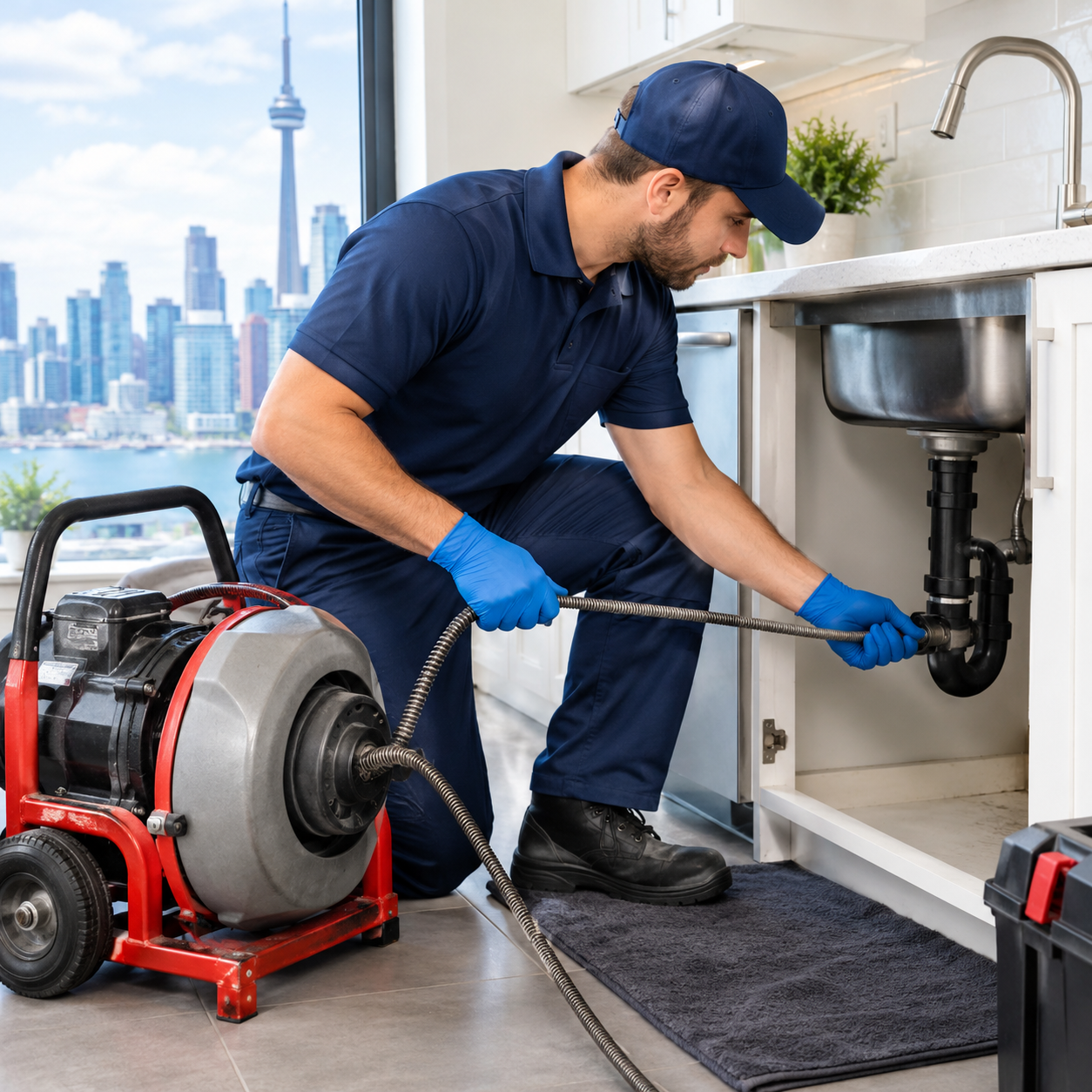
A slow sink or a gurgling floor drain can seem like a small inconvenience until water starts collecting where it should not. Understanding when to consider drain service toronto and how cleaning drains fits into everyday maintenance helps homeowners respond early. The goal is not simply to restore flow for a day, but to identify what is restricting the line and reduce the chances of another blockage.
Why Household Drains Begin to Slow
Every drain carries a different mix of waste. Kitchen lines collect cooking grease and fine food particles, while bathroom pipes gradually accumulate hair and soap residue. Laundry areas may receive lint, and basement drains can pick up grit from nearby surfaces. Over time, these materials cling to pipe walls, narrow the passage and trap more debris. A blockage may also reflect conditions beyond routine buildup. Older pipes can shift, joints may deteriorate, and roots sometimes enter underground lines through openings. When several fixtures act up together, the restriction may sit deeper in the drainage system rather than immediately beneath one sink.
Recognize the Signs Before Water Backs Up
Small Changes That Deserve Attention
Watch for water that takes longer than usual to disappear, bubbling sounds after a fixture empties, or unpleasant smells returning soon after a drain is rinsed. A toilet that reacts when another fixture runs can also suggest a shared drainage problem. These signs are useful clues, especially when they appear repeatedly. Standing wastewater, sewage odours and overflow near electrical equipment call for greater caution. Avoid using affected fixtures until the source is understood. Keep people away from contaminated water and arrange appropriate assessment instead of repeatedly testing whether the line will clear on its own.
Cleaning Drains Without Creating New Problems
Preventive habits can make a meaningful difference. Scrape plates into the waste bin, collect cooking grease separately, and use removable strainers to catch hair and food scraps. Rinse strainers frequently so trapped debris does not become another source of odour. In laundry spaces, keep lint traps maintained and notice any change in discharge speed.
What Homeowners Should Avoid
Repeatedly pouring harsh chemicals into a slow drain may create risks for people handling the pipe later and may not address the underlying obstruction. Forcing rigid objects into bends can damage fittings. If a clog persists after simple, safe measures, further experimentation may turn a manageable issue into a leak or a larger backup.
How a Drainage Problem Is Assessed
A sensible inspection starts with the pattern of symptoms: which fixtures are affected, when the trouble began and whether previous blockages occurred. Accessible traps and cleanouts may then be checked. Where a deeper problem is suspected, a camera inspection can help distinguish accumulated debris from displaced joints, damaged sections or root intrusion. The cleaning approach should match the condition of the pipe and the material causing the restriction. Removing a localized obstruction is different from addressing recurring deposits along a longer run. Clearing the immediate blockage is important, but understanding why it formed is what makes the result more durable.
When Local Conditions Matter
Basements, Seasonal Rain and Older Lines
In Toronto, heavy rainfall and older drainage infrastructure can make basement floor drains especially important to monitor. Water entering through a foundation is not the same as sewage returning through a drain, and the two situations require different responses. Record where the water first appears and whether it coincides with fixture use or rainfall. When comparing drain service toronto options, look for a clear explanation of the suspected cause, the proposed work and any follow-up steps. Ask whether the condition of the line has been considered, particularly when the same location blocks repeatedly. A thoughtful diagnosis is more useful than treating every slow drain as identical.
Build a Simple Maintenance Routine
Check visible drain openings monthly, keep strainers clear and note unusual sounds or odours. After a previous backup, write down the date, affected fixtures and weather conditions. That short record can reveal patterns and help explain the issue accurately during an inspection. Preventive attention is usually easier than managing water damage after an overflow.
Conclusion
Healthy drainage depends on both daily habits and timely attention to warning signs. Whether you are researching drain service toronto for a recurring blockage or focusing on cleaning drains to prevent buildup, start with the symptoms, avoid risky shortcuts and address the cause rather than only the inconvenience. Consistent care helps keep sinks, showers and basement drains working reliably.

 English
 Arabic
 French
 Spanish
 Portuguese
 Deutsch
 Turkish
 Dutch
 Russian
 Romaian
 Portuguese (Brazil)
 Greek
