


Chimney Inspections and Chimney Sealer: Protect Your Masonry from Moisture and Weather Damage
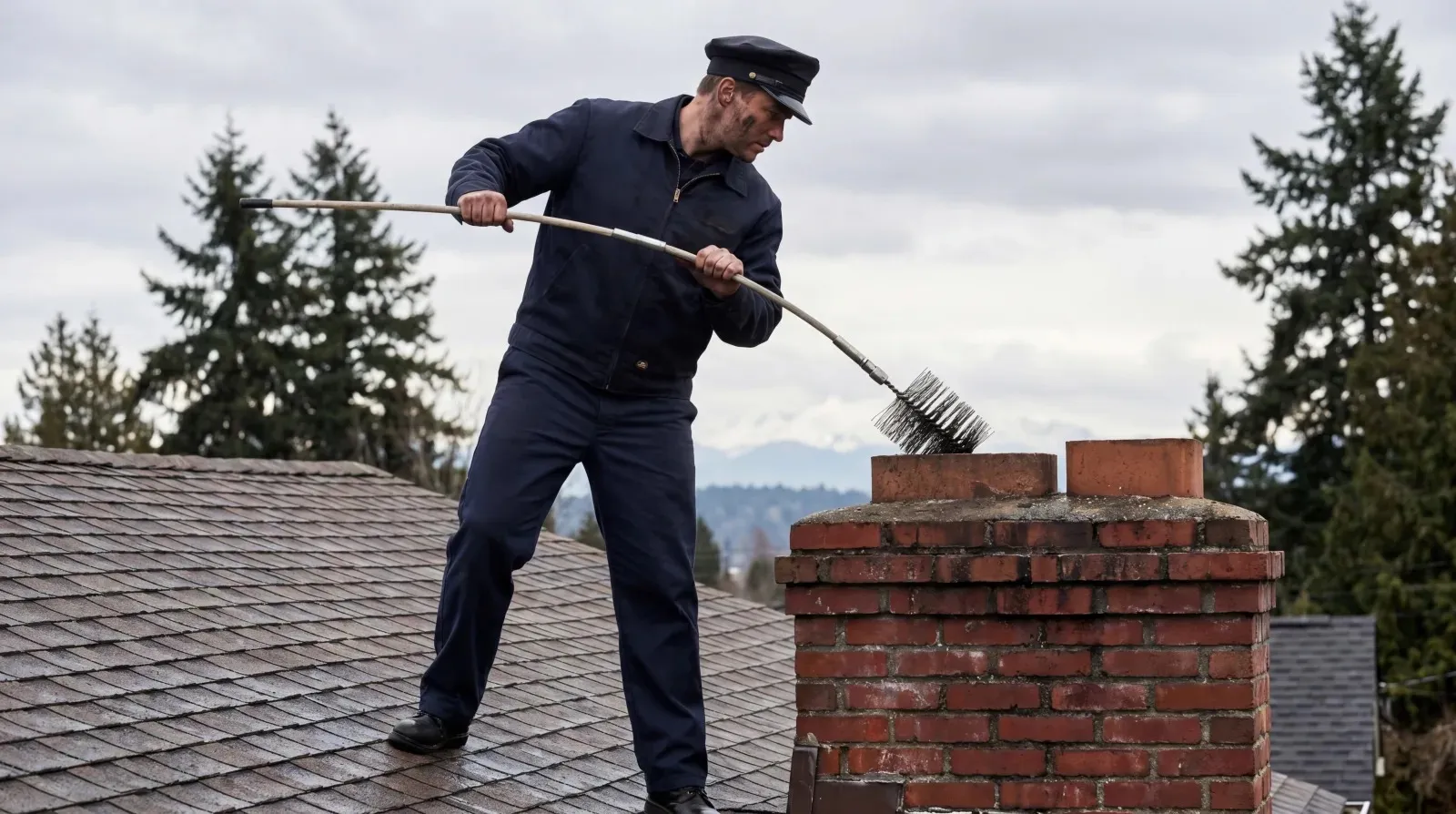
Your chimney is constantly exposed to rain, snow, wind, and changing temperatures throughout the year. Although brick and mortar structures are built to withstand outdoor conditions, prolonged exposure to moisture can gradually weaken their surfaces and create opportunities for water penetration. Small cracks, deteriorating mortar joints, and damaged chimney crowns can eventually lead to expensive structural repairs. Regular Chimney Inspections help identify these concerns before they become serious, while applying a suitable Chimney sealer can provide an additional layer of protection against moisture. Understanding how these maintenance services work together can help homeowners preserve their chimney's appearance, durability, and overall condition.
Why Regular Chimney Inspections Matter
Many chimney problems develop gradually and remain unnoticed until visible damage appears. Water can enter through small cracks, mortar joints can deteriorate, and protective components may become damaged due to continuous weather exposure.
Professional Chimney Inspections help identify these problems by examining the chimney's exterior and accessible interior components. Technicians can assess the condition of the brickwork, mortar joints, chimney crown, flashing, cap, and flue.
Regular inspections are especially important before the fireplace season begins. Identifying potential problems early gives homeowners time to arrange maintenance and avoid unexpected repairs during colder months.
An inspection can also determine whether the chimney requires masonry restoration, waterproofing, cleaning, or additional protective treatments.
How Moisture Damages Chimney Masonry
Moisture is one of the biggest threats to brick chimneys. Although masonry materials are durable, they are naturally porous and can absorb water over time.
When moisture enters bricks and mortar, several problems may develop:
-
Cracked bricks: Repeated temperature changes and freeze-thaw cycles can cause absorbed moisture to contribute to cracking.
-
Deteriorating mortar: Water penetration can weaken mortar joints and cause them to crumble.
-
White staining: White powdery deposits, commonly known as efflorescence, may appear when dissolved salts move to the masonry surface.
-
Chimney crown damage: Water entering through cracks can contribute to deterioration of the upper structure.
-
Interior leaks: Moisture may eventually reach nearby ceilings, walls, and other building materials.
Without appropriate maintenance, these problems can become more extensive and require costly restoration work.
What Is a Chimney Sealer and How Does It Work?
A chimney sealer is a specialized protective product designed to reduce water absorption in masonry surfaces. Unlike ordinary paint or surface coatings, suitable breathable masonry water repellents are formulated to help protect bricks and mortar while allowing water vapour to escape.
These products are generally applied to exterior masonry after the surface has been properly inspected and prepared.
A quality chimney waterproofing treatment can offer several benefits:
1. Reduces Water Absorption
A suitable sealer helps limit the amount of rainwater absorbed by porous bricks and mortar joints.
2. Helps Prevent Moisture-Related Deterioration
Reducing water penetration can help minimize conditions that contribute to masonry damage, particularly in areas experiencing repeated freeze-thaw cycles.
3. Preserves Exterior Appearance
Waterproofing treatments can help reduce moisture-related staining and deterioration, supporting the long-term appearance of the chimney.
4. Supports Long-Term Maintenance
A properly selected treatment can complement routine inspections and masonry maintenance by providing additional protection against weather exposure.
However, a chimney sealer is not a substitute for repairing existing cracks, damaged mortar, or defective flashing.
When Should You Apply a Chimney Sealer?
Applying a protective treatment at the right time is important for achieving effective results. Ideally, the chimney should be inspected first to determine whether the masonry is suitable for waterproofing.
Consider professional assessment when:
-
Your chimney absorbs rainwater easily.
-
Bricks show signs of moisture penetration.
-
Mortar joints appear weathered or deteriorated.
-
The exterior masonry has developed recurring moisture stains.
-
Your chimney has not received protective maintenance for several years.
Before applying a sealer, damaged masonry should be repaired and the surface should be prepared according to the product manufacturer's instructions.
Professionals should also select a breathable product specifically intended for exterior masonry. Non-breathable coatings can trap moisture inside the structure and potentially make deterioration worse.
Why Chimney Inspections Should Come Before Waterproofing
Applying a sealer without understanding the chimney's condition may not solve the underlying problem. For example, a chimney with cracked mortar joints or damaged flashing may continue experiencing water penetration even after its exterior masonry has been treated.
Professional Chimney Inspections help determine whether additional work is necessary before waterproofing begins.
An assessment may identify:
-
Loose or missing bricks.
-
Deteriorated mortar joints requiring repointing.
-
Cracks in the chimney crown.
-
Damaged roof flashing.
-
Missing or defective chimney caps.
-
Signs of excessive moisture absorption.
Once these problems have been addressed, applying an appropriate protective treatment can help maintain the restored masonry.
How to Maintain Your Chimney After Sealing
Waterproofing is only one part of a complete chimney maintenance routine. Homeowners should continue monitoring the structure and arranging professional assessments.
Here are some useful maintenance practices:
-
Schedule professional chimney inspections at least once a year.
-
Check for visible cracks and deteriorating mortar joints.
-
Keep the chimney cap in good condition to help prevent rain and debris from entering.
-
Address roof flashing problems promptly.
-
Arrange masonry repairs whenever structural deterioration appears.
-
Follow the manufacturer's recommendations regarding sealer maintenance and reapplication.
These simple steps can help homeowners identify potential problems early and maintain the chimney's protective condition.
Choosing the Right Chimney Maintenance Professionals
Selecting experienced professionals is important when arranging inspections and waterproofing services. A qualified contractor should understand masonry construction, moisture movement, brick restoration, and exterior waterproofing products.
Before approving any work, ask for an explanation of the chimney's current condition and whether repairs are required before applying a sealer.
A reliable service provider should recommend suitable breathable products, explain the preparation process, and provide a clear estimate. Avoid contractors who promise that a sealer will permanently fix structural cracks or eliminate every possible source of water penetration.
Conclusion
Protecting your chimney from moisture requires more than occasional surface maintenance. Regular Chimney Inspections help identify hidden damage, deteriorating mortar, and water penetration before these problems become expensive repairs. Applying a suitable Chimney sealer after necessary restoration can provide additional protection by reducing moisture absorption and helping preserve exterior masonry. By combining professional assessments, timely repairs, and appropriate waterproofing treatments, homeowners can maintain a stronger, more durable chimney and protect their property against weather-related deterioration for years to come.

 English
 Arabic
 Spanish
 Portuguese
 Deutsch
 Turkish
 Dutch
 Italiano
 Russian
 Romaian
 Portuguese (Brazil)
 Greek
