


Do You Know What Is Happening With Your Fish Population?
There is a meaningful difference between having a fish monitoring system in place and having one that generates actionable data. Many facilities operate monitoring infrastructure that was installed to satisfy a permit condition, produces counts at a single point in the passage corridor, and stores records in formats that are difficult to integrate with broader reporting requirements. If that describes your current setup, you are likely underinvesting in the monitoring capacity that modern fisheries management and regulatory compliance actually require.
Why Point-Based Counting Is No Longer Sufficient
A single counting station at a fish ladder entrance or a video camera above a weir gives you a number. What it does not give you is context. You cannot tell from that data point whether fish approaching the structure are successfully entering it, how long transit is taking, whether specific size classes or species are being excluded, or how performance varies across the operational range of the facility.
That context is precisely what adaptive management programs, tribal co-managers, and regulatory agencies are increasingly asking facilities to provide.
The shift toward distributed, integrated monitoring reflects a broader change in how fisheries science understands population dynamics. Fish passage is not a single event at a dam face. It is a process that begins when fish enter the tailrace zone and ends when they reach their spawning destination upstream. Monitoring systems that capture data only at the dam structure are missing most of that process and therefore cannot support the management decisions that actually determine population outcomes.
The fourth development reshaping monitoring program design is high-resolution fish counting paired with species identification at the same point of detection. Historically, counting and species identification were separate activities requiring different equipment, different staff, and different data workflows. Modern integrated systems combine passage counting with AI-powered imaging to generate species-specific counts, size distribution data, and origin classification in a single workflow. That integration is not just convenient; it fundamentally changes the quality of the management information available. For more on how Whooshh approaches integrated monitoring, visit the fish monitoring page.
What Should a Comprehensive Monitoring Program Be Able to Tell You?
A well-designed fish monitoring system should give you reliable answers to the following operational and biological questions on a continuous basis:
-
How many fish of each target species are approaching the passage structure per day, week, and migration season
-
What percentage of approaching fish are successfully entering and completing passage
-
How transit times through the passage corridor compare to biological performance standards
-
Whether fish from hatchery and wild origin are moving through the system in the expected proportions
-
How passage performance varies across the operational range of discharge and water temperature conditions
If your current system cannot answer most of these questions from its routine data output, there is a meaningful gap between the monitoring infrastructure you have and the management capacity you need.
How Does FishL Recognition Improve the Value of Your Monitoring Data?
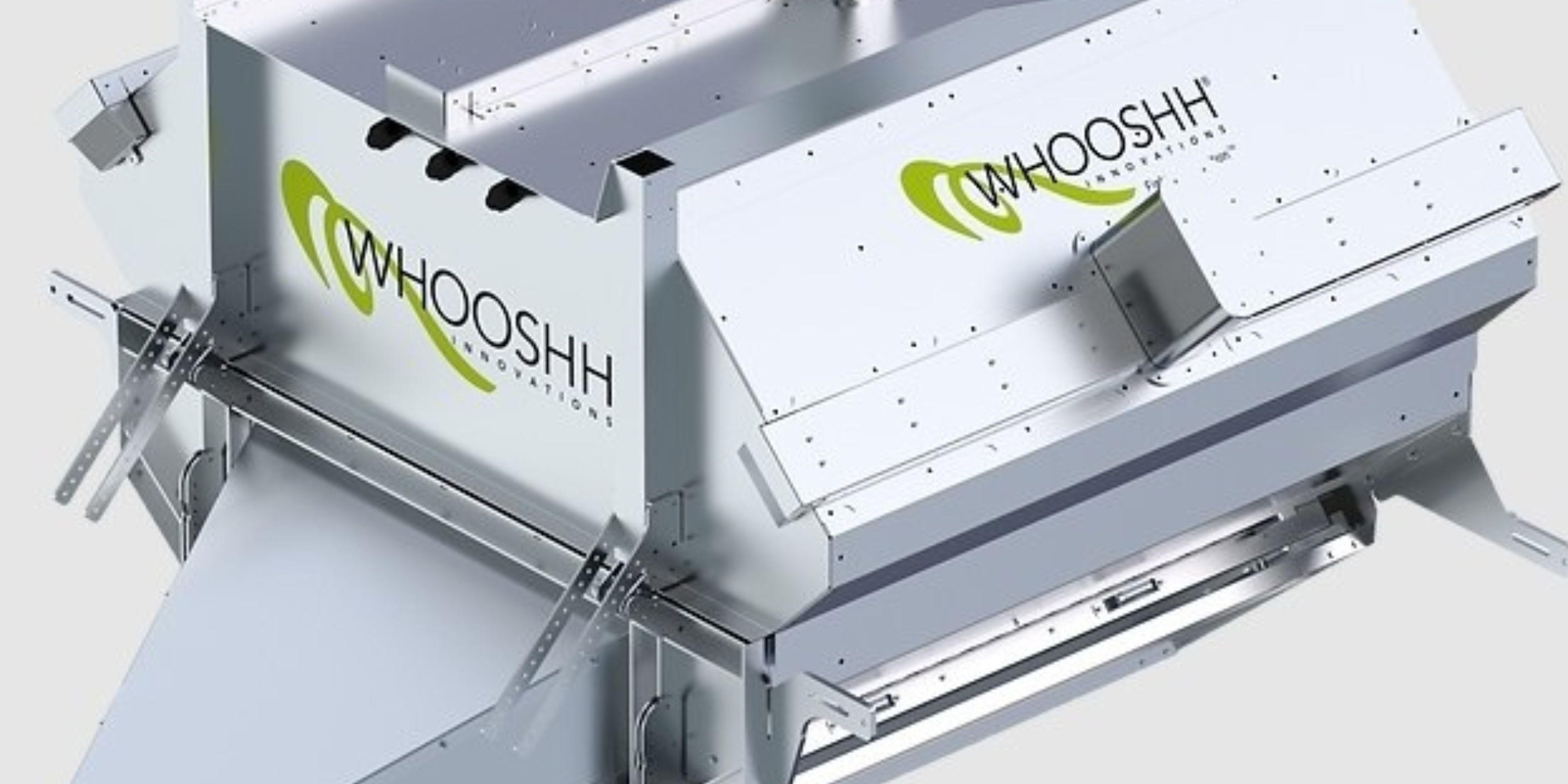
The FishL Recognition system from Whooshh Innovations adds a layer of biological detail to passage monitoring that conventional counting methods cannot provide. Using three cameras and nine images per fish, the system identifies species, assesses size, detects adipose fin clips that distinguish hatchery fish from wild-origin fish, and stores each record with its associated imaging data. That per-fish record is not just a count. It is a data asset that supports hatchery production decisions, harvest management, and long-term population trend analysis.
The combination of passage efficiency data with species and origin classification data gives you a monitoring program that is genuinely useful for adaptive management rather than simply defensible for permit compliance. That distinction matters when you are sitting across the table from regulatory partners who are looking for evidence that your facility is actively contributing to recovery goals rather than simply meeting minimum requirements.
Are You Collecting the Data That Will Define Your Regulatory Position in Five Years?
The monitoring programs facilities build now will shape their regulatory standing through the next license cycle and beyond. Investing in integrated, high-resolution monitoring is not a cost; it is infrastructure that pays dividends in management capacity and regulatory credibility over time. Contact Whooshh Innovations to discuss what a modern monitoring program looks like for your site. Explore more at whooshh.com.

 English
 Arabic
 Spanish
 Portuguese
 Deutsch
 Turkish
 Dutch
 Italiano
 Russian
 Romaian
 Portuguese (Brazil)
 Greek
