


Bariatric Surgeon in Mumbai: Choosing the Right Expert for Safe and Effective Weight Loss
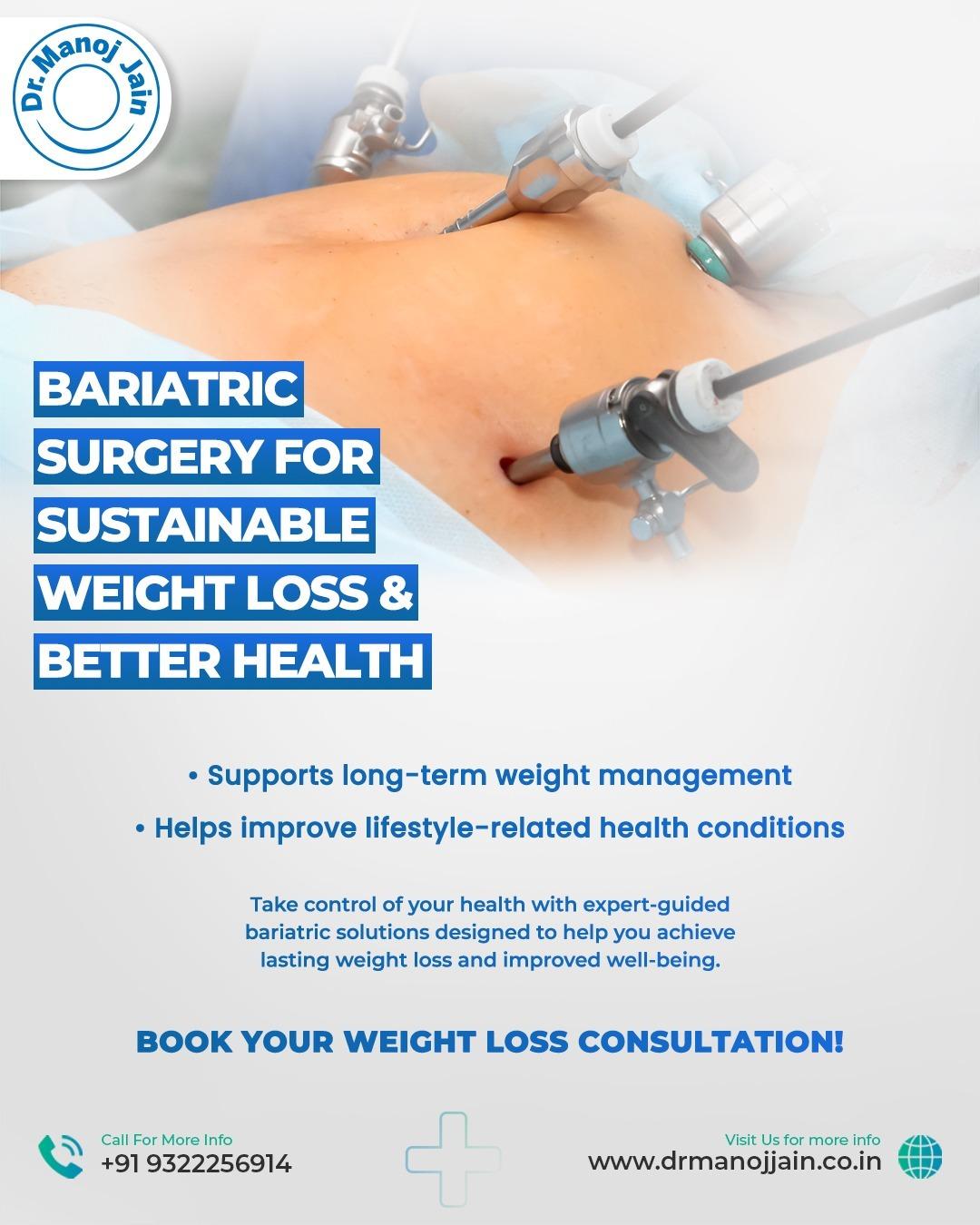
Obesity is one of the major health challenges affecting people across different age groups. Excess body weight can increase the risk of several health conditions, including type 2 diabetes, high blood pressure, heart disease, joint problems, and sleep apnea. While maintaining a balanced diet and following a regular exercise routine are important for weight management, some individuals may find it difficult to achieve sustainable weight loss through lifestyle changes alone. In such cases, consulting an experienced bariatric surgeon in Mumbai can help patients explore suitable medical and surgical treatment options.
Bariatric surgery is a specialised medical approach designed to help individuals struggling with severe obesity. It involves procedures that modify the stomach and, in some cases, the digestive system to support weight reduction and improve obesity-related health conditions. With proper medical evaluation and long-term lifestyle support, eligible patients can work towards better health and improved quality of life.
Understanding the Role of a Bariatric Surgeon
A bariatric surgeon is a medical professional specialising in surgical procedures used to treat severe obesity. Their role involves evaluating patients, identifying appropriate treatment options, performing weight loss procedures, and monitoring recovery.
Before recommending surgery, the surgeon considers several factors, including body mass index (BMI), medical history, existing health conditions, previous weight loss attempts, and overall fitness.
A qualified bariatric surgeon also works with dietitians, physicians, psychologists, and other healthcare professionals to provide comprehensive treatment.
Why Consult a Bariatric Surgeon in Mumbai?
Mumbai has several advanced healthcare facilities offering obesity management and bariatric treatment. Consulting an experienced bariatric surgeon in Mumbai allows patients to understand different surgical procedures and receive treatment recommendations based on their individual health requirements.
A typical consultation may include:
- Complete medical history and physical examination.
- Assessment of BMI and obesity-related complications.
- Evaluation of previous weight management efforts.
- Discussion of available surgical procedures.
- Nutritional and psychological assessment.
- Preoperative investigations and preparation.
- Postoperative monitoring and recovery planning.
This detailed approach helps patients understand the possible benefits, risks, and responsibilities associated with bariatric surgery.
Common Procedures Performed by Bariatric Surgeons
Different weight loss procedures are available for individuals with severe obesity. The selection of surgery depends on the patient's medical condition, weight loss requirements, and eligibility.
1. Gastric Sleeve Surgery
Gastric sleeve surgery, also known as sleeve gastrectomy, involves removing a large portion of the stomach and creating a smaller, sleeve-shaped stomach.
The reduced stomach size limits food intake and may influence hunger-related hormones. This can help patients feel full sooner and support long-term weight reduction.
2. Gastric Bypass Surgery
Gastric bypass surgery involves creating a small stomach pouch and connecting it to a section of the small intestine. This procedure reduces food intake and changes the digestive pathway.
It may also improve certain obesity-related metabolic conditions, including type 2 diabetes.
3. Mini Gastric Bypass Surgery
Mini gastric bypass is another weight loss procedure that involves creating a smaller stomach pouch and connecting it to the small intestine.
It helps reduce food consumption and changes nutrient absorption. Patients require regular medical monitoring and nutritional supplementation after surgery.
4. Revisional Bariatric Surgery
Revisional bariatric surgery may be recommended for patients who have previously undergone weight loss surgery but experience complications, insufficient weight loss, or significant weight regain.
A detailed assessment is necessary before considering another surgical procedure.
Who Should Consider Bariatric Surgery?
Bariatric surgery may be considered for individuals experiencing severe obesity, particularly when other weight management methods have not provided sufficient results.
However, not everyone is eligible for surgery. A bariatric surgeon evaluates several factors before recommending treatment.
These include:
- Current BMI and overall weight-related health risks.
- History of obesity and previous weight loss attempts.
- Presence of diabetes or hypertension.
- Heart and respiratory health.
- Nutritional and psychological readiness.
- Willingness to follow long-term lifestyle changes.
Patients should consult a qualified medical professional to understand their eligibility and treatment options.
Benefits of Choosing an Experienced Bariatric Surgeon
Choosing an experienced surgeon is important for proper treatment planning, surgical care, and postoperative monitoring.
Bariatric surgery may offer several potential health benefits for eligible individuals, including:
Long-Term Weight Management: Surgical procedures can support significant weight loss when combined with healthy lifestyle habits.
Improved Blood Sugar Levels: Weight reduction may improve diabetes management and metabolic health.
Better Cardiovascular Health: Losing excess weight can help improve blood pressure and reduce certain cardiovascular risk factors.
Reduced Joint Pain: Lower body weight may reduce pressure on the knees, hips, and other joints.
Improved Sleep: Weight loss may help reduce symptoms associated with obesity-related sleep apnea.
Better Physical Activity: Improved mobility can make everyday activities more comfortable.
Individual results vary, and surgery involves potential risks that should be discussed before treatment.
Recovery and Care After Bariatric Surgery
Recovery is an important stage of the weight loss journey. Patients need to follow the surgeon's instructions and maintain regular communication with their healthcare team.
After surgery, the diet generally progresses from liquids to pureed foods, soft foods, and eventually regular meals according to medical guidance.
Some important postoperative recommendations include:
- Eat small portions throughout the day.
- Include sufficient protein in the diet.
- Drink adequate water.
- Avoid foods that cause discomfort.
- Start physical activity gradually.
- Take prescribed vitamins and supplements.
- Attend regular medical follow-up appointments.
Long-term nutritional monitoring is particularly important to prevent deficiencies and maintain good health.
How to Choose the Right Bariatric Surgeon in Mumbai
Finding the right surgeon requires careful research. Patients should consider medical qualifications, specialised training, surgical experience, hospital facilities, and postoperative support.
Here are some important factors to consider:
- Medical Qualifications: Verify the surgeon's qualifications and specialised training in bariatric surgery.
- Surgical Experience: Ask about experience with procedures such as gastric sleeve and gastric bypass.
- Hospital Facilities: Choose a medical facility with appropriate surgical infrastructure and emergency care.
- Personalised Consultation: The surgeon should carefully evaluate your health before recommending treatment.
- Postoperative Support: Ensure access to nutritional counselling and regular follow-up care.
- Clear Communication: Discuss surgical risks, recovery time, expected results, and treatment costs.
Making an informed decision can help patients feel more confident throughout their treatment journey.
Conclusion
Managing severe obesity requires proper medical guidance, personalised treatment, and long-term lifestyle changes. Consulting an experienced bariatric surgeon in Mumbai can help individuals understand available weight loss procedures and determine whether surgical treatment is suitable for their health needs.
Procedures such as gastric sleeve, gastric bypass, and mini gastric bypass can support significant weight reduction in eligible patients. However, maintaining results requires balanced nutrition, regular physical activity, medical supervision, and consistent follow-up care.
With the right treatment plan and professional guidance, individuals can take positive steps towards better health, improved mobility, and a healthier lifestyle.

 English
 Arabic
 French
 Spanish
 Portuguese
 Turkish
 Dutch
 Italiano
 Russian
 Romaian
 Portuguese (Brazil)
 Greek
