


Why Hispanic Foods Market Demand Is Expanding Across Foodservice
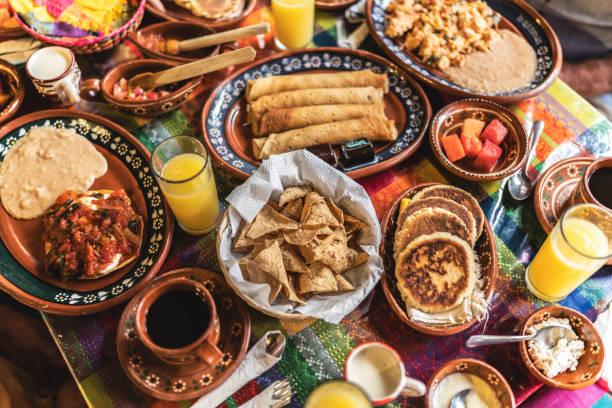
Hispanic Foods Market is attracting growing attention within the international foodservice industry as restaurants and dining businesses increasingly incorporate culturally diverse cuisines into their menus. Consumers are exploring different flavors, traditional recipes, and regionally inspired meals, encouraging foodservice operators to expand their culinary selections. Hispanic dishes offer considerable menu flexibility because they include a wide variety of appetizers, main courses, snacks, sauces, and side dishes. Tacos, burritos, enchiladas, quesadillas, and rice-based meals have become recognizable offerings in many dining environments. This growing visibility is encouraging restaurants, quick-service chains, catering businesses, and independent food operators to explore additional Hispanic-inspired menu opportunities.
The wider adoption of Hispanic-inspired restaurant food offerings is helping foodservice businesses respond to consumer interest in international flavors. Restaurants can introduce traditional recipes while also developing fusion dishes that combine Hispanic ingredients with local culinary influences. Salsa, tortillas, beans, peppers, and specialty seasonings provide versatile ingredients for different menu applications. These ingredients can be used across appetizers, vegetarian meals, meat-based dishes, and customizable food combinations. Menu flexibility allows operators to serve customers with different preferences while introducing traditional ingredients through familiar meal formats.
Quick-service restaurants are particularly well positioned to incorporate Hispanic-inspired food products because many traditional dishes can be adapted into convenient meal formats. Burritos, tacos, quesadillas, and wraps can be prepared using standardized ingredients and served through takeaway, delivery, or dine-in channels. Customizable toppings and fillings also allow restaurants to accommodate individual preferences. Operators can offer different protein options, vegetables, sauces, and spice levels to create varied menu combinations. This approach can improve customer choice while helping foodservice businesses maintain operational flexibility during different service periods.
Independent restaurants and specialty dining establishments contribute to the visibility of traditional Hispanic cuisine by presenting regional dishes and authentic preparation styles. These businesses may focus on traditional recipes, locally sourced ingredients, and culinary techniques associated with specific regions. Their menus can introduce customers to lesser-known dishes while creating a distinctive dining experience. Foodservice operators can also educate customers through menu descriptions, ingredient explanations, and staff recommendations. This type of customer engagement can help diners better understand the ingredients and cultural influences behind different Hispanic food offerings.
Food delivery platforms are creating additional opportunities for Hispanic-inspired foodservice businesses. Consumers increasingly use digital ordering channels to discover restaurants, compare menu selections, and purchase prepared meals. Hispanic dishes that travel well and maintain their quality during delivery can be suitable for takeaway and online ordering operations. Restaurants can develop packaging strategies that help preserve texture, temperature, and presentation. Separate packaging for sauces, toppings, and certain ingredients can also improve the final meal experience. Businesses that combine appealing menus with reliable delivery operations can strengthen their visibility in competitive foodservice markets.
Ingredient sourcing and supply chain management remain essential considerations for restaurant operators. Foodservice businesses require consistent supplies of tortillas, sauces, beans, spices, vegetables, and other ingredients to maintain menu quality. Establishing reliable supplier relationships can help reduce product inconsistencies and support efficient kitchen operations. Restaurants with multiple locations may also benefit from standardized ingredient specifications and preparation procedures. At the same time, independent establishments may prefer working with specialty suppliers that offer region-specific ingredients. Balancing authenticity, availability, and cost efficiency is important for maintaining sustainable foodservice operations.
Menu innovation can also help restaurants attract consumers interested in plant-based and customizable meals. Beans, corn, vegetables, rice, and avocado-based ingredients can support vegetarian and plant-focused menu development. Operators can introduce different combinations without significantly changing their existing kitchen infrastructure. Other opportunities include smaller portion options, sharing platters, snack-based menus, and family meal bundles. Seasonal promotions and limited-time offerings can also introduce customers to new regional flavors. These approaches allow restaurants to test consumer interest before making permanent changes to their menus.
The outlook for Hispanic cuisine within foodservice remains connected to international dining trends, consumer curiosity, and the continued development of convenient restaurant experiences. Businesses that understand regional food traditions and adapt their offerings to local preferences can create differentiated menus. Investments in ingredient quality, staff knowledge, delivery packaging, and menu development can improve customer satisfaction. The combination of authentic dishes and contemporary dining formats may also encourage more consumers to explore Hispanic cuisine. As restaurants continue diversifying their menus, Hispanic-inspired food offerings are expected to remain an important area of culinary exploration and commercial opportunity.
FAQs
Why are restaurants adding Hispanic-inspired dishes to menus?
They help restaurants offer diverse flavors, attract new customers, and create differentiated dining experiences.
Which Hispanic foods are commonly served in restaurants?
Tacos, burritos, enchiladas, quesadillas, rice dishes, and salsa-based meals are common options.
How do food delivery platforms support Hispanic foodservice?
They improve restaurant visibility and make prepared Hispanic meals accessible through convenient digital ordering.

 Arabic
 French
 Spanish
 Portuguese
 Deutsch
 Turkish
 Dutch
 Italiano
 Russian
 Romaian
 Portuguese (Brazil)
 Greek
