


How ALDI Stores Increase Real Estate Value Through Strategic Retail Locations
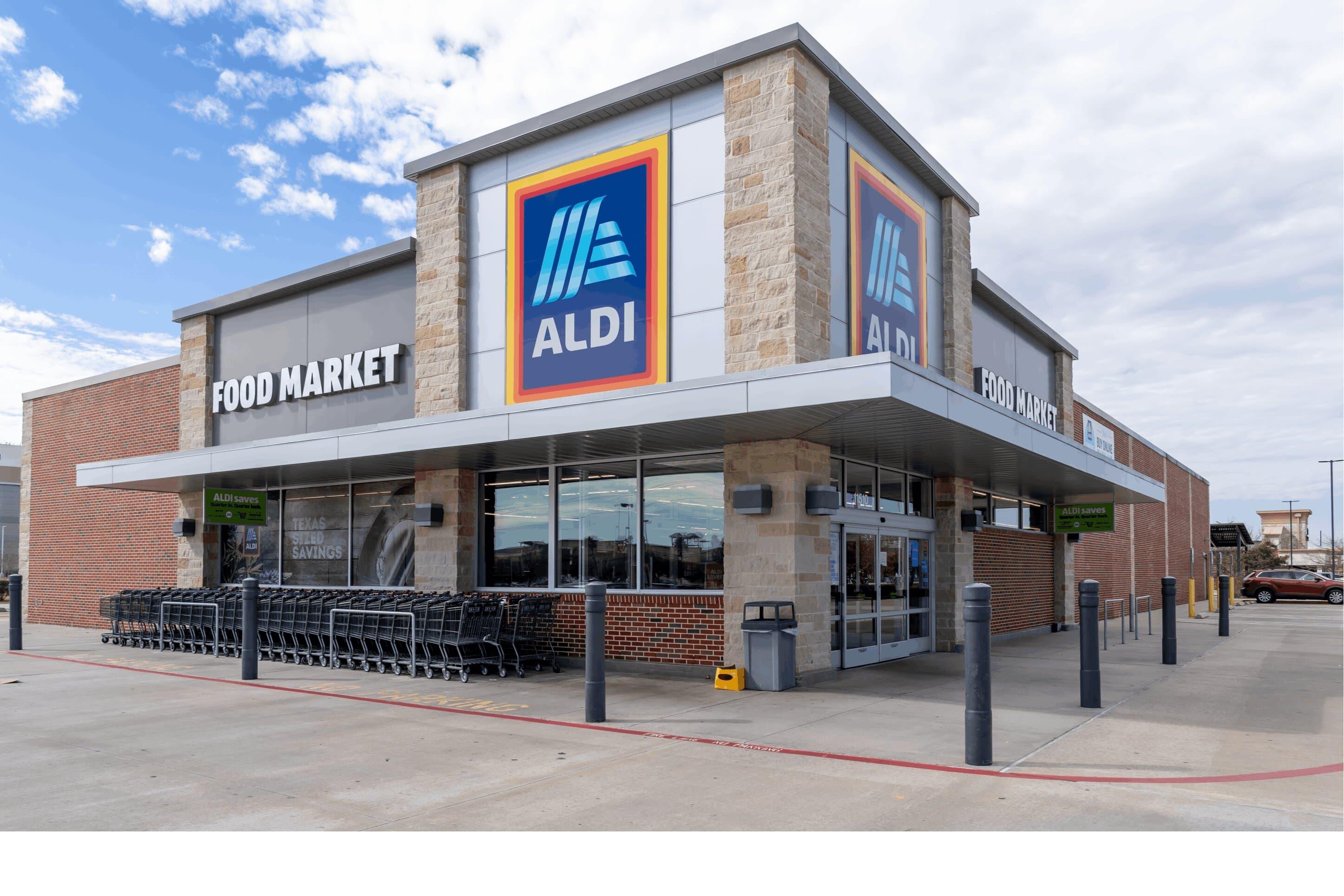
Grocery retail properties can play an important role in commercial real estate portfolios because they serve recurring household needs and attract regular customer visits. Their long term potential depends on neighborhood demand, convenient access, property functionality, and the strength of the underlying lease. Investors researching How ALDI stores increase real estate value should examine how strategic retail locations influence property performance and surrounding commercial activity. A well positioned grocery property may benefit from residential density, employment centers, transportation access, and complementary businesses, making location analysis an essential part of investment evaluation.
Strategic Location Selection and Neighborhood Accessibility
Strategic site selection can influence the long term commercial relevance of grocery properties. Locations near residential communities, major roads, employment centers, and established shopping districts may attract customers from different parts of a trade area. Investors should examine road visibility, entrance placement, parking availability, and transportation connections. Convenient access can support regular customer visits and strengthen the property's position within the surrounding retail market. A detailed location assessment should also consider future residential construction, neighborhood development, and changes in local transportation infrastructure.
Grocery Store Design and Property Functionality
Grocery properties require building layouts that support product displays, inventory storage, deliveries, refrigeration, customer circulation, and employee operations. Investors should examine usable floor area, ceiling height, loading facilities, parking capacity, and the condition of essential building systems. The property should provide sufficient space for efficient retail activities while maintaining convenient customer access. Building functionality can influence future leasing possibilities if the current tenant eventually leaves. Properties with adaptable layouts may offer greater flexibility than buildings designed around highly specialized operating requirements.
Understanding Long Term Lease Agreements
Lease structure is an important factor in evaluating grocery retail real estate. Investors should examine the remaining lease term, renewal options, rental increases, assignment provisions, and responsibility for operating expenses. Some triple net agreements transfer property taxes, insurance, and maintenance obligations to the tenant, while other responsibilities may remain with the owner. Investors should carefully review provisions governing structural repairs, roofing, parking areas, and major replacements. A clear understanding of contractual obligations helps determine the reliability of rental income and the level of direct property management required.
Tenant Stability and Grocery Retail Demand
Tenant stability can influence the income potential of grocery properties throughout an investment period. Investors should review the legal entity responsible for rent, available financial information, corporate guarantees, and the tenant's operating history. Grocery stores often serve recurring household requirements, but individual locations can perform differently depending on neighborhood demographics and competitive conditions. Investors should examine the specific property's trade area rather than relying entirely on tenant recognition. A combination of tenant financial analysis and local market research provides a stronger basis for evaluating long term investment potential.
Neighborhood Growth and Commercial Property Value
Neighborhood growth can influence the attractiveness of grocery retail locations. Residential development, employment expansion, infrastructure improvements, and population changes may increase demand for accessible shopping destinations. Properties positioned near established communities may benefit from regular customer activity, while locations in developing neighborhoods may gain relevance as new households move into the area. Investors should examine demographic trends and planned commercial projects before evaluating a site. These factors can help explain how the surrounding market may support the property's long term commercial usefulness.
Accessibility, Parking, and Customer Convenience
Customer convenience is an important feature of successful grocery retail properties. Adequate parking, clearly positioned entrances, safe pedestrian access, and efficient vehicle circulation can improve the shopping experience. Investors should examine whether the site can accommodate customer traffic during busy periods and whether delivery vehicles have appropriate access. Nearby public transportation and surrounding retail destinations may also influence accessibility. A property that supports different transportation needs may serve a wider customer base. These physical characteristics contribute to the overall quality of the retail location.
Comparing Grocery and Essential Retail Properties
Grocery properties can be evaluated alongside other essential retail investments to understand differences in building requirements and customer demand. Investors should compare store formats, parking arrangements, loading facilities, lease structures, and surrounding demographics. Reviewing additional grocery retail property opportunities and other neighborhood essential retail properties can provide useful context for understanding different retail formats. These comparisons help investors evaluate how property functionality and customer convenience influence commercial real estate opportunities across the daily needs retail sector.
Property Condition and Maintenance Responsibilities
Building condition is essential when assessing long term grocery property ownership. Investors should examine roofing, refrigeration infrastructure where applicable, electrical systems, plumbing, heating and cooling equipment, drainage, flooring, parking surfaces, and loading areas. The lease should identify responsibility for routine maintenance, equipment replacement, and structural repairs. Professional inspections can reveal deferred maintenance or potential operational concerns. Investors should also review environmental conditions and building compliance records. Understanding these responsibilities before acquisition helps establish a realistic view of future ownership obligations.
Managing Investment Risks and Portfolio Diversification
Grocery retail investments can involve risks related to tenant performance, lease expiration, competition, building specialization, and changes in neighborhood demand. Investors should consider the availability of replacement tenants and the possibility that a property may require modifications for alternative uses. Diversification across geographic markets and commercial property categories can help reduce concentration exposure. However, each asset should be evaluated according to its individual location, lease structure, and tenant obligations. Regular monitoring of surrounding development and market conditions supports informed long term portfolio management.
Conclusion
Strategic grocery retail locations can contribute to commercial property value through convenient accessibility, recurring consumer demand, functional building layouts, and strong surrounding neighborhoods. Investors should evaluate tenant stability, lease provisions, property condition, and future market development before making an acquisition decision. A well positioned property may offer useful long term investment characteristics, although individual performance depends on its specific operating environment. NNN Trends by Equity CRE provides commercial property research and net lease investment insights that help investors understand grocery retail opportunities and make informed real estate investment decisions.

 English
 Arabic
 French
 Spanish
 Portuguese
 Deutsch
 Dutch
 Italiano
 Russian
 Romaian
 Portuguese (Brazil)
 Greek
