


Bamboos Market: Exploring Sustainable Materials and Emerging Industry Trends
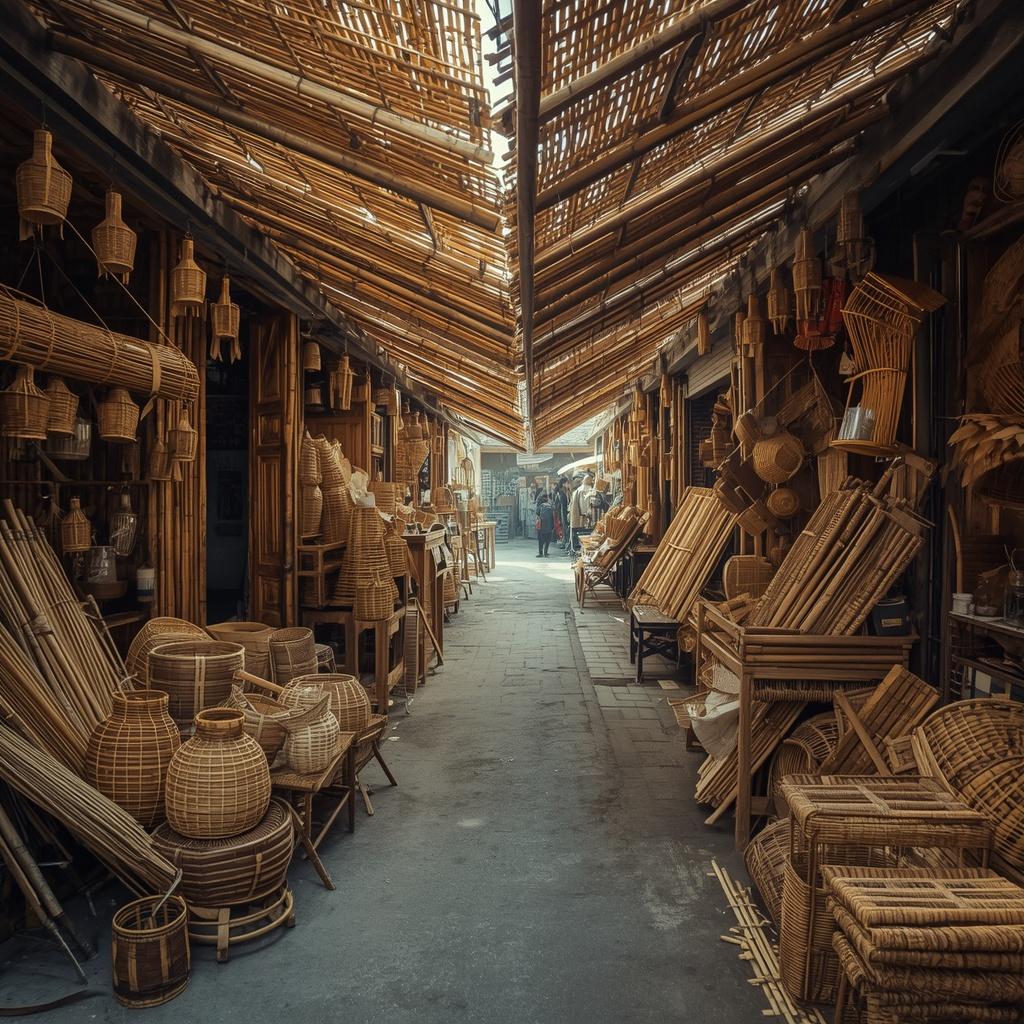
The Bamboos Market is attracting growing attention as industries explore renewable materials that can support modern manufacturing and sustainable development. Bamboo is a versatile natural resource that has traditionally been used for construction, furniture, handicrafts, household products, and agricultural applications. Its flexibility, strength, and adaptability make it suitable for different commercial purposes. Manufacturers are increasingly exploring advanced processing methods to transform bamboo into innovative materials that can serve construction, packaging, textile, and interior design industries. This expanding range of applications is creating new opportunities throughout the bamboo supply chain.
The growing interest in renewable bamboo raw materials and sustainable bamboo manufacturing reflects the changing preferences of manufacturers and consumers toward alternative material solutions. Bamboo can be processed into fibers, boards, panels, poles, pulp, and composite materials, making it useful across different industrial segments. Businesses are investing attention in improving processing capabilities and developing products that meet changing quality and performance requirements. Increasing awareness of resource conservation is also encouraging companies to investigate bamboo-based alternatives to conventional materials.
Growing Importance of Renewable Materials
Renewable materials are becoming increasingly relevant across manufacturing industries. Businesses are examining how raw material selection influences production practices, product design, and environmental responsibility.
Bamboo offers several characteristics that make it commercially attractive. It belongs to the grass family and can regenerate from its established root system, making it different from conventional timber resources.
Its natural structure allows it to be processed into different product forms. Depending on the species and processing technique, bamboo can be used for furniture, construction components, decorative materials, and industrial products.
Responsible cultivation and harvesting practices remain essential for maintaining the long-term availability of bamboo resources.
Increasing Demand for Bamboo Construction Materials
The construction industry represents an important application area for bamboo. Traditional bamboo poles are used in scaffolding, fencing, roofing, and selected building applications.
Modern processing technologies have expanded the use of bamboo through engineered materials such as laminated boards, flooring, wall panels, and composite products.
Architects and construction companies are exploring bamboo-based materials for projects that emphasize natural aesthetics and renewable resources.
Bamboo can also be incorporated into interior applications, including partitions, decorative ceilings, and furniture installations.
Proper treatment, preservation, moisture management, and structural testing are important considerations when selecting bamboo for construction purposes.
Expansion of Bamboo Furniture Manufacturing
Furniture manufacturing provides opportunities for businesses involved in bamboo processing and product development.
Bamboo can be used to manufacture chairs, tables, beds, cabinets, storage products, and decorative accessories.
Its natural texture makes it suitable for different interior styles, including contemporary, traditional, and minimalist designs.
Manufacturers are also combining bamboo with metal, glass, textiles, and other materials to create distinctive furniture collections.
Improved finishing techniques and manufacturing processes can help businesses develop products that meet customer expectations regarding appearance, durability, and usability.
Bamboo Applications in Household Products
Bamboo is widely suitable for different household applications. Manufacturers use it to produce kitchen utensils, storage containers, cutting boards, decorative items, and household accessories.
Consumers interested in natural-looking products are creating opportunities for businesses offering bamboo-based alternatives.
The hospitality industry also provides applications through decorative accessories, furniture, serving products, and interior materials.
Product quality, surface treatment, hygiene, and maintenance requirements remain important considerations for household applications.
Role of Bamboo in Agricultural Development
Bamboo cultivation can contribute to agricultural diversification and rural economic development.
Farmers can participate in bamboo cultivation and supply raw materials to processors and manufacturing businesses.
The supply chain also creates opportunities for harvesting, transportation, sorting, treatment, and product manufacturing.
Small enterprises and local artisans can develop bamboo handicrafts and household products for different customer groups.
Organized sourcing and processing infrastructure can strengthen connections between bamboo growers and commercial manufacturers.
Emerging Trends in Bamboo Product Innovation
Manufacturers are exploring engineered bamboo, improved fiber processing, composite materials, and advanced preservation methods.
These innovations can support product consistency and expand bamboo applications across different industrial sectors.
Packaging manufacturers are also examining bamboo-based materials for selected containers and consumer products.
Meanwhile, bamboo-derived fibers continue to attract attention in textile and paper manufacturing.
Future Outlook
The Bamboos Market is expected to benefit from expanding industrial applications, increasing interest in renewable materials, and improvements in bamboo processing technology.
Companies can explore opportunities through construction products, furniture, packaging, textiles, and household goods.
Responsible sourcing, manufacturing innovation, and product quality will remain important factors influencing the industry's development.
Frequently Asked Questions
Q1. Why is bamboo considered an important renewable material?
Bamboo is a naturally regenerating plant resource that can be processed into different materials for construction, furniture, textiles, paper, packaging, and household products.
Q2. What are the major applications of bamboo in construction?
Bamboo is used in scaffolding, fencing, roofing, flooring, laminated boards, wall panels, decorative components, and selected engineered building materials.

 English
 Arabic
 French
 Spanish
 Portuguese
 Deutsch
 Turkish
 Dutch
 Italiano
 Romaian
 Portuguese (Brazil)
 Greek
