


Stages of Liver Damage & Surgical Solutions | Surat
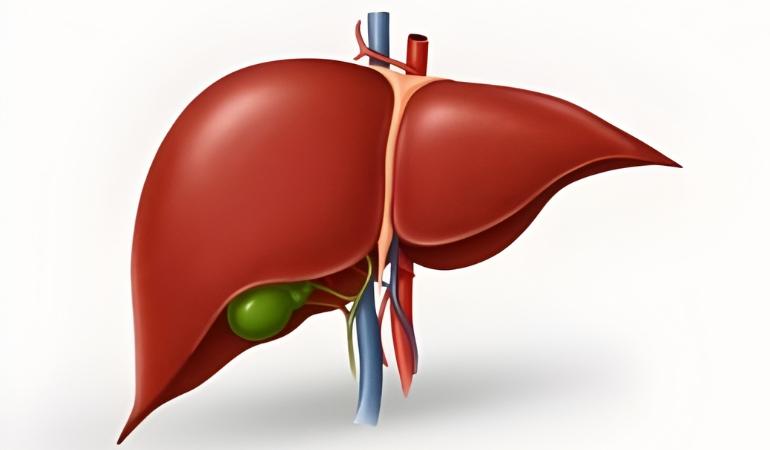
Stages of Liver Damage & Their Surgical Solutions: A Complete Guide
The liver is one of the body's most vital organs, responsible for processing nutrients, removing toxins, producing bile, and supporting essential metabolic functions. However, long-term infections, fatty liver disease, alcohol-related damage, and other medical conditions can gradually affect liver health.
Liver damage may progress through different stages, ranging from mild inflammation to advanced scarring and liver failure. Understanding these stages can help patients recognize the importance of early diagnosis and timely treatment.
For individuals seeking Liver Disease Treatment in Surat, knowing when medical management is sufficient and when surgical evaluation may be necessary can help them make informed healthcare decisions.
What Are the Stages of Liver Damage?
Liver damage does not always progress at the same rate in every patient. The severity depends on the underlying cause, lifestyle factors, and how early the condition is diagnosed.
Doctors commonly evaluate liver damage based on inflammation, fibrosis, cirrhosis, and the degree of liver function impairment.
Stage 1: Fatty Liver and Early Liver Changes
In the initial stage, excess fat accumulates inside liver cells. This condition is commonly known as fatty liver disease.
It may be associated with obesity, diabetes, high cholesterol, metabolic disorders, or alcohol consumption.
Common Symptoms
Many patients do not experience noticeable symptoms during this stage. Some may report:
-
Fatigue
-
Mild discomfort in the upper right abdomen
-
Reduced energy levels
Treatment Options
Early fatty liver disease can often be managed without surgery.
Treatment may include:
-
Weight management
-
Regular physical activity
-
A balanced diet
-
Control of diabetes and cholesterol
-
Avoiding alcohol when medically advised
At this stage, lifestyle changes and medical monitoring can help prevent further liver damage.
Stage 2: Liver Inflammation and Fibrosis
If the underlying cause of liver damage continues, inflammation may develop. Over time, repeated injury can lead to fibrosis, which means scar tissue begins forming in the liver.
Fibrosis can affect the liver's ability to function normally, although the organ may still perform many of its essential functions.
Common Symptoms
Symptoms may remain mild or absent. Some patients may experience:
-
Persistent tiredness
-
Loss of appetite
-
Abdominal discomfort
-
Abnormal liver blood test results
Treatment Options
Treatment focuses on controlling the cause of liver injury.
A specialist may recommend:
-
Medication for the underlying condition
-
Treatment for viral hepatitis, when indicated
-
Management of metabolic risk factors
-
Regular liver function tests
-
Imaging or FibroScan assessment
Surgery is generally not required for uncomplicated early fibrosis. The priority is to prevent progression and preserve healthy liver tissue.
Stage 3: Liver Cirrhosis
Cirrhosis is an advanced stage of liver scarring in which healthy liver tissue is gradually replaced by fibrous tissue.
This scarring can interfere with blood flow through the liver and reduce its ability to perform essential functions.
Cirrhosis may be classified as compensated or decompensated.
Compensated Cirrhosis
In compensated cirrhosis, the liver continues to perform many of its functions despite significant scarring.
Patients may not experience severe symptoms, making regular monitoring important.
Decompensated Cirrhosis
Decompensated cirrhosis occurs when the liver can no longer adequately manage its functions and complications develop.
Possible complications include:
-
Fluid accumulation in the abdomen
-
Jaundice
-
Bleeding from enlarged veins in the digestive tract
-
Confusion due to hepatic encephalopathy
-
Swelling in the legs
Treatment Options
Treatment depends on the cause and complications of cirrhosis.
It may involve:
-
Medication to manage complications
-
Dietary and lifestyle guidance
-
Endoscopic procedures for certain bleeding risks
-
Regular specialist monitoring
-
Evaluation for liver transplantation in advanced cases
A gastroenterologist or hepatologist may coordinate medical care, while a Gastro Surgeon in Surat can assess whether a surgical or procedural intervention is appropriate.
Stage 4: Advanced Liver Damage and Liver Failure
Advanced liver damage occurs when the liver loses a substantial amount of its functional capacity.
In severe cases, liver failure may develop. This can be a life-threatening condition requiring urgent medical evaluation.
Common Symptoms
Patients may experience:
-
Severe jaundice
-
Abdominal swelling
-
Persistent vomiting
-
Significant weakness
-
Confusion or altered consciousness
-
Easy bruising or bleeding
Sudden confusion, vomiting blood, severe abdominal swelling, or rapidly worsening jaundice requires emergency medical attention.
Treatment Options
Treatment may include intensive medical care to manage complications and support liver function.
For selected patients with irreversible advanced liver failure, liver transplantation may be considered.
A transplant evaluation involves assessing the patient's overall health, liver disease severity, suitability for surgery, and other medical factors.
What Are the Surgical Solutions for Liver Damage?
Not every stage of liver damage requires surgery. Many liver conditions can be treated with medication, lifestyle changes, and regular monitoring.
However, certain liver diseases may require surgical or minimally invasive treatment.
1. Liver Resection Surgery
Liver resection involves removing a portion of the liver affected by a tumor or other selected disease.
It may be considered for certain patients with:
-
Primary liver cancer
-
Selected metastatic liver tumors
-
Certain benign liver tumors causing complications
The decision depends on tumor location, liver function, and the amount of healthy liver tissue remaining.
2. Minimally Invasive Liver Surgery
In suitable patients, liver surgery may be performed using laparoscopic or other minimally invasive techniques.
These approaches may offer benefits such as smaller incisions and potentially faster recovery, depending on the procedure and patient's condition.
Not every liver operation is suitable for minimally invasive surgery. The surgical approach is selected after detailed evaluation.
3. Surgery for Liver Cysts and Selected Lesions
Some liver cysts or lesions may require treatment if they cause symptoms, complications, or have concerning features.
The treatment may involve observation, specialized procedures, or surgery depending on the diagnosis.
4. Treatment of Portal Hypertension Complications
Advanced cirrhosis can cause increased pressure in the blood vessels supplying the liver, known as portal hypertension.
Certain complications may require endoscopic or interventional procedures. In selected cases, specialized surgical or radiological treatments may be considered.
5. Liver Transplant Surgery
Liver transplantation is a major surgical procedure in which a diseased liver is replaced with a healthy donor liver or a suitable portion of one.
It may be recommended for selected patients with:
-
End-stage liver disease
-
Certain cases of acute liver failure
-
Specific liver cancers that meet transplant criteria
A transplant is not required for every patient with cirrhosis. Careful assessment by a multidisciplinary team is essential.
When Should You Consult a Gastro Surgeon in Surat?
You should consider specialist consultation if you have been diagnosed with advanced liver disease, a liver tumor, or a condition that may require surgical treatment.
A Gastro Surgeon in Surat may help evaluate:
-
Liver tumors and cancer
-
Complex liver cysts
-
Conditions requiring hepatobiliary surgery
-
Bile duct disorders
-
Advanced liver disease requiring surgical assessment
-
Eligibility for selected liver procedures or transplant evaluation
Early specialist consultation can help patients understand available treatment options and avoid unnecessary delays.
Liver Disease Treatment in Surat at Dr. Niket Shah's Clinic
Dr. Niket Shah provides consultation and surgical evaluation for liver, pancreas, and gastrointestinal conditions in Surat.
Patients seeking Liver Disease Treatment in Surat can receive guidance regarding diagnostic investigations, medical management, and appropriate surgical options based on their condition.
The treatment approach may include:
-
Detailed clinical evaluation
-
Review of liver function and imaging reports
-
Assessment of liver tumors and hepatobiliary conditions
-
Individualized treatment planning
-
Surgical consultation when required
-
Follow-up and recovery guidance
For more information, visit:
Liver Disease Treatment in Surat – Dr. Niket Shah
How Can You Prevent Liver Damage from Progressing?
Although not every liver condition can be prevented, several lifestyle measures can help protect liver health.
-
Maintain a healthy body weight.
-
Follow a balanced diet.
-
Exercise regularly.
-
Avoid excessive alcohol consumption.
-
Get vaccinated against hepatitis A and B when recommended.
-
Manage diabetes and cholesterol.
-
Avoid unnecessary medicines and unverified supplements.
-
Attend regular medical checkups if you have liver disease.
Patients with diagnosed liver damage should follow their specialist's recommendations and avoid self-medication.
Frequently Asked Questions
1. What are the early stages of liver damage?
Early liver damage may involve fat accumulation, inflammation, or mild fibrosis. These stages may not cause obvious symptoms, which is why medical testing is important for people with risk factors.
2. Can liver damage be reversed?
Some early liver changes, such as uncomplicated fatty liver, may improve when the underlying cause is addressed. Advanced scarring or cirrhosis is generally not fully reversible, but treatment can help manage the condition and reduce complications.
3. Does every patient with liver cirrhosis need surgery?
No. Many patients with cirrhosis are managed with medication, lifestyle changes, and monitoring. Surgery or transplantation is considered only when clinically appropriate.
4. When is liver transplant surgery required?
A liver transplant may be considered for selected patients with advanced liver failure or certain liver cancers. Eligibility depends on a detailed medical evaluation.
5. Where can I get Liver Disease Treatment in Surat?
Dr. Niket Shah offers consultation and surgical evaluation for liver and gastrointestinal conditions in Surat. Visit the official website to learn more about available treatment services.
Conclusion
Liver damage can progress from mild fatty liver changes to inflammation, fibrosis, cirrhosis, and advanced liver failure. The treatment required depends on the stage of the disease and the patient's overall health.
Early diagnosis, appropriate medical management, and regular monitoring can help protect liver function. When surgery is necessary, specialized procedures such as liver resection or transplantation may be considered for selected patients.
If you are looking for Liver Disease Treatment in Surat, consult a qualified specialist to understand your diagnosis and available treatment options.
Dr. Niket Shah provides specialized evaluation for liver and hepatobiliary conditions, helping patients make informed decisions about their care.

 English
 Arabic
 French
 Spanish
 Portuguese
 Deutsch
 Turkish
 Italiano
 Russian
 Romaian
 Portuguese (Brazil)
 Greek
