


Exploring Advanced Body Contouring Options for Different Fat Deposits
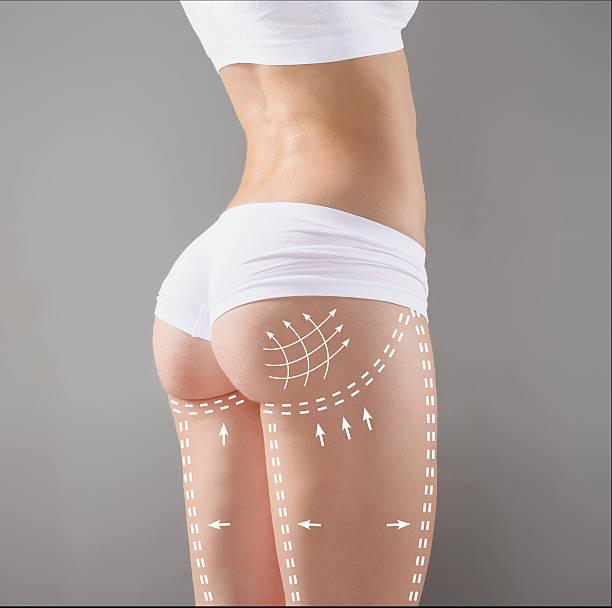
Body shape and fat distribution vary from person to person. Some individuals notice stubborn fat around the abdomen, while others experience fat accumulation in the thighs, hips, arms, back, or chin. Even with regular exercise and a balanced diet, certain areas may remain resistant to lifestyle changes. This is one reason why modern body contouring procedures have become an important consideration for individuals seeking more defined body proportions.
Liposuction in Riyadh (عملية شفط الدهون في الرياض) is an increasingly discussed option for people interested in surgical fat removal and body reshaping. With developments in cosmetic surgery, different approaches are available to address specific fat deposits while considering individual anatomy and aesthetic preferences. Understanding these options, their suitability, and the treatment process can help individuals make informed decisions about their body contouring goals.
Understanding Different Types of Fat Deposits
Fat distribution is influenced by several factors, including genetics, hormones, age, lifestyle, and body composition. Some people naturally accumulate fat around the waist, while others notice more prominent deposits in the lower body or upper arms. These differences explain why body contouring treatments require an individualized approach.
Subcutaneous fat is located beneath the skin and is the primary type of fat targeted during traditional liposuction. It can create visible fullness in areas such as the abdomen, flanks, thighs, and upper arms. Visceral fat, on the other hand, surrounds internal organs and cannot be directly removed through conventional liposuction.
Understanding this distinction is important when considering cosmetic fat removal. A professional assessment helps determine whether visible fullness comes from localized subcutaneous fat, loose skin, muscle structure, or other factors. This evaluation also helps establish realistic expectations about the changes a procedure may achieve.
How Modern Liposuction Approaches Body Contouring
Liposuction is a surgical procedure designed to remove localized deposits of fat and improve body contours. Rather than serving as a general weight-loss treatment, it focuses on reshaping selected areas where stubborn fat affects overall proportions.
During the procedure, a surgeon uses a small instrument called a cannula to loosen and remove fat through controlled suction. The technique, incision placement, and amount of fat removed depend on the treatment area and the individual's anatomy.
Modern approaches emphasize precision, careful planning, and balanced results. The objective is not simply to remove as much fat as possible but to create smoother transitions between treated and untreated areas. Maintaining natural body proportions is an important part of successful surgical planning.
For individuals exploring Liposuction in Riyadh, understanding the available techniques can provide a clearer picture of how treatment may be adapted to different body concerns.
Advanced Body Contouring Options for Different Areas
Different body regions require different surgical considerations. Fat deposits around the abdomen may need a different approach from those around the thighs, arms, or chin. The surgeon considers the thickness of the fat layer, skin elasticity, body proportions, and expected contour changes before recommending an appropriate technique.
Abdominal Liposuction
The abdomen is one of the most common areas where individuals experience stubborn fat accumulation. Even after making lifestyle adjustments, localized fullness around the upper or lower abdomen may remain.
Abdominal liposuction focuses on reducing selected fat deposits to create a more defined waistline and flatter appearance. The surgeon evaluates the distribution of fat and skin condition to determine whether liposuction alone is suitable.
It is important to understand that abdominal liposuction does not repair separated abdominal muscles or remove significant excess skin. Individuals with these concerns may require a different surgical approach.
Waist and Flank Contouring
Fat around the waist and flanks can affect the body's overall silhouette. These deposits may create fullness around the sides of the abdomen and reduce the appearance of natural waist definition.
Targeted liposuction can help refine these areas by removing selected fat deposits. Careful treatment planning is particularly important because the waist connects the upper and lower body. Balanced contouring helps maintain natural proportions rather than creating an exaggerated appearance.
Thigh Liposuction
The inner and outer thighs can develop localized fat deposits that influence leg proportions. Some individuals experience fullness around the inner thighs, while others notice more prominent deposits along the outer thighs.
Thigh liposuction aims to improve the contours of these areas through controlled fat removal. Skin elasticity is an important consideration because removing fat from areas with limited skin firmness may result in loose or uneven skin.
Arm Liposuction
Fat accumulation around the upper arms can create a fuller appearance, particularly along the back and inner portions. Arm liposuction may be considered when localized fat contributes to this concern.
The procedure focuses on reducing excess fat while maintaining smooth arm contours. However, individuals with considerable loose skin may not achieve their desired results through liposuction alone. A surgeon may discuss additional procedures when appropriate.
Back and Chin Contouring
The back can develop localized fat deposits around the upper back, bra line, and lower back. These areas may remain prominent despite regular physical activity.
Liposuction can address selected deposits to create a smoother transition between the back and waist. Similarly, chin liposuction may help reduce excess fat beneath the chin, improving the appearance of the jawline and neck.
The suitability of either procedure depends on the amount of fat present, skin quality, and individual facial or body anatomy.
Exploring Different Liposuction Techniques
Developments in cosmetic surgery have introduced several approaches to fat removal. Each technique has specific characteristics, and the most appropriate option depends on the treatment area, surgical objectives, and patient suitability.
Traditional Liposuction
Traditional liposuction uses a cannula connected to a suction system to remove unwanted fat. It remains an established method for addressing localized fat deposits in different body regions.
The surgeon controls the movement of the cannula to remove fat while shaping the surrounding area. Treatment planning and surgical experience play important roles in achieving balanced contours.
Tumescent Liposuction
Tumescent liposuction involves injecting a specially prepared fluid into the targeted area before fat removal. The solution typically contains saline, a local anesthetic, and a medication that helps reduce bleeding.
The fluid causes the treated area to become swollen and firm, allowing the surgeon to remove fat under controlled conditions. This technique is commonly incorporated into modern liposuction procedures.
Ultrasound-Assisted Liposuction
Ultrasound-assisted liposuction uses energy to help break down fat before it is removed. This approach may be considered for selected areas, depending on the patient's anatomy and the surgeon's assessment.
The technique requires appropriate training and careful energy control to reduce the risk of thermal injury. Its suitability varies according to the treatment area and individual circumstances.
Power-Assisted Liposuction
Power-assisted liposuction uses a specialized cannula that moves rapidly to assist with fat removal. These movements can help the surgeon work through targeted fat deposits with controlled precision.
It may be considered when treating larger areas or deposits that require more detailed contouring. The choice between techniques should be based on clinical assessment rather than the assumption that one method is suitable for everyone.
Who May Be Suitable for Liposuction?
Liposuction may be appropriate for adults who have localized fat deposits and are close to their preferred body weight. Individuals with relatively good skin elasticity may be more likely to achieve smoother contours after fat removal.
Good general health, realistic expectations, and an understanding of the procedure are also important considerations. People seeking substantial weight reduction may benefit more from a medically supervised weight-management approach than from cosmetic fat removal.
A consultation is necessary to assess medical history, current medications, skin quality, fat distribution, and personal goals. The surgeon can then explain whether liposuction is appropriate or whether another treatment may better address the concern.
What Happens During the Liposuction Procedure?
The treatment process generally begins with a consultation and physical assessment. The surgeon identifies the areas of concern, discusses suitable techniques, and explains the expected outcome.
On the day of surgery, the procedure is performed using an appropriate form of anesthesia. Small incisions are made near the treatment area, allowing the cannula to reach the targeted fat deposits. The surgeon carefully removes fat while considering the natural shape of the surrounding tissues.
The procedure's duration depends on the number of areas being treated, the surgical technique, and individual requirements. After fat removal, the incisions are managed appropriately, and compression garments may be recommended to support the healing process.
Patients receive postoperative instructions covering wound care, physical activity, medication, and follow-up appointments.
Recovery and Results After Body Contouring
Recovery after liposuction varies according to the treatment area, amount of fat removed, surgical technique, and individual healing response. Swelling, bruising, tenderness, and temporary changes in sensation are common during the initial recovery period.
Compression garments are often recommended to help manage swelling and support the treated tissues. Light movement may be encouraged, while strenuous activities should be avoided until the surgeon confirms that it is safe to resume them.
Initial changes may become noticeable as swelling decreases, but final contours can take several months to develop. Maintaining a stable weight through balanced nutrition and regular physical activity can help preserve the results.
It is also important to understand that liposuction does not prevent future weight gain. Remaining fat cells can enlarge if body weight increases significantly.
Potential Risks and Important Considerations
Although liposuction is a commonly performed cosmetic procedure, it is still surgery and involves potential risks. These may include infection, bleeding, fluid accumulation, irregular contours, prolonged swelling, changes in skin sensation, and complications related to anesthesia.
More serious complications, although less common, can include blood clots, fluid imbalance, and injury to surrounding structures. The likelihood of complications depends on several factors, including health status, surgical technique, and the extent of treatment.
Choosing a properly qualified plastic surgeon and an appropriately equipped surgical facility is essential. Patients should discuss potential complications, recovery expectations, and available alternatives before making a decision.
Choosing the Right Approach to Liposuction in Saudi Arabia
When researching Liposuction in Riyadh, individuals should consider more than the name of a particular technique. The surgeon's qualifications, experience with the intended treatment area, surgical planning, and patient safety standards are all important.
A detailed consultation provides an opportunity to discuss body contouring goals and determine whether the procedure is suitable. Patients should also ask about anesthesia, postoperative care, expected recovery, and how complications are managed.
Across Saudi Arabia, cosmetic treatment decisions should be guided by accurate medical information and realistic expectations. The most appropriate procedure is the one that addresses the individual's concerns while prioritizing health, safety, and natural-looking outcomes.
Frequently Asked Questions
What areas can liposuction treat?
Liposuction can address localized fat deposits in areas such as the abdomen, waist, flanks, thighs, upper arms, back, and beneath the chin. The appropriate treatment areas depend on individual anatomy and medical suitability.
Is liposuction in Riyadh a weight-loss procedure?
No. Liposuction is designed to remove localized fat and improve body contours rather than produce significant overall weight loss. It is generally considered for individuals who are near their preferred body weight but have stubborn fat deposits.
What is the difference between traditional and advanced liposuction?
Traditional liposuction uses a cannula and suction to remove fat, while advanced approaches may incorporate ultrasound energy or powered instruments. Each method has different applications, and the surgeon determines which technique is appropriate.
How long does recovery take after liposuction?
Recovery varies depending on the treatment area and extent of surgery. Many individuals gradually resume normal daily activities within days or weeks, while swelling and final contour changes may take several months to settle.
Are liposuction results permanent?
The fat cells removed during liposuction do not return. However, remaining fat cells can enlarge with weight gain. Maintaining a stable weight and healthy lifestyle helps preserve the results.
How can someone prepare for liposuction in Saudi Arabia?
Preparation begins with a consultation, medical evaluation, and discussion of treatment expectations. Patients should follow their surgeon's instructions regarding medications, smoking, nutrition, and activity before surgery.
Conclusion
Modern body contouring offers different approaches for individuals concerned about stubborn fat deposits in specific areas. From abdominal and thigh reshaping to arm, back, and chin contouring, liposuction can help refine body proportions when performed on appropriately selected candidates. Understanding the available techniques, recovery process, and potential risks is essential before considering surgery.
For individuals researching Liposuction in Riyadh or exploring cosmetic procedures across Saudi Arabia, informed decision-making should remain the priority. A personalized consultation with a qualified specialist can help identify suitable treatment options and establish realistic expectations. Enfield Royal Clinic Saudi is also a name individuals may explore when researching cosmetic surgery and body contouring services in Saudi Arabia.

 English
 Arabic
 French
 Spanish
 Portuguese
 Deutsch
 Turkish
 Dutch
 Italiano
 Romaian
 Portuguese (Brazil)
 Greek
