


A Complete Guide to Radiation Therapy in Cancer Care
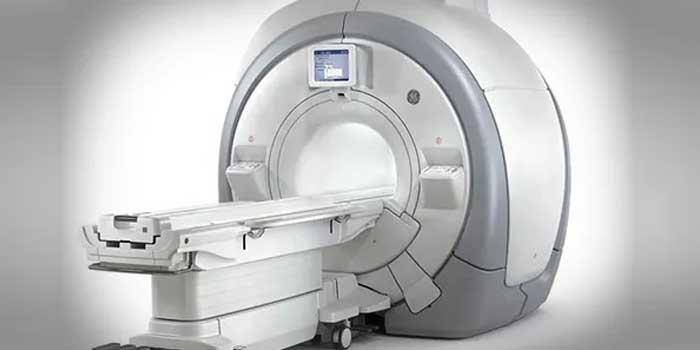
A cancer diagnosis can bring many questions and uncertainties for patients and their families. Understanding the available treatment options is an important step toward making informed healthcare decisions. One commonly recommended approaches in cancer care is radiation therapy, which uses carefully controlled energy to target cancer cells.
Radiation Oncology Treatment is an important part of modern cancer management. It may be recommended on its own or alongside surgery, chemotherapy, immunotherapy, or other treatments, depending on the type and stage of cancer. Learning how this therapy works can help patients feel more prepared and confident throughout their treatment journey.
What Is Radiation Therapy?
Radiation therapy is a cancer treatment that uses high-energy radiation, such as X-rays or other forms of energy, to damage the DNA of cancer cells. This prevents them from growing and dividing normally, eventually causing them to die.
The treatment is carefully planned to deliver radiation to the affected area while limiting exposure to surrounding healthy tissues. Although some healthy cells may also be affected, many can repair radiation-related damage more effectively than cancer cells.
Doctors recommend this approach based on several factors, including cancer type, tumour location, disease stage, overall health, and individual treatment goals.
How Does Radiation Therapy Work?
Radiation therapy works by delivering controlled doses of radiation to a specific area of the body. The radiation damages the genetic material inside cancer cells, reducing their ability to multiply.
The effects may develop gradually, and cancer cells can continue to die for weeks or months after treatment has finished.
Depending on the patient's condition, radiation therapy may serve different purposes:
-
Curative treatment: Used with the intention of eliminating cancer, either alone or alongside other treatments.
-
Adjuvant treatment: Recommended after surgery to destroy remaining cancer cells and reduce the risk of recurrence.
-
Neoadjuvant treatment: Given before surgery to shrink a tumour and potentially make removal easier.
-
Palliative treatment: Used to relieve symptoms such as pain, bleeding, or pressure caused by cancer.
The treatment goal is discussed with patients before therapy begins.
Different Types of Radiation Therapy
Radiation therapy can be delivered using different techniques. The choice depends on the cancer type, tumour size, location, and treatment requirements.
Some commonly used approaches include:
1. External Beam Radiation Therapy
This method uses a machine outside the body to direct radiation towards the tumour. Patients usually attend scheduled treatment sessions over several days or weeks.
2. Intensity-Modulated Radiation Therapy (IMRT)
IMRT uses advanced planning and computer-controlled radiation delivery to adjust the intensity of radiation beams. It helps shape the dose around the tumour while reducing exposure to nearby healthy tissues.
3. Image-Guided Radiation Therapy (IGRT)
IGRT uses imaging during treatment sessions to help confirm the tumour's position. This supports accurate radiation delivery, particularly when the target location may change.
4. Stereotactic Radiation Therapy
This technique delivers highly focused radiation in a small number of treatment sessions. It may be suitable for selected tumours in the brain or other parts of the body.
5. Brachytherapy
Brachytherapy involves placing a radioactive source inside or close to the tumour. It is used for certain cancers, including cervical, prostate, and other selected cancer types.
What Happens Before Treatment Begins?
Preparation is an important part of cancer radiation therapy. Before starting, the radiation oncologist reviews medical records, diagnostic reports, imaging results, and the patient's overall health.
A planning procedure called simulation may be performed to determine the exact treatment position and target area. CT scans or other imaging methods help specialists prepare an individualized treatment plan.
Patients may also receive instructions about positioning, skin care, nutrition, and other precautions. It is important to discuss existing health conditions, medications, and any concerns with the healthcare team.
Common Side Effects and How to Manage Them
Side effects vary depending on the radiation dose, treatment area, duration, and individual health factors. Some patients experience mild effects, while others may require additional medical support.
Common side effects include:
-
Fatigue: Feeling unusually tired during or after treatment.
-
Skin changes: Redness, dryness, itching, or irritation in the treated area.
-
Appetite changes: Reduced appetite or difficulty eating comfortably.
-
Digestive problems: Nausea, diarrhoea, or abdominal discomfort when certain areas are treated.
-
Mouth and throat discomfort: Soreness or difficulty swallowing when the head or neck region is treated.
Patients should report new or worsening symptoms to their healthcare team. Following recommended skin care instructions, eating balanced meals, drinking sufficient fluids, and getting adequate rest may help manage certain side effects.
The Importance of Family Support During Treatment
Cancer treatment can affect emotional well-being as much as physical health. Patients may experience anxiety, uncertainty, or stress while adjusting to repeated hospital visits and treatment-related changes.
Family members can provide valuable support by accompanying patients to appointments, helping with daily activities, maintaining a comfortable home environment, and encouraging open communication.
Caregivers should also understand the treatment schedule, possible side effects, and warning signs that require medical attention. Emotional support and practical assistance can make the treatment journey more manageable.
Recovery and Follow-Up Care
Recovery after radiation therapy varies from person to person. Some side effects improve gradually after treatment, while others may take longer to resolve. Certain late effects can also develop months or years later, depending on the treatment area.
Regular follow-up appointments help doctors evaluate treatment response, monitor recovery, and identify potential complications. Patients should attend scheduled reviews and report persistent or unusual symptoms.
Maintaining healthy habits, staying physically active as advised, eating nutritious foods, and avoiding tobacco can support general well-being during recovery.
Conclusion
Understanding cancer treatment options helps patients and families approach medical decisions with greater clarity. Radiation therapy plays an important role in managing several types of cancer, but its suitability and expected benefits vary according to individual medical circumstances.
A clear discussion with a qualified radiation oncologist can help patients understand treatment goals, possible side effects, and recovery expectations. Choosing a healthcare provider should involve considering medical expertise, available facilities, treatment planning, and patient support.
ICCG India provides cancer care services in Chennai, with an emphasis on supporting patients through their treatment journey. For families exploring cancer care, understanding available services and discussing individual treatment needs with qualified specialists can help guide informed decisions.

 English
 Arabic
 French
 Spanish
 Portuguese
 Deutsch
 Turkish
 Italiano
 Russian
 Romaian
 Portuguese (Brazil)
 Greek
