


Which Neurology Subjects Should Doctors Study to Build Advanced Knowledge?
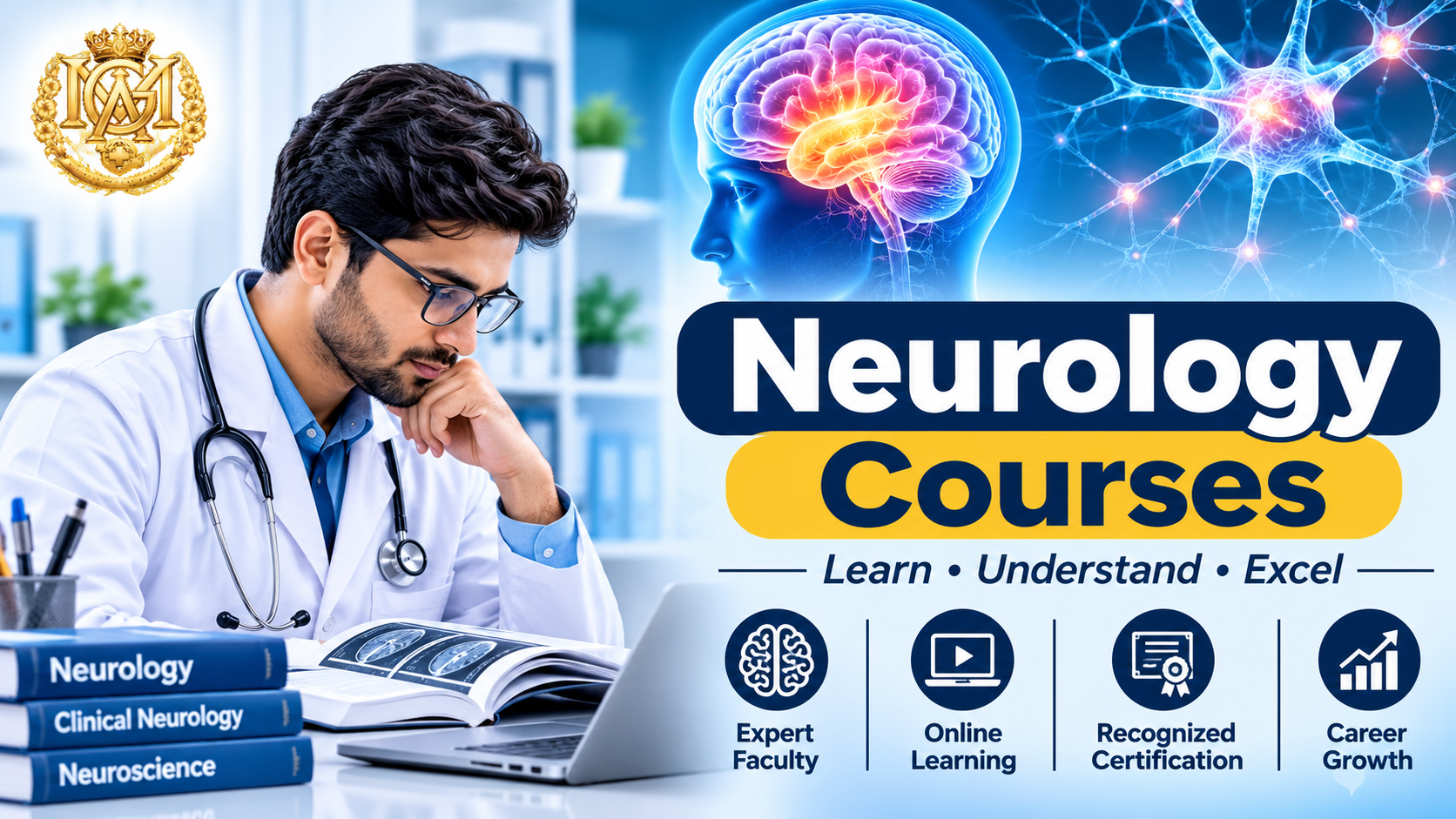
The brain is often described as the command centre of the human body, and for good reason. It influences how we think, move, remember, communicate, and respond to our surroundings. But understanding this remarkable organ isn't as simple as learning a few anatomical terms. The nervous system involves countless interconnected structures and processes, and even a minor disruption can influence several body functions. For doctors interested in developing deeper medical knowledge, exploring neurological science can open up an entirely new academic perspective. Structured learning, supported by neurology courses, can help medical professionals understand important concepts, explore specialised subjects, and stay familiar with developments in this constantly evolving field.
Why Should Doctors Build Advanced Knowledge of Neurology?
Neurology has connections with almost every major area of medicine. The nervous system controls and coordinates numerous body activities, from voluntary movements to automatic functions such as breathing and heart rate.
A deeper understanding of neurological science can help doctors explore:
-
Brain function: How different regions of the brain contribute to memory, language, movement, and decision-making.
-
Nerve communication: How electrical and chemical signals travel throughout the nervous system.
-
Neurological disorders: Why certain conditions affect movement, sensation, cognition, or coordination.
-
Brain development: How the nervous system develops and changes throughout life.
-
Medical research: How scientific discoveries contribute to a better understanding of neurological diseases.
Rather than studying each condition in isolation, doctors can develop a broader understanding of the mechanisms connecting different neurological functions.
Important Neurology Subjects Doctors Should Study
Building advanced knowledge starts with the fundamentals. Once these concepts are clear, more specialised areas become easier to understand.
1. Neuroanatomy
Neuroanatomy focuses on the structure of the brain, spinal cord, and peripheral nervous system. It's one of the most important foundations for anyone exploring neurological science.
Key topics include:
-
Cerebrum and its functional regions.
-
Cerebellum and motor coordination.
-
Brainstem and its essential functions.
-
Spinal cord structure.
-
Cranial nerves and their pathways.
Understanding these structures helps doctors explore how different parts of the nervous system contribute to specific activities.
2. Neurophysiology
While neuroanatomy explains how the nervous system is organised, neurophysiology explores how it works.
This subject examines how neurons communicate through electrical impulses and chemical signals. It also covers how sensory information is processed and how the brain coordinates responses.
Important concepts include neuronal signalling, action potentials, synaptic transmission, and sensory and motor pathways.
3. Cerebrovascular Neurology
The brain needs a continuous supply of oxygen and nutrients through blood circulation. When this supply is interrupted, neurological functions may be affected.
Doctors should become familiar with subjects such as:
-
Ischaemic stroke.
-
Haemorrhagic stroke.
-
Transient ischaemic attacks.
-
Cerebral aneurysms.
-
Cerebral vascular abnormalities.
Studying these conditions provides useful knowledge about the relationship between cerebral circulation and neurological function.
4. Epilepsy and Seizure Disorders
Epilepsy involves a tendency to experience recurrent seizures associated with abnormal electrical activity in the brain. However, seizures can differ in their characteristics, duration, and underlying mechanisms.
This subject includes seizure classification, EEG principles, different epilepsy syndromes, and the neurological processes involved in seizure activity.
5. Neurodegenerative Diseases
Neurodegenerative diseases involve progressive damage or dysfunction of nerve cells. These conditions may affect memory, movement, behaviour, and other neurological functions.
Some important examples are:
-
Alzheimer's disease.
-
Parkinson's disease.
-
Huntington's disease.
-
Amyotrophic lateral sclerosis.
-
Other progressive neurological conditions.
Understanding these diseases helps doctors explore how changes at the cellular level can influence the functioning of the entire nervous system.
How Structured Learning Supports Advanced Neurological Knowledge
Studying neurological science requires more than memorising medical terminology. Doctors need to understand how different subjects connect.
For instance, learning about Parkinson's disease becomes more meaningful when combined with knowledge of neuroanatomy, neurotransmitters, and the brain circuits involved in movement.
At this stage, neurology courses can offer a structured academic route for exploring fundamental and specialised topics. Depending on the curriculum, these programmes may cover neurological disorders, advanced neuroscience concepts, research developments, and other relevant subjects.
A well-organised learning programme may help doctors:
-
Strengthen their understanding of complex neurological concepts.
-
Explore different areas of neurological specialisation.
-
Become familiar with emerging scientific research.
-
Connect basic medical knowledge with advanced subjects.
-
Follow a planned learning structure through lectures and assessments.
The important thing is to choose a programme based on its actual academic content, faculty, and learning objectives rather than its title alone.
Online Neurology Courses: Flexible Learning for Medical Professionals
Online Neurology Courses can provide a flexible academic learning format for doctors who want to explore neurological subjects alongside their existing professional responsibilities.
Depending on the programme, online learning may include:
Live Academic Sessions
Live lectures can provide opportunities to understand complex subjects, discuss academic concepts, and interact with faculty members.
Recorded Learning Materials
Recorded sessions allow doctors to revisit difficult topics whenever their schedules permit. This can be particularly useful when studying subjects such as neurophysiology or neurogenetics.
Structured Assessments
Quizzes, assignments, and examinations may help learners review important concepts and identify areas that need further study.
Access to Updated Study Resources
Relevant reading materials and research references can help doctors remain familiar with developments in neurological science.
Before enrolling, it's worth checking the syllabus, programme duration, faculty credentials, accreditation claims, and assessment structure.
Specialised Areas Within Neurological Science
Neurology includes several specialised branches. Exploring these areas can help doctors understand the breadth of the speciality and identify subjects that match their academic interests.
| Specialisation | Main Area of Study |
|---|---|
| Neuro-oncology | Tumours affecting the brain and nervous system |
| Paediatric neurology | Neurological conditions in children |
| Neuroimmunology | Immune-related disorders of the nervous system |
| Epileptology | Epilepsy and seizure disorders |
| Movement disorders | Conditions affecting movement and coordination |
| Vascular neurology | Disorders involving cerebral circulation |
| Neurogenetics | Genetic influences on neurological conditions |
Each specialisation offers a different perspective on the nervous system, making neurology a broad and continually developing medical field.
Emerging Topics Doctors Should Keep an Eye On
Neurological research doesn't stand still. New technologies and scientific discoveries are creating fresh opportunities to understand the brain.
Some interesting developments include:
-
Artificial intelligence in neuroimaging: Researchers are exploring AI-assisted analysis of complex brain images.
-
Brain-computer interfaces: These technologies investigate how brain signals can interact with external devices.
-
Neuroplasticity: Research examines how the nervous system adapts and reorganises its connections.
-
Precision neurology: Scientists are studying how individual biological and genetic differences influence neurological conditions.
-
Digital neuroscience: Digital tools are expanding opportunities for neurological research and data analysis.
Following these developments can help doctors maintain a broader understanding of modern neurological science.
Frequently Asked Questions
1. Which subjects are most important for studying neurology?
Important subjects include neuroanatomy, neurophysiology, cerebrovascular neurology, epilepsy, neurodegenerative diseases, neurogenetics, and movement disorders.
2. Why is neurophysiology important for doctors?
Neurophysiology explains how nerve cells communicate and how the nervous system controls different body functions. It provides a scientific foundation for understanding many neurological conditions.
3. What are the major specialisations within neurology?
Some major areas include paediatric neurology, neuro-oncology, epileptology, vascular neurology, neuroimmunology, and movement disorders.
4. Can doctors study neurological subjects through online programmes?
Yes. Online academic programmes may offer live lectures, recorded sessions, assessments, and study resources. Doctors should evaluate the curriculum and learning outcomes before choosing one.
5. Why is continuous learning important in neurology?
Neurological research and medical technologies continue to evolve. Continuous learning helps doctors stay familiar with new scientific concepts and developments.
Conclusion
Advanced knowledge of neurology comes from understanding how different parts of the nervous system work together. From neuroanatomy and neurophysiology to specialised areas such as epilepsy, neurogenetics, and neurodegenerative diseases, every subject contributes to a wider picture.
For doctors, a structured approach to academic learning can make these complex topics easier to explore. By strengthening their fundamentals, following new research, and studying specialised branches, medical professionals can continue expanding their understanding of neurological science. After all, the brain still holds many unanswered questions, and that's precisely what makes this field so fascinating.

 English
 Arabic
 Spanish
 Portuguese
 Deutsch
 Turkish
 Dutch
 Italiano
 Russian
 Romaian
 Portuguese (Brazil)
 Greek
