


How Blockchain Traceability Connects Data Across Seafood and Medical Supply Chains
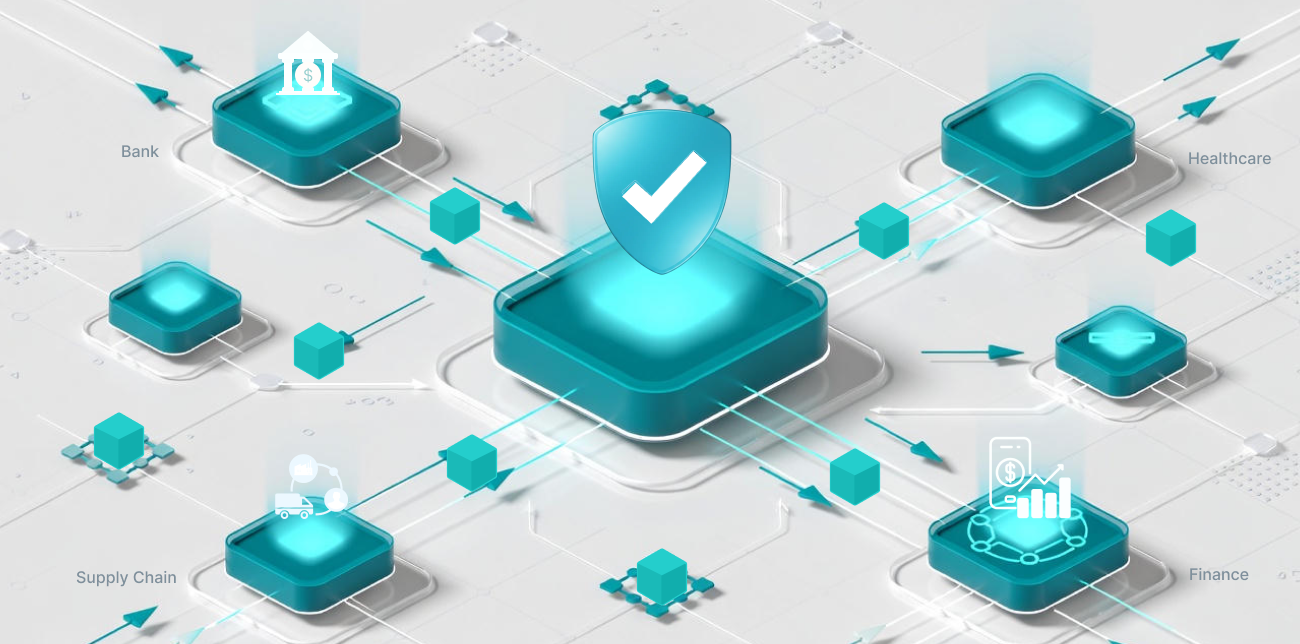
Modern supply chains involve manufacturers, suppliers, processors, distributors and retailers. Each participant may use a different system to record product information, making it difficult to maintain consistent and accessible records. Blockchain traceability offers a structured approach to sharing supply chain events, improving visibility and creating reliable records across multiple organisations.
A Blockchain Traceability Development Company can help businesses design solutions that connect these separate data sources while maintaining controlled access to important product information. Rather than relying on disconnected spreadsheets and manual updates, organisations can build a shared record of product movement and key supply chain activities.
Why Supply Chain Data Coordination Matters
One major challenge in product traceability is that information often becomes fragmented between different business partners. A manufacturer may record production details in an ERP system, while a logistics provider maintains separate shipment records. Without effective integration, verifying the complete product journey can require time-consuming communication.
Blockchain-based systems can help coordinate these records by creating time-stamped, tamper-evident entries. Permissioned access allows authorised participants to view or update relevant information according to their roles.
Integration with existing ERP platforms, IoT devices and inventory systems can further reduce manual data entry and support more consistent information sharing.
Improving Seafood Origin and Handling Visibility
Seafood businesses need to maintain information about where products originate, how they are processed and how they reach buyers. A Fish Traceability Services Provider can help develop digital workflows for recording important events throughout this journey.
A seafood traceability solution may capture:
-
Catch location, date and vessel identification.
-
Processing and packaging details.
-
Batch numbers and product movement.
-
Transportation and storage information.
-
Temperature readings from connected monitoring devices.
For example, if a shipment experiences a temperature deviation during transportation, connected monitoring systems can record the event for review. This helps authorised teams investigate handling conditions and identify where further checks may be required.
QR codes can also connect product batches with selected traceability information, helping distributors, retailers and consumers access relevant origin details.
Strengthening Medical Product Tracking
Medical and pharmaceutical supply chains require careful product identification, distribution records and controlled information access. Medical Traceability Solution Development Services can support digital systems that track product batches from manufacturing through distribution.
A blockchain-enabled solution may help organisations maintain:
-
Manufacturing batch and serial number records.
-
Product dispatch and receiving information.
-
Distribution and inventory movement.
-
Verification events across authorised participants.
-
Records that support investigation and recall workflows.
If a product batch needs investigation, authorised teams can use connected records to identify relevant distribution events and narrow down where the affected products may have moved.
Sensitive patient information should not be stored directly on a public blockchain. Instead, systems should use suitable privacy controls and secure off-chain storage for confidential information.
Important Factors When Developing a Traceability Platform
A successful traceability platform requires more than selecting blockchain technology. Businesses should first define which events need recording, who can access the information and how existing software will connect.
Key considerations include data accuracy, participant permissions, integration requirements, scalability and system maintenance. Blockchain records can make submitted information tamper-evident, but they cannot independently confirm whether the original data entered by a participant is correct. Validation processes and reliable data sources remain essential.
Conclusion
Blockchain traceability can help seafood and medical businesses coordinate supply chain information, improve product visibility and maintain accessible records across multiple participants. With appropriate system integration, access controls and data validation, organisations can build traceability workflows suited to their operational requirements.
PrimaFelicitas provides blockchain development expertise for businesses exploring digital traceability solutions. Learn more about its Blockchain Traceability Software services:
https://primafelicitas.com/what-we-do/blockchain-traceability-software
Frequently Asked Questions
1. What does a Blockchain Traceability Development Company do?
It develops blockchain-based systems that help organisations record, share and verify supply chain events across authorised participants.
2. How can fish traceability software support seafood businesses?
It can record catch details, processing events, batch information, transportation records and relevant storage conditions.
3. Why are medical traceability solutions important?
They help organisations track product batches, maintain distribution records and support investigations or product recall workflows.
4. Can blockchain integrate with existing supply chain software?
Yes. Depending on the platform architecture, blockchain solutions can integrate with ERP systems, inventory platforms, APIs and IoT devices.

 English
 Arabic
 French
 Spanish
 Portuguese
 Deutsch
 Turkish
 Dutch
 Italiano
 Russian
 Romaian
 Portuguese (Brazil)
