


Jaw Surgery in Islamabad: Patient Treatment Guide
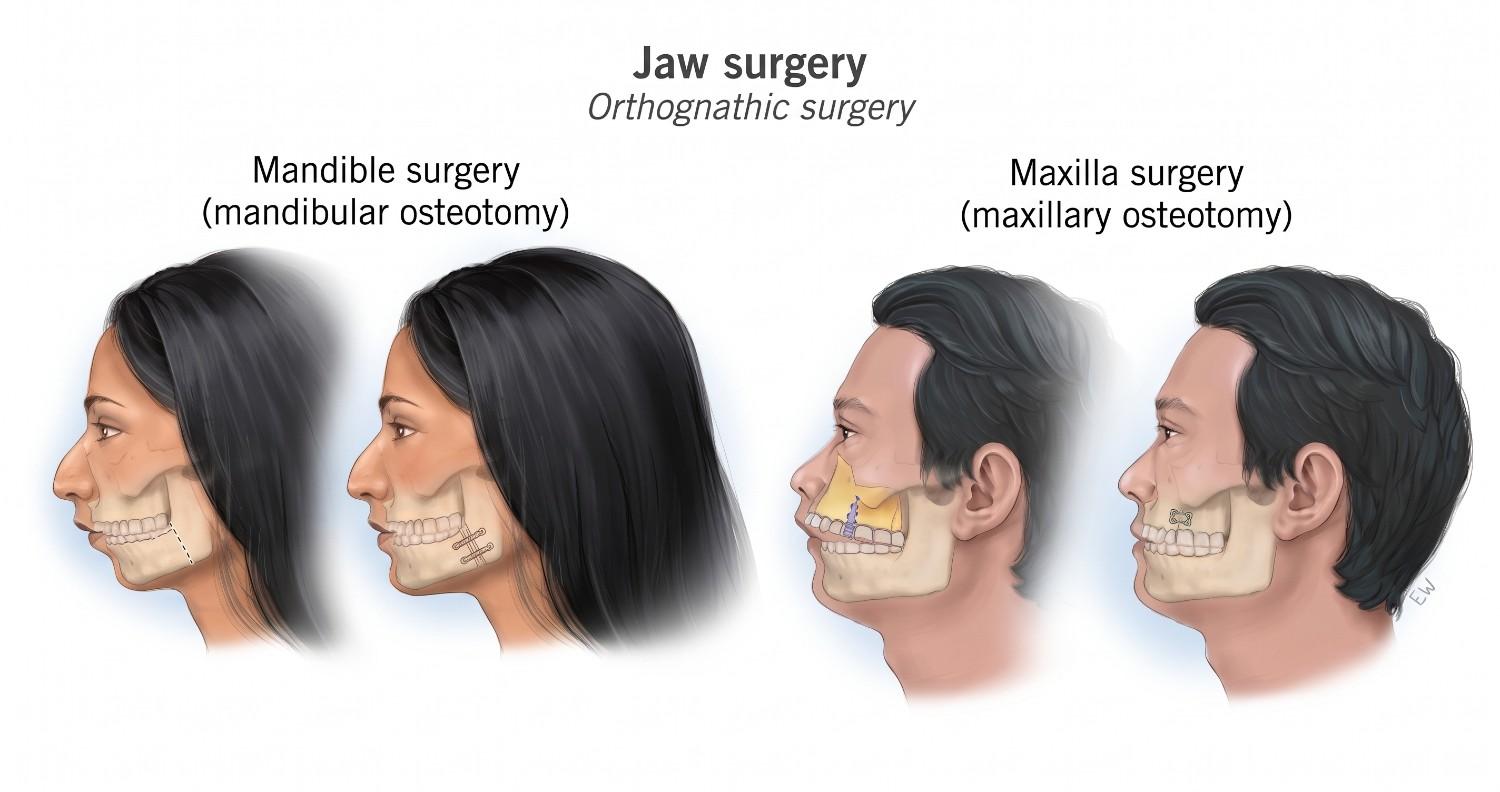
Deciding to undergo jaw surgery involves several important considerations. Patients may spend months researching treatment options, understanding their bite problems, and discussing possible changes with dental professionals. When the position of the jawbones affects chewing, speaking, or facial structure, Jaw Surgery in Islamabad may be considered after a detailed examination by an appropriate specialist.
Jaw surgery, also called orthognathic surgery, corrects certain structural differences involving the upper jaw, lower jaw, or both. Unlike routine dental procedures, it requires coordination between an oral and maxillofacial surgeon and an orthodontist in many cases. Knowing what happens at each stage can help patients prepare for treatment and make informed decisions.
What Makes Someone a Candidate for Jaw Surgery?
Jaw surgery is generally considered when the relationship between the jawbones creates a significant functional or structural problem. A dentist or orthodontist may identify an unusual bite during a routine examination and recommend further assessment.
Some common conditions include:
-
Severe underbite: The lower front teeth extend beyond the upper front teeth because of a skeletal discrepancy.
-
Significant overbite: The upper and lower jaws have an abnormal relationship that cannot be adequately corrected with orthodontics alone.
-
Open bite: The upper and lower front teeth do not meet when the back teeth are together.
-
Crossbite: Certain upper teeth sit inside the lower teeth because of differences in jaw width or positioning.
-
Jaw asymmetry: The chin or jawline appears shifted due to uneven skeletal development.
-
Recessed or prominent jaw: The upper or lower jaw sits too far backward or forward.
-
Selected breathing-related conditions: Certain patients with obstructive sleep apnoea may benefit from jaw advancement after appropriate specialist assessment.
A visible difference does not automatically mean surgery is necessary. The specialist must determine whether the concern originates from the jawbones, tooth positioning, or another condition.
Stage One: The Initial Consultation
The first consultation helps establish whether corrective jaw treatment is appropriate.
Patients should explain the problems they experience rather than focusing only on appearance. Difficulty biting into food, uneven tooth contact, speech concerns, or problems closing the lips may provide useful information.
The specialist may ask about:
-
Previous orthodontic or dental treatment
-
Medical conditions and current medication
-
Previous facial or jaw injuries
-
Jaw discomfort and movement limitations
-
Sleep-related breathing concerns
-
Changes in facial appearance during growth
-
The patient's expectations from treatment
The surgeon also examines the face, teeth, bite, and jaw movement. This initial assessment helps identify which structures may require further investigation.
Stage Two: Diagnostic Tests and Treatment Records
A treatment decision requires more than a visual examination. Diagnostic records help the clinical team understand the relationship between the teeth and underlying bones.
Panoramic Imaging
A panoramic X-ray provides a broad view of the teeth, upper and lower jaws, and surrounding structures. It can help identify dental concerns that may need attention before surgery.
Cephalometric Analysis
A cephalometric X-ray helps assess the relationship between the jaws and other facial structures. Measurements can assist the surgeon and orthodontist in understanding the direction and extent of skeletal differences.
Three-Dimensional Imaging
A cone-beam computed tomography (CBCT) scan may be recommended when additional anatomical detail is necessary. It can provide information about bone structure, asymmetry, and the location of important anatomical features.
Dental Scans and Impressions
Digital scans or traditional impressions record the arrangement of the teeth. These records help the orthodontist plan tooth movement and allow the surgical team to coordinate the intended bite relationship.
The required tests vary from one patient to another. A specialist recommends imaging based on the clinical findings and treatment requirements.
Stage Three: Creating a Combined Orthodontic and Surgical Plan
Corrective jaw treatment often involves two related processes: moving the teeth and repositioning the jawbones.
The orthodontist focuses on dental alignment, while the oral and maxillofacial surgeon plans the skeletal correction.
Why Braces May Be Needed Before Surgery
The teeth sometimes adjust naturally to an incorrect jaw relationship. For example, teeth may tilt forward or backward to make an abnormal bite appear less noticeable.
This process is called dental compensation.
Before surgery, orthodontic treatment may reverse these adjustments. As a result, the bite can temporarily look worse. This is an expected part of preparation in some cases because the teeth need to reach positions that allow the surgeon to correct the underlying skeletal problem.
Planning the Final Bite
The treatment team considers how the upper and lower teeth should meet after surgery. They also evaluate facial proportions, jaw movement, and the amount of bone movement required.
Some cases involve only one jaw, while others require repositioning both jaws. The plan depends on the patient's anatomy rather than a standard procedure used for everyone.
Stage Four: Understanding the Surgical Options
The surgeon selects the technique according to the location of the skeletal problem.
Le Fort I Osteotomy
This procedure repositions the upper jaw, also called the maxilla.
The surgeon makes controlled cuts in the upper jawbone and moves it into the planned position. It may be used for selected cases involving an underdeveloped upper jaw, open bite, or certain crossbite conditions.
Bilateral Sagittal Split Osteotomy
Bilateral sagittal split osteotomy, commonly known as BSSO, is used to reposition the lower jaw.
The technique allows the surgeon to move the mandible forward or backward according to the treatment plan. Fixation plates and screws usually stabilize the bone during healing.
Double Jaw Surgery
When both jaws contribute to the abnormal bite or facial imbalance, the surgeon may recommend double jaw surgery.
This approach allows the treatment team to reposition the upper and lower jaws in relation to each other. It may be suitable for selected complex skeletal discrepancies.
Genioplasty
Genioplasty changes the shape or position of the chin. It may accompany other corrective procedures when additional chin adjustment is appropriate.
However, it does not correct the relationship between the upper and lower dental arches. Patients with a skeletal bite problem require an appropriate plan to address that underlying issue.
Stage Five: Preparing for Hospital Admission
Once the treatment plan is established, the medical team explains the arrangements for the operation.
Patients may need blood tests, medical clearance, and an anaesthesia assessment. The surgeon reviews medication use and provides instructions about eating, drinking, and taking regular medicines before surgery.
It is important to discuss existing medical conditions and any previous reactions to anaesthesia.
Before admission, patients should understand:
-
Which jaw or jaws will be repositioned.
-
How the procedure will address the bite problem.
-
What type of anaesthesia will be used.
-
How long hospital admission may be required.
-
Which dietary restrictions will apply afterward.
-
How postoperative appointments will be arranged.
Jaw surgery is generally performed under general anaesthesia in a suitably equipped hospital. The operation may involve incisions inside the mouth, depending on the technique.
After moving the bone into its planned position, the surgeon usually uses small fixation plates and screws to maintain stability.
Stage Six: The First Days After Surgery
The early recovery period requires rest and careful monitoring. Swelling, bruising, tightness, and discomfort are common following corrective jaw surgery.
The medical team monitors the patient's condition and provides instructions for managing symptoms.
Managing Swelling
Facial swelling may increase during the first few days before gradually improving. The surgeon may recommend specific measures to help manage swelling and discomfort.
Patients should follow the prescribed medication schedule and avoid making changes without professional advice.
Temporary Changes in Sensation
Some patients experience numbness or tingling around the lower lip, chin, cheeks, or other areas. These changes can occur because sensory nerves lie close to the surgical areas.
Sensation may improve gradually, although persistent numbness is a possible complication.
Rest and Assistance
Patients may need help with daily activities during the initial recovery period. Arranging support at home can make it easier to follow dietary instructions, attend appointments, and get enough rest.
Stage Seven: Eating and Maintaining Oral Hygiene
Diet plays an important role during jaw healing because excessive chewing can place pressure on the surgical areas.
Following a Liquid or Soft Diet
The surgeon usually provides instructions about the consistency of food and when to progress to different textures.
Depending on the stage of recovery, suitable options may include:
-
Smooth vegetable soups
-
Blended lentils
-
Yogurt
-
Mashed potatoes
-
Soft porridge
-
Blended fruit
-
Nutrition drinks recommended by the healthcare team
Patients should not return to hard or chewy foods until their surgeon confirms that the jaw has healed sufficiently.
Cleaning the Mouth
Oral hygiene requires additional attention after surgery. The surgical team may recommend gentle brushing, a specific mouth rinse, and instructions for cleaning around braces or other dental appliances.
Patients should avoid disturbing healing areas and follow the recommended cleaning routine.
Stage Eight: Monitoring Healing and Bite Alignment
The recovery process continues beyond the first few weeks. Follow-up appointments help the surgeon assess bone healing, swelling, jaw movement, and the relationship between the teeth.
The orthodontist may also continue adjusting the bite after surgery.
Some patients progress quickly, while others require additional time for healing and orthodontic finishing. Bone healing takes weeks to months, and complete treatment can extend beyond the initial recovery period.
Patients should contact their healthcare team if they experience unexpected bleeding, increasing pain, fever, worsening swelling, or other concerning symptoms.
Possible Risks and Complications
Jaw surgery is a major procedure and requires careful consideration of potential complications.
Possible risks include:
-
Infection or bleeding
-
Swelling and postoperative discomfort
-
Temporary or persistent numbness
-
Changes in bite alignment
-
Delayed bone healing
-
Problems involving fixation plates or screws
-
Relapse or movement of the jaw after surgery
-
Anaesthesia-related complications
The nature and likelihood of these risks depend on the procedure, the patient's health, and individual anatomy.
A responsible treatment discussion should explain the potential benefits, limitations, alternatives, and risks before the patient provides informed consent.
How Much Does Jaw Surgery Cost in Islamabad?
The total expense varies according to the surgical technique, hospital arrangements, and additional treatment requirements.
Patients researching Jaw Surgery cost should ask for a breakdown of the complete treatment rather than relying on a general estimate.
Several factors can influence the overall cost:
| Cost factor | Why it matters |
|---|---|
| Surgical procedure | Upper jaw, lower jaw, and double jaw surgery have different requirements. |
| Case complexity | More complicated skeletal corrections may require additional planning. |
| Surgeon fees | Qualifications and relevant surgical experience influence professional charges. |
| Hospital expenses | Admission, operating room facilities, and monitoring contribute to the total. |
| Anaesthesia | The anaesthesia team's services form part of the surgical expense. |
| Diagnostic tests | Imaging, dental records, and laboratory investigations may be needed. |
| Orthodontics | Braces and adjustments can add to the overall treatment budget. |
| Aftercare | Medication and follow-up visits should be included in financial planning. |
Before scheduling surgery, patients should request a written estimate that explains included services and any possible additional expenses.
Choosing a Qualified Jaw Surgery Specialist
The choice of surgeon is one of the most important decisions in the treatment process. Orthognathic surgery requires knowledge of facial anatomy, dental occlusion, bone healing, and the structures surrounding the jaws.
Patients should verify the surgeon's qualifications and ask about experience with the specific procedure being considered.
It is also useful to discuss the hospital's facilities, anaesthesia arrangements, orthodontic coordination, and postoperative support.
People seeking general dental information or an initial dental assessment can explore Dental Clinic Islamabad. However, complex skeletal jaw conditions require assessment by an appropriately qualified oral and maxillofacial surgeon, and surgery should take place in a suitably equipped hospital.
Frequently Asked Questions
1. Is jaw surgery a one-day procedure?
The operation itself may take several hours, depending on its complexity. Patients may need hospital admission afterward for monitoring and recovery. The exact arrangements depend on the surgical plan.
2. Do all patients need braces before jaw surgery?
No. Orthodontic preparation is common, but the need and duration depend on tooth alignment and the nature of the skeletal problem. The orthodontist and surgeon determine the appropriate approach.
3. Can jaw surgery correct an open bite?
Yes. Certain skeletal open bites can be treated through repositioning the upper jaw, lower jaw, or both. The suitable technique depends on the cause of the bite problem.
4. Will the jaw be wired shut after surgery?
Traditional jaw wiring is not required in every case. Modern treatment often uses fixation plates and screws, with dietary and movement instructions determined by the surgeon.
5. When can patients return to work or studies?
The recovery period varies according to the operation and the patient's progress. Many people need several weeks before resuming normal routines, while strenuous activities may require a longer break.
6. Does jaw surgery permanently fix bite problems?
Surgery can correct the underlying skeletal relationship, but long-term stability depends on several factors, including treatment planning, healing, orthodontic finishing, and follow-up care. Relapse is possible in some cases.
7. Is jaw surgery suitable for people with jaw pain?
Not necessarily. Jaw pain can have several causes, including muscle problems and temporomandibular joint disorders. Surgery should only be considered when a clear skeletal problem supports that treatment decision.
Conclusion
Jaw surgery involves several stages, beginning with diagnosis and ending with long-term monitoring of bite alignment and bone healing. Each stage contributes to the overall treatment outcome, making specialist guidance and coordination between the surgeon and orthodontist essential.
Patients considering jaw surgery in Islamabad should understand the proposed procedure, preparation requirements, recovery process, financial considerations, and possible complications. A detailed consultation with a qualified oral and maxillofacial surgeon can help determine whether corrective surgery is appropriate and establish a treatment plan based on individual needs.

 English
 Arabic
 French
 Spanish
 Portuguese
 Deutsch
 Turkish
 Dutch
 Russian
 Romaian
 Portuguese (Brazil)
 Greek
