


What Is a Barcode Scanner and How Can It Improve Your Business?
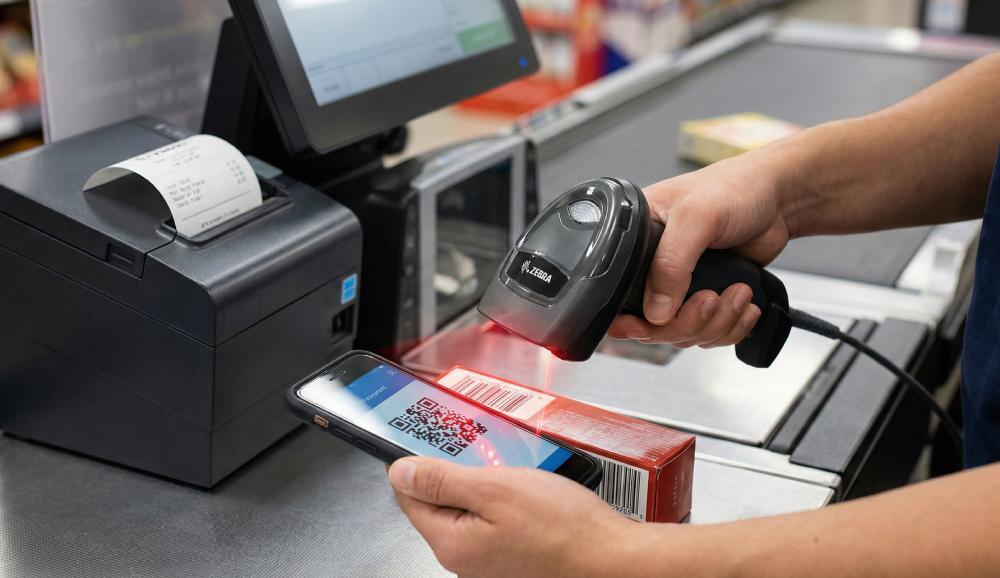
A barcode scanner is an essential tool for modern businesses that want to simplify daily operations and reduce manual work. From small retail shops to large supermarkets and warehouses, barcode scanners help businesses identify products quickly and manage information accurately.
With the increasing use of digital billing and inventory management systems, barcode scanners have become an important part of retail and commercial operations. Choosing the right barcode scanner can improve productivity, save time, and provide a better customer experience.
What Is a Barcode Scanner?
A barcode scanner is an electronic device that reads information encoded in printed or digital barcodes. It converts the barcode into digital data that can be transferred to a computer, point-of-sale (POS) system, or inventory management software.
When a cashier scans a product, the system identifies its barcode number and retrieves the associated product information, such as its name and price.
Barcode scanners are commonly used in:
- Supermarkets and grocery stores.
- Pharmacies and medical stores.
- Clothing and footwear shops.
- Warehouses and distribution centres.
- Manufacturing facilities.
- Libraries and educational institutions.
- Shipping and logistics companies.
How Does a Barcode Scanner Work?
A barcode scanner uses optical technology to read patterns printed on product labels.
Traditional barcode scanners use light to detect the dark and light sections of a barcode. The scanner converts these patterns into electrical signals, which are processed into readable digital information.
Modern 2D barcode scanners use imaging technology to capture and interpret more complex codes, including QR codes.
After reading the information, the scanner sends the data to a connected computer or compatible software system.
This process helps businesses identify products without manually entering lengthy product codes.
What Are the Different Types of Barcode Scanners?
Different barcode scanners are designed for specific business requirements. Understanding their features can help you choose suitable equipment.
1. Wired Barcode Scanner
Wired barcode scanners connect directly to computers or POS systems, usually through a USB cable.
They are easy to install, affordable, and suitable for businesses that operate from fixed checkout counters.
Best for: Small shops, pharmacies, grocery stores, and retail businesses.
2. Wireless Barcode Scanner
Wireless barcode scanners use Bluetooth or wireless receivers to communicate with compatible devices.
They allow employees to move around freely while scanning products, making them useful for inventory management and warehouse operations.
Best for: Warehouses, supermarkets, and stock management.
3. 1D Barcode Scanner
A 1D barcode scanner reads traditional linear barcodes commonly printed on product packaging.
These scanners are widely used in retail environments for product identification and billing.
Best for: Grocery stores, retail shops, and basic inventory systems.
4. 2D Barcode Scanner
A 2D barcode scanner can read QR codes and other supported two-dimensional barcodes.
These scanners are useful for modern businesses that use digital tickets, QR-based product information, and other advanced identification systems.
Best for: Restaurants, pharmacies, retail businesses, and logistics companies.
5. Desktop Barcode Scanner
Desktop barcode scanners are designed for hands-free scanning and are generally installed on checkout counters.
They allow cashiers to scan products quickly without continuously picking up and operating a handheld device.
Best for: Supermarkets, department stores, and high-volume checkout counters.
6. Industrial Barcode Scanner
Industrial barcode scanners are designed for demanding working environments.
They are commonly used in warehouses, manufacturing facilities, and logistics operations where equipment may be exposed to dust, frequent handling, or challenging working conditions.
Best for: Factories, distribution centres, and industrial facilities.
What Are the Benefits of Using a Barcode Scanner?
Barcode scanners provide several advantages for businesses of different sizes.
Faster Billing
Scanning products is generally faster than entering product information manually. This helps reduce checkout waiting times and improves customer service.
Improved Accuracy
Manual data entry can lead to mistakes. Barcode scanning reduces typing errors and helps maintain accurate product records.
Better Inventory Management
Businesses can use barcode scanners to record incoming stock, track product movement, and update inventory information.
Increased Productivity
Employees can complete billing, stocktaking, and product identification tasks more efficiently.
Reduced Operational Costs
Automating routine processes can reduce manual workload and help businesses manage resources more effectively.
Better Customer Experience
Faster checkout processes and accurate billing contribute to a smoother shopping experience.
How to Choose the Best Barcode Scanner?
Selecting the right barcode scanner depends on your business requirements, budget, and working environment.
1. Identify Your Business Needs
Consider whether you need a scanner for billing, warehouse operations, stock management, or product identification.
Small shops may require basic handheld scanners, while large warehouses may benefit from wireless or industrial models.
2. Check Barcode Compatibility
Determine whether your business uses 1D barcodes, 2D barcodes, or both.
If you need to scan QR codes, select a compatible 2D imaging scanner.
3. Consider Connectivity
Check whether the scanner supports USB, Bluetooth, or wireless connectivity.
Make sure it is compatible with your existing computer, tablet, or POS system.
4. Evaluate Scanning Performance
Choose equipment that provides reliable scanning and accurate barcode recognition.
Consider scanning distance, reading speed, and performance with damaged or poorly printed labels.
5. Check Durability
For industrial environments, select equipment designed to withstand frequent handling and the conditions in which it will be used.
6. Compare Prices and Warranty
Compare different models based on their features, specifications, warranty coverage, and after-sales support.
A suitable scanner should provide reliable performance and long-term value.
Where Are Barcode Scanners Commonly Used?
Barcode scanning technology supports many industries.
Retail Businesses: Retail stores use barcode scanners for billing, product identification, and stock control.
Healthcare: Hospitals and pharmacies use barcode scanning to identify products, medicines, and medical supplies.
Warehousing: Warehouse employees scan products to record stock movements and manage inventory.
Manufacturing: Manufacturers use barcode systems to track products, components, and production processes.
Logistics: Shipping companies use barcode scanners to identify packages and monitor deliveries.
Education: Libraries use barcode scanning systems to manage books and maintain borrowing records.
How to Maintain a Barcode Scanner?
Regular care can help maintain scanning performance and extend equipment life.
- Clean the scanning window using an appropriate soft cleaning cloth.
- Protect the device from unnecessary drops and physical damage.
- Keep cables and connectors in good condition.
- Charge wireless scanners according to manufacturer instructions.
- Install compatible software and firmware updates when recommended.
- Store scanners in a clean and dry environment.
- Follow manufacturer guidelines for cleaning and maintenance.
Proper handling and regular inspection can help prevent common equipment problems.
Barcode scanners have become essential tools for businesses that want faster billing, accurate product identification, and efficient inventory management. From basic wired scanners to advanced wireless and industrial models, there are solutions for different business requirements.
Before purchasing a barcode scanner, consider barcode compatibility, connectivity, scanning performance, durability, and warranty. Choosing the right equipment can improve productivity, reduce manual errors, and support smoother business operations.
Frequently Asked Questions (FAQs)
1. What is the main purpose of a barcode scanner?
A barcode scanner reads product codes and transfers their information to connected systems, helping businesses manage billing, inventory, and product identification.
2. Can a barcode scanner work with a computer?
Yes. Many barcode scanners connect to computers through USB, Bluetooth, or compatible wireless receivers.
3. What is the difference between 1D and 2D barcode scanners?
A 1D scanner reads traditional linear barcodes, while a 2D scanner can also read QR codes and other supported two-dimensional codes.
4. Which barcode scanner is best for a retail shop?
A wired USB handheld scanner is suitable for many small retail shops. Larger stores may benefit from wireless or desktop models.
5. Can barcode scanners read QR codes?
Yes. Compatible 2D barcode scanners can read QR codes printed on labels or displayed on smartphone screens.
6. Are wireless barcode scanners reliable?
Yes. Quality wireless scanners provide reliable performance when used within their supported connectivity range and operating conditions.
7. Do barcode scanners require special software?
Many USB scanners operate as keyboard input devices and work with compatible POS and inventory software. More advanced models may require additional configuration or software.

 English
 Arabic
 French
 Spanish
 Portuguese
 Deutsch
 Turkish
 Dutch
 Italiano
 Romaian
 Portuguese (Brazil)
 Greek
