


How Can pvcfloortile Support Custom Interior Flooring Projects?
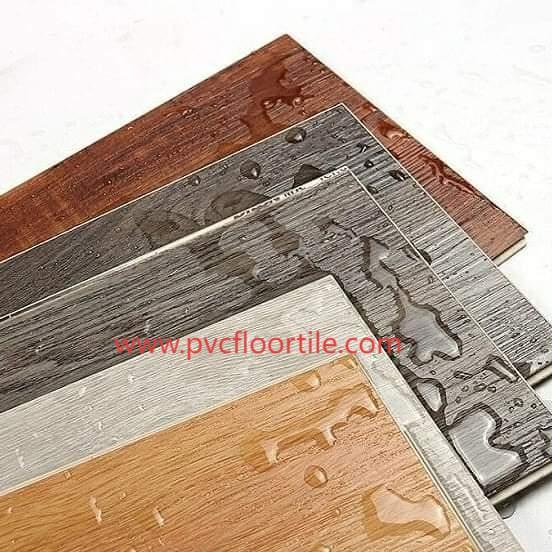
SPC Flooring is widely considered by importers, distributors, contractors, and interior material wholesalers looking for rigid-core products for residential and commercial projects. However, selecting a suitable model involves more than comparing colors, photographs, or quoted prices. Buyers should examine the construction, wear layer, surface finish, locking profile, dimensions, and installation requirements before placing an order. Understanding these details makes product comparisons clearer and helps purchasing teams communicate their expectations to manufacturers.
Understand the Product Structure
A rigid-core plank generally contains several functional layers, with each part contributing to the finished product. These may include a protective surface coating, transparent wear layer, decorative film, mineral-filled core, and optional attached underlay.
Buyers should ask manufacturers for a construction diagram or technical specification sheet. This information helps explain how the different layers are arranged and which materials are used in each model.
Overall thickness should also be checked carefully. A thicker plank does not automatically indicate better surface protection or suitability for every project. Buyers should distinguish between total thickness, wear-layer thickness, and backing thickness when comparing different quotations.
Check the Wear Layer and Surface Finish
The wear layer is an important specification because it protects the decorative surface during everyday use. Its required thickness depends on the intended application, expected foot traffic, maintenance practices, and project requirements.
For residential developments, rental properties, offices, and retail interiors, buyers should identify the expected usage conditions before selecting a specification. Request the actual thickness information and relevant test documentation for the proposed model.
Surface finishing deserves equal attention. UV treatment, gloss level, embossed textures, and protective coatings can influence the appearance and maintenance requirements of the finished product. Buyers should examine full-size samples under different lighting conditions to check whether the texture and printed pattern meet their design expectations.
Examine the Core and Locking Profile
The rigid core influences plank structure, dimensional characteristics, and overall product weight. Buyers can request information about the core formulation, density where available, and applicable dimensional stability test results.
The locking profile is another detail that deserves practical inspection. A product may look attractive in a catalog, but its connection system should also be evaluated through an actual assembly trial.
Connect several sample planks and examine the joint alignment, edge condition, and connection fit. Check whether the boards can be assembled according to the supplied instructions without visible gaps or damaged edges.
For large projects, consistent edge processing across production batches is important. Ask the manufacturer how dimensional tolerances and locking accuracy are monitored during production.
Consider Colors, Patterns, and Custom Designs
Appearance has a direct influence on how a product fits different interior styles. Wood-look patterns, stone-inspired surfaces, neutral colors, and contemporary textures can serve different residential and commercial design preferences.
Buyers should request physical samples rather than relying entirely on digital photographs. Screen settings and lighting conditions may affect how colors appear, so sample approval provides a more practical reference.
For private label projects, customization may include decorative film selection, surface texture, plank dimensions, bevel details, carton printing, and brand packaging. Before production, confirm the approved color code and design reference. This helps reduce differences between the sample and the finished order.
Review Installation Requirements
Installation conditions should be considered before selecting a model. Buyers need to understand the substrate requirements, surface flatness, moisture testing procedures, temperature conditions, and expansion allowances stated in the product instructions.
Click systems may have specific requirements concerning underlay compatibility and installation methods. An attached IXPE or EVA backing should not automatically be treated as a solution for an uneven or unsuitable subfloor.
Room layout also matters. Door clearance, transitions, stairs, fixed furniture, and perimeter spacing should be considered during project planning. For renovation projects, checking the existing floor height can help avoid problems with doors and adjacent surfaces.
Ask for the installation manual and make sure contractors receive the correct instructions before work begins.
Evaluate Factory Quality Control
For bulk purchases, consistent manufacturing standards are important. Buyers should understand how the factory checks raw materials, core dimensions, surface appearance, locking edges, and finished product packaging.
A practical inspection plan can include:
Plank length, width, and thickness measurements
Wear-layer specifications and surface appearance
Decorative pattern and color consistency
Locking profile dimensions and assembly condition
Backing material and attachment quality
Carton labels, product quantities, and packaging condition
Buyers should also request relevant test reports and compliance documents according to the destination market. These records should identify the tested product and applicable testing methods.
Before mass production, approve a physical reference sample and keep its product code and specifications on record. This gives both parties a clear standard for subsequent orders.
Compare Quotations and Delivery Arrangements
Price comparisons should include the same product specifications. A quotation should clearly state plank dimensions, construction thickness, wear-layer details, backing options, packaging requirements, and included services.
Buyers should also confirm minimum order quantities, sample charges, production schedules, payment terms, and shipping arrangements. For mixed-color or multi-size orders, ask whether separate quantity requirements apply.
Packaging deserves attention because planks need suitable protection during storage and transportation. Confirm carton strength, labeling information, pallet arrangements, and loading details before shipment.
A clear purchase agreement can reduce misunderstandings and make communication between the factory and buyer more efficient.
Choose a Manufacturer That Understands Your Market
A suitable manufacturing partner should be able to discuss technical specifications, provide samples, explain production procedures, and communicate order progress. Buyers should consider whether the factory can support the required product range, customization details, packaging format, and documentation.For distributors and project contractors, repeat-order consistency is also worth discussing. Ask how product codes, approved samples, color references, and inspection records are managed between production batches.A well-prepared purchasing process helps buyers connect product requirements with actual project conditions. For product specifications, customized designs, and wholesale inquiries, visit https://www.pvcfloortile.com/ to explore the available collections and manufacturing services from pvcfloortile.

 English
 Arabic
 French
 Portuguese
 Deutsch
 Turkish
 Dutch
 Italiano
 Russian
 Romaian
 Portuguese (Brazil)
 Greek
