


Professional Commercial Solar Power Installation in Melbourne – Alltrics Energy
Introduction
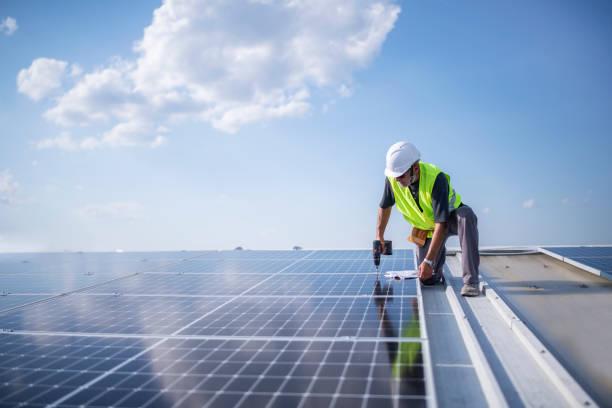
Alltrics Energy focuses on commercial solar panel installation in Melbourne, helping businesses explore renewable energy opportunities and improve their overall energy efficiency. With increasing electricity costs and growing awareness of environmental sustainability, many businesses are considering solar power as a practical solution for managing their energy requirements. Commercial solar systems allow businesses to generate electricity directly from sunlight, potentially reducing their dependence on traditional electricity sources and supporting long-term cost management.
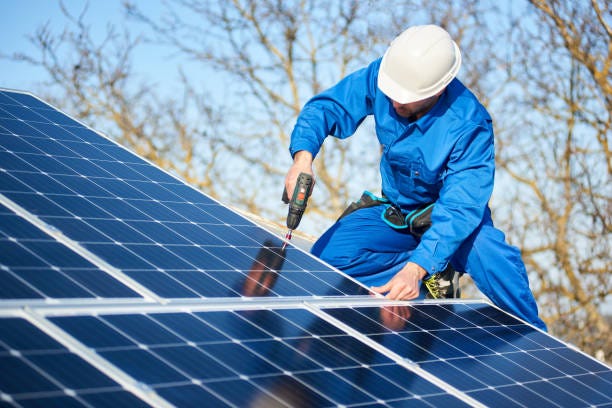
From offices and retail stores to warehouses, factories, and hospitality facilities, businesses rely on electricity for their everyday operations. Lighting, air conditioning, machinery, refrigeration, and electronic equipment contribute to overall energy consumption. Installing a suitable commercial solar system can help businesses manage these requirements while moving towards more sustainable operating practices.
Alltrics Energy helps businesses explore commercial energy solutions according to their property characteristics, electricity consumption, and operational goals.
1. Understanding Commercial Solar Panel Installation
Commercial solar panel installation involves setting up photovoltaic (PV) systems at business properties to generate renewable electricity. These systems capture sunlight and convert it into usable electricity that can power different commercial operations.
Unlike residential solar systems, commercial installations are generally designed to accommodate higher electricity consumption and larger property requirements.
A typical commercial solar system includes:
-
Solar Panels: Capture sunlight and generate electrical energy.
-
Solar Inverters: Convert the electricity generated by solar panels into usable alternating current.
-
Mounting Structures: Secure solar panels to suitable rooftops or ground-mounted areas.
-
Electrical Connections: Connect the solar system safely to the property’s electrical infrastructure.
-
Monitoring Systems: Help businesses monitor electricity generation and system performance.
A properly designed system considers available space, energy consumption, roof conditions, and the property’s electrical requirements.
2. Benefits of Commercial Solar Panel Installation in Melbourne
Commercial solar installation offers several potential advantages for businesses looking to improve energy management and reduce their dependence on grid electricity.
2.1 Reduced Electricity Expenses
Solar panels generate electricity that businesses can use during operating hours. This can reduce the amount of electricity purchased from the grid and help manage ongoing operating expenses.
2.2 Renewable Energy Generation
Solar power is a renewable energy source that allows businesses to generate electricity using sunlight rather than relying entirely on conventional electricity supplies.
2.3 Improved Energy Efficiency
Generating electricity on-site can help businesses improve their energy management strategies and make better use of available resources.
2.4 Environmental Sustainability
Using solar electricity can help businesses reduce their operational carbon footprint and demonstrate a commitment to environmentally responsible practices.
2.5 Long-Term Financial Opportunities
A suitable commercial solar installation can provide financial benefits over its operational life. Actual savings depend on installation costs, electricity tariffs, solar generation, and business consumption patterns.
3. Commercial Solar Solutions for Different Industries
Different commercial industries have different electricity requirements. Commercial solar systems can be designed according to the operational needs and property characteristics of each business.
1. Offices and Corporate Buildings
Office buildings consume electricity through computers, lighting, air conditioning, elevators, and communication equipment. Commercial solar panels can generate renewable electricity to support everyday workplace activities.
2. Warehouses and Distribution Centres
Warehouses often feature large rooftop areas that may be suitable for solar installations. Generated electricity can support lighting, ventilation, refrigeration, and other warehouse operations.
3. Manufacturing and Industrial Facilities
Manufacturing businesses use electricity for machinery, production equipment, cooling systems, and industrial processes. Commercial solar installations can help these businesses explore opportunities to reduce grid electricity consumption.
4. Retail Stores and Shopping Centres
Retail properties require electricity for display lighting, refrigeration, security systems, air conditioning, and other essential equipment. Solar power can contribute to their daily energy requirements.
5. Hotels and Hospitality Businesses
Hotels, restaurants, and hospitality facilities use electricity for lighting, kitchens, laundry equipment, refrigeration, and climate control. Commercial solar systems can support their energy management objectives.
4. Important Factors to Consider Before Installing Commercial Solar Panels
Before investing in a commercial solar system, businesses should evaluate their energy requirements and property conditions. Proper planning helps ensure that the installation is suitable for long-term use.
Consider these important factors:
-
Electricity Consumption: Review electricity bills to understand daily, monthly, and annual energy requirements.
-
Available Roof Space: Assess the rooftop area available for installing solar panels.
-
Roof Condition: Check structural suitability and ensure that the roof can safely support the proposed installation.
-
Sunlight Exposure: Evaluate shading, panel orientation, and available sunlight.
-
System Capacity: Select a solar system according to electricity demand and installation space.
-
Equipment Quality: Consider solar panel efficiency, inverter performance, product warranties, and reliability.
-
Installation Costs: Evaluate the overall investment and potential long-term financial benefits.
-
Future Energy Needs: Consider possible business expansion and increasing electricity consumption.
These considerations help businesses make informed decisions when selecting commercial solar technology.
5. Commercial Solar Panel Installation Process
A successful commercial solar installation requires proper assessment, system design, professional installation, and testing.
The process generally includes the following stages:
Step 1: Initial Consultation
The business’s energy requirements, electricity expenses, property details, and solar installation objectives are discussed.
Step 2: Energy Assessment
Electricity consumption is reviewed to identify suitable opportunities for solar energy generation.
Step 3: Site Inspection
The property is assessed for rooftop suitability, available space, shading conditions, and electrical infrastructure.
Step 4: Solar System Design
A suitable system is planned based on energy requirements, roof characteristics, and installation conditions.
Step 5: Installation Planning
Equipment selection, installation requirements, safety considerations, and applicable approvals are reviewed.
Step 6: Professional Installation
Solar panels, inverters, mounting structures, and electrical connections are installed according to relevant Australian standards and requirements.
Step 7: Testing and Commissioning
The completed system is inspected and tested to ensure that it operates correctly and safely.
Step 8: Monitoring and Maintenance
Regular monitoring and appropriate maintenance help businesses understand system performance and identify potential issues.
6. The Role of Solar Battery Storage in Commercial Energy Management
Businesses looking to maximise the use of solar electricity can also consider battery storage systems. These systems store excess electricity generated by solar panels for later consumption.
Battery storage can be useful when a business operates beyond normal daylight hours or experiences higher electricity demand during periods of reduced solar generation.
Some important advantages include:
-
Storing excess solar electricity.
-
Improving the utilisation of renewable energy.
-
Reducing dependence on grid electricity.
-
Supporting flexible energy management.
-
Helping businesses manage electricity consumption during peak tariff periods.
The suitability of battery storage depends on energy consumption, system compatibility, storage capacity, installation costs, and financial objectives.
7. Why Choose Alltrics Energy for Commercial Solar Panel Installation in Melbourne?
Choosing the right energy partner is an important part of planning a commercial solar project. Businesses need to consider their electricity requirements, property characteristics, financial objectives, and future energy needs.
Alltrics Energy focuses on commercial solar panel installation and commercial energy solutions in Melbourne, helping businesses explore renewable energy opportunities.
Reasons to consider Alltrics Energy include:
-
Commercial Energy Focus: Understanding the energy requirements of different commercial properties.
-
Solar Energy Opportunities: Helping businesses explore suitable solar installation options.
-
Energy Efficiency: Encouraging better electricity management and sustainable operating practices.
-
Business-Oriented Planning: Considering individual property and operational requirements.
-
Renewable Energy Awareness: Supporting businesses interested in adopting cleaner energy technologies.
-
Long-Term Perspective: Encouraging informed decisions about commercial energy infrastructure.
Whether you manage an office, warehouse, retail store, or manufacturing facility, exploring commercial solar energy can be a valuable step towards improving your energy strategy.
8. Frequently Asked Questions
Q1. What is commercial solar panel installation?
It involves installing solar photovoltaic systems at business properties to generate renewable electricity for commercial operations.
Q2. Can commercial solar panels reduce electricity bills?
Yes. Businesses can reduce grid electricity purchases by using the electricity generated by their solar systems. Actual savings depend on energy consumption and electricity tariffs.
Q3. Are commercial solar panels suitable for warehouses?
Yes. Warehouses may be suitable for solar installations because of their large rooftops, provided the roof structure and electrical infrastructure meet installation requirements.
Q4. Can businesses add battery storage to commercial solar systems?
Yes. Compatible solar systems can be integrated with battery storage to store excess electricity for later use.
Q5. Why should businesses consider solar energy?
Solar energy can help businesses manage electricity expenses, improve energy efficiency, and support environmental sustainability.
Conclusion
Commercial solar panel installation in Melbourne offers businesses an opportunity to generate renewable electricity, improve energy management, and reduce dependence on traditional electricity sources. From offices and warehouses to manufacturing facilities and retail properties, suitable solar systems can support different commercial energy requirements.
Alltrics Energy focuses on commercial solar and energy solutions that help businesses explore sustainable electricity options. By evaluating energy consumption, assessing property suitability, and selecting appropriate solar technology, businesses can take meaningful steps towards long-term energy efficiency.
Choosing commercial solar power is not just an investment in energy generation; it is also a step towards building a more sustainable and energy-conscious business future.

 English
 Arabic
 French
 Portuguese
 Deutsch
 Turkish
 Dutch
 Italiano
 Russian
 Romaian
 Portuguese (Brazil)
 Greek
