


The Importance of Screen Placement When Using a Portable Smart TV
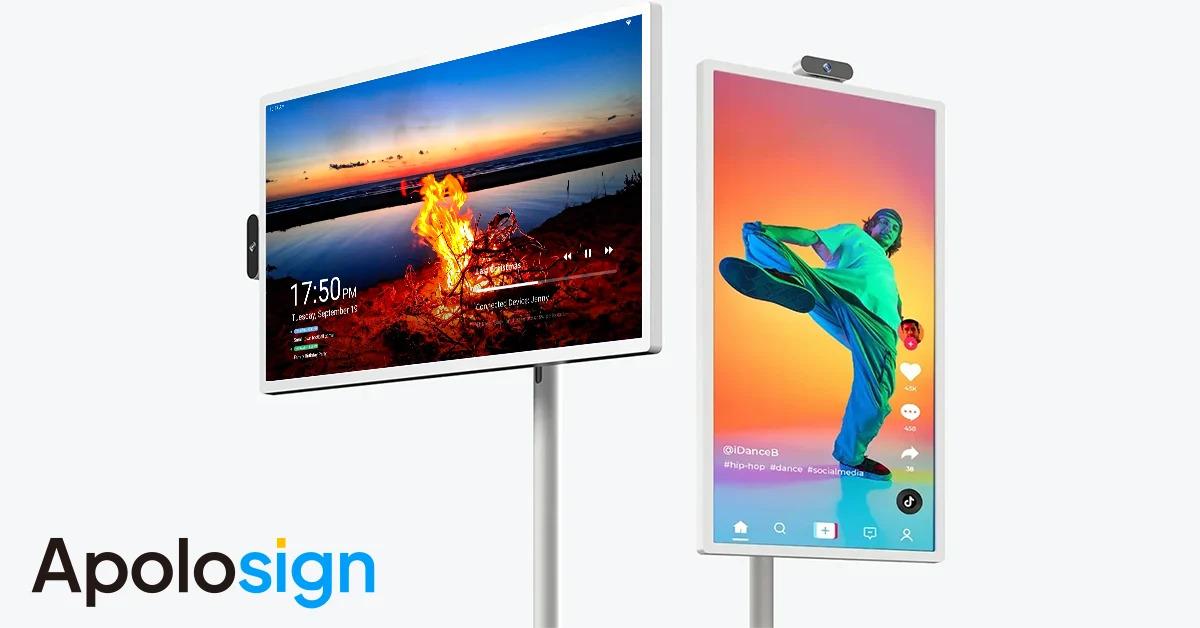
A television's viewing experience depends on more than its display specifications. The location of the screen, the surrounding lighting, seating arrangements, and available space can all influence how comfortable and convenient it is to use. This becomes especially important with portable smart TVs because their flexible design allows people to consider different viewing locations around the home.
Instead of choosing a position without planning, users can think about how the screen will fit into each room and which placement will support their regular activities.
Understanding the Room Before Positioning the Screen
Every room has a different layout. A bedroom may have limited furniture space, while a living room may offer several possible viewing positions. A home office might need a screen that can be placed without interfering with a desk or workspace.
Before setting up a portable smart TV, examine the available space. Consider furniture dimensions, walking areas, nearby electrical outlets, and the distance between the screen and seating.
A suitable location should allow people to move around the room comfortably. The television should not block doors, narrow walkways, or frequently used furniture.
Choosing a Comfortable Viewing Height
Screen height can affect the overall viewing experience. If a display is positioned too high or too low, viewers may need to adjust their posture to see it comfortably.
A useful starting point is to arrange seating and screen placement so that the display can be viewed naturally without repeatedly tilting the head. The ideal position depends on screen size, furniture height, and the distance between the viewer and television.
Portable smart TVs provide more placement options than fixed wall-mounted screens, but that flexibility should still be used thoughtfully. A stable stand or suitable furniture surface can help create a consistent viewing position.
Considering Natural and Artificial Lighting
Lighting conditions can influence how clearly content appears on a screen. Strong sunlight or bright reflections may make viewing less comfortable, especially when they fall directly across the display.
Before choosing a permanent position, observe how sunlight enters the room at different times of day. A location that works well in the morning may receive strong light in the afternoon.
Artificial lighting also deserves attention. Lamps and ceiling lights should be positioned in a way that reduces distracting reflections. Adjusting curtains or changing the angle of the television may help create a more comfortable environment.
Keeping a Suitable Viewing Distance
Viewing distance should be considered alongside screen size and resolution. A large display may be more appropriate for a spacious room, while a smaller screen can be easier to position in a compact bedroom.
There is no single viewing distance that works for every television and room. Buyers should consider the manufacturer's guidance, screen resolution, personal comfort, and available furniture arrangement.
It is useful to test the intended location before deciding where the device will remain. This can help identify whether the screen feels too close, too far away, or difficult to view from the main seating position.
Making the Most of Portable Design
The main advantage of a portable smart TV is the possibility of using it in different suitable locations. A household might use the screen in a living room during the evening and move it to another room when needed.
However, frequent movement requires attention to stability and handling. Check the device's weight and carrying design before moving it. Use the manufacturer's recommended handling instructions and avoid lifting the television by parts that are not intended for carrying.
Before moving the display, organize loose cables and accessories. Once it reaches its new location, place it on a stable surface and reconnect it according to the manufacturer's instructions.
Planning Cable and Power Access
A well-organized setup should include convenient access to electrical power and any required external connections. Cables that stretch across walkways can create unnecessary clutter and may become a tripping concern.
Choose a location where cables can be arranged neatly without being pulled tightly. Avoid using damaged cords or placing electrical equipment where liquids may reach it.
If the television uses wireless connectivity for streaming, check that the Wi-Fi signal is reliable in the chosen room. A weak connection can affect streaming performance even when the display itself works correctly.
Matching Placement to Everyday Activities
Different activities may require different arrangements. A television used for films may be positioned toward comfortable seating, while a display used for educational videos may need to be visible from a desk or shared table.
In a guest room, the screen should be easy to view without reducing the available space. In a home office, it should not interfere with the main working area.
Planning around the activity helps prevent unnecessary rearrangement and makes the television more useful over time.
Reviewing the Right Features Before Buying
Placement flexibility begins with selecting a suitable model. Compare its dimensions, weight, stand design, display quality, available connections, and power requirements.
A device that is too heavy or too large for the intended rooms may not provide the convenience expected from a portable design. Checking specifications beforehand can help avoid this problem.
Buyers researching ApoloSign products can also review the apolosign Coupon Code when comparing current offers. The important step is to confirm that the selected display fits the available space and supports the required viewing activities.
Creating a Safe and Organized Setup
The television should always be placed away from unstable surfaces, excessive heat, and moisture. Keep it clear of edges where it could fall, and follow the manufacturer's instructions for positioning and ventilation.
Families should also consider household movement and the possibility of accidental contact. A tidy setup with organized cables and a stable base can make everyday use more practical.
When evaluating the total purchase, the apolosign Coupon Code may help identify a current promotional opportunity, but it should be considered alongside product specifications, warranty information, and suitability.
Conclusion
Screen placement plays an important role in getting practical value from a portable smart TV. By considering room layout, lighting, viewing distance, cable access, and stable positioning, households can create a more comfortable entertainment environment. Careful planning allows the flexibility of a portable display to become a useful part of everyday home life.

 English
 Arabic
 French
 Spanish
 Portuguese
 Deutsch
 Turkish
 Dutch
 Russian
 Romaian
 Portuguese (Brazil)
 Greek
