


Investment Banking CRM: Managing Relationships and Deals More Effectively
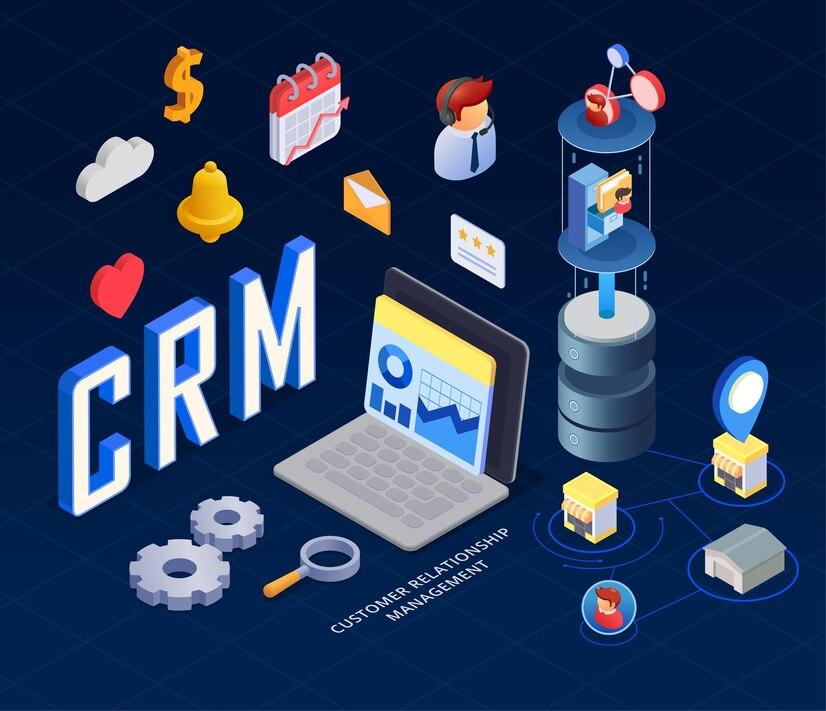
Investment banking is a business where relationships can take years to develop but only a single missed opportunity to weaken. A conversation with a company executive might lead to an acquisition mandate, while an introduction from an institutional investor could open the door to future financing opportunities. Keeping track of these interactions becomes increasingly difficult as client networks and deal pipelines expand.
An investment banking crm helps firms organize these relationships and maintain a clear record of business development activities. Rather than relying on individual spreadsheets, email threads, and personal notes, bankers can work from a shared system that connects client information, communications, and opportunities.
The real value is not simply having another place to store contacts. It is making relationship information accessible when teams need it to support conversations and move transactions forward.
Why Investment Banking Requires a Specialized CRM
Investment banks deal with complex relationships involving company executives, investors, private equity firms, legal advisors, and other financial institutions. A single organization may have several contacts, each involved in different discussions or potential transactions.
Managing these connections through conventional contact management tools can leave important information scattered across departments.
A specialized crm for investment banking gives teams a more structured way to maintain account histories, identify key stakeholders, and understand previous interactions. When a banker prepares for a meeting, they can review relevant conversations and outstanding opportunities instead of collecting information from multiple sources.
This continuity becomes particularly important when several employees manage the same institutional relationship.
Common Challenges Faced by Investment Banking Teams
Many investment professionals still depend on spreadsheets and email to manage everyday activities. While these tools are familiar, they can create problems as transaction volumes increase.
Scattered relationship information: Important client details may sit in separate inboxes, shared folders, or individual records.
Missed follow-ups: Without clear task ownership and reminders, conversations can lose momentum.
Limited deal visibility: Management may struggle to understand which opportunities are progressing and which require attention.
Dependence on individual knowledge: When a banker changes roles, valuable relationship history may become difficult for colleagues to access.
Manual reporting: Preparing updates on client activity and deal pipelines can consume time that could otherwise be spent on business development.
A centralized system helps address these issues by giving authorized employees access to consistent information.
Features That Make a Difference
Not every CRM is designed for the way investment banks operate. When evaluating investment banking crm software, firms should focus on capabilities that support relationship management and transaction workflows.
Relationship Mapping
Investment bankers often work through established networks of executives, investors, advisors, and intermediaries. Relationship mapping helps teams understand these connections and identify potential introductions.
Deal Pipeline Management
A CRM should allow bankers to track opportunities through different stages, from initial discussions and qualification to pitching and transaction closure.
Communication Tracking
Meeting notes, emails, calls, and follow-up activities should be connected to the relevant contacts and organizations. This gives teams a useful history of previous interactions.
Workflow Automation
Reminders, task assignments, and notifications help bankers manage routine activities without depending entirely on memory.
Reporting and Analytics
Dashboards can provide visibility into active opportunities, relationship activity, pipeline progress, and business development performance.
These capabilities make a platform more relevant to the daily responsibilities of investment professionals.
How CRM Supports Investment Bankers
For individual professionals, the biggest advantage is having the right context before engaging with a client.
A crm for investment bankers can help organize meeting histories, contact networks, ongoing discussions, and upcoming responsibilities. For example, before approaching a company about a potential transaction, a banker can check whether another colleague has an existing relationship with its management team.
This reduces duplicated outreach and creates opportunities for better internal coordination.
It also helps senior bankers maintain continuity across accounts. When an employee leaves or moves to another team, authorized colleagues can access documented relationship history instead of relying on informal handovers.
Supporting Different Investment Banking Activities
The requirements of an organization depend on its business model and the type of transactions it handles.
For boutique advisory firms, a crm for investment banks may primarily support deal origination, corporate relationships, and opportunity tracking.
Larger institutions may require more extensive reporting, integration capabilities, and access controls across different business units.
A broader banking crm approach can also support organizations with multiple financial services operations. However, investment banking workflows should remain a key consideration when selecting a platform for advisory and transaction-focused activities.
How to Choose the Right Platform
Selecting the best crm for investment bankers involves more than comparing feature lists. Firms should understand how employees currently manage relationships and identify where information gets lost or processes become difficult.
Some important considerations include:
-
Customizable contact and account records
-
Relationship mapping and hierarchy management
-
Deal pipeline visibility
-
Email and calendar integration
-
Activity and follow-up tracking
-
Reporting and dashboard capabilities
-
Secure access controls
-
Integration with existing business applications
During product demonstrations, teams should test everyday activities rather than relying only on presentations. Can a banker quickly find a previous conversation? Can they connect a contact to multiple organizations? Can a manager review active opportunities without requesting individual updates?
These practical checks often reveal whether a platform will fit the firm's working environment.
The Role of CRM Development in Investment Banking
Some firms have workflows that require more customization than standard platforms provide. This is where investment banking crm development becomes relevant.
Customization may involve specific deal stages, relationship hierarchies, reporting requirements, user permissions, or integrations with existing applications.
However, customization should solve identifiable business problems. Adding unnecessary fields and complicated processes can make the system harder to maintain.
A better approach is to understand the firm's requirements first and configure the platform around the activities employees perform regularly.
Making Relationship Data More Useful
The benefits of crm investment banking extend beyond keeping records organized. Over time, consistent information can help firms understand their business development activities more clearly.
Management can review which relationships generate opportunities, identify accounts that have received limited attention, and monitor where deals remain inactive.
These insights can support more informed decisions about relationship coverage and resource allocation.
Similarly, a well-implemented crm in investment banking can help different teams maintain a shared understanding of clients and opportunities. This is particularly valuable when a relationship extends across advisory, financing, and other business activities.
The important part is maintaining accurate information. Even a sophisticated platform will have limited value if employees do not update records consistently.
Conclusion
Investment banking depends on strong relationships, timely communication, and a clear understanding of potential transactions. As firms manage larger networks and more complex deal pipelines, relying on disconnected tools becomes increasingly difficult.
A specialized CRM provides a practical way to organize client information, preserve relationship history, coordinate activities, and improve visibility into business opportunities. The right system should fit naturally into existing workflows while giving bankers more time to focus on client relationships and transaction execution.
For investment banking firms looking to improve relationship management and deal visibility, contact InsightCRM to explore CRM capabilities suited to their business requirements.

 Arabic
 French
 Spanish
 Portuguese
 Deutsch
 Turkish
 Dutch
 Italiano
 Russian
 Romaian
 Portuguese (Brazil)
 Greek
