


Why Does Cough Get Worse at Night?Common Causes and Treatment
Introduction
Have you ever noticed that your cough becomes more frequent as soon as you lie down to sleep? Night-time coughing is a common problem that can disturb your sleep, cause throat irritation and leave you feeling tired the next morning.
There are several possible reasons for cough becoming worse at night. Sometimes, it happens because of a common cold or throat irritation. In other cases, it may be related to asthma, allergies, acid reflux or another respiratory condition.
A cough is a natural response that helps the body remove mucus, dust and other irritating substances from the airways. However, a persistent cough may indicate an underlying health problem that needs medical attention.
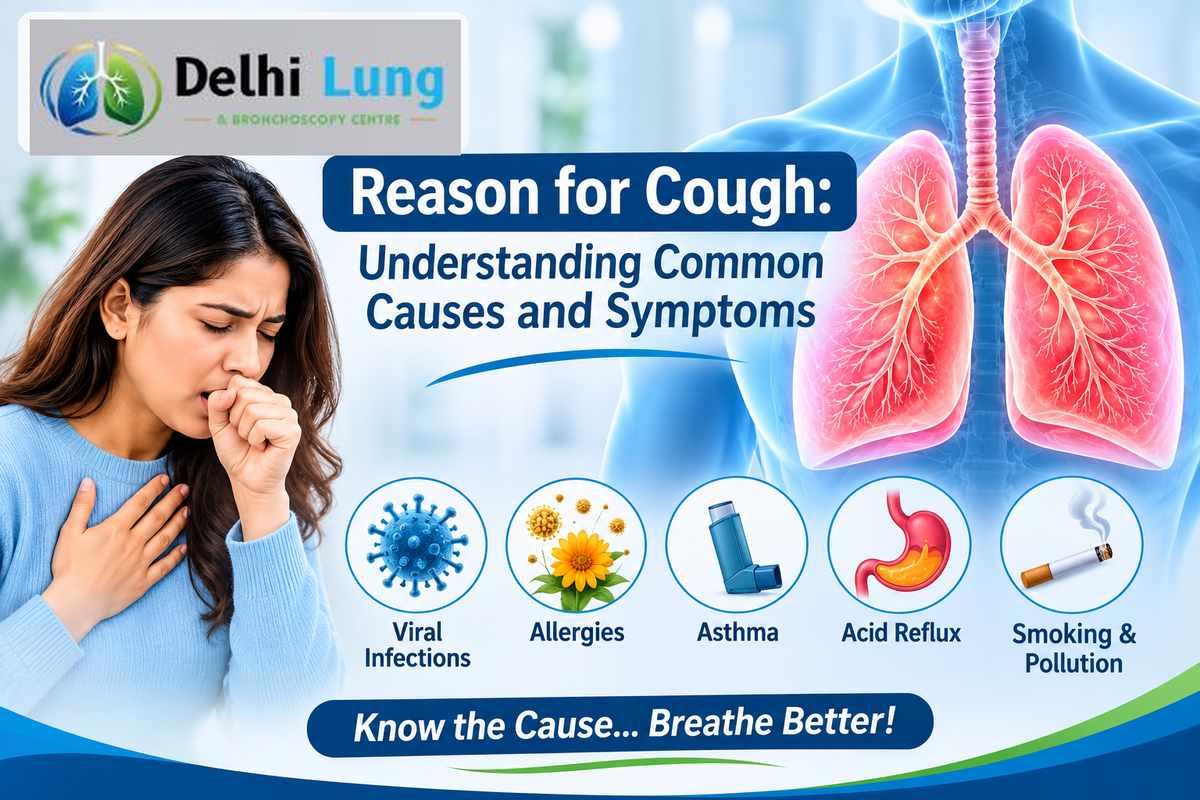
Understanding the reason for cough is important because the treatment depends on what is causing the symptoms. A cough related to allergies may need a different approach from one caused by asthma or a respiratory infection.
In this article, we will discuss the common causes of night-time coughing, practical ways to manage symptoms and when you should consult a doctor.
1. Postnasal Drip
Postnasal drip is one of the common reasons for cough becoming worse at night.
It occurs when excess mucus from the nose or sinuses flows down the back of the throat. This can happen during a common cold, sinus infection or allergic rhinitis.
When you lie down, mucus may collect near the throat and trigger the coughing reflex. This can make you cough repeatedly after going to bed.
Common symptoms of postnasal drip include:
-
A blocked or runny nose
-
Frequent throat clearing
-
A feeling of mucus in the throat
-
Sneezing and nasal irritation
-
Coughing while lying down
If you are trying to understand the reason for cough that occurs mainly after lying down, postnasal drip may be one possibility.
Managing nasal congestion and treating the underlying allergy or infection may help reduce symptoms. Drinking enough water and keeping your sleeping area free from dust may also provide some relief.
However, if the cough continues for several weeks, consult a doctor for proper evaluation.
2. Asthma
Asthma is another important reason for cough becoming worse at night.
Asthma is a long-term respiratory condition in which the airways become inflamed and sensitive. The muscles around the airways may tighten, making it difficult for air to move freely.
Night-time asthma symptoms may occur because of natural changes in the body's daily rhythm. Exposure to bedroom allergens, cold air or other triggers may also contribute.
People with asthma may experience:
-
Coughing after going to bed
-
Waking up because of coughing
-
Wheezing during the night
-
Chest tightness
-
Breathlessness during sleep
Some people have cough-variant asthma, in which coughing is the main symptom.
If you frequently wake up because of coughing, asthma may be a possible reason for cough, particularly when symptoms occur with wheezing or chest tightness.
A doctor may recommend lung function testing and prescribe suitable asthma treatment. Following the prescribed treatment plan can help control symptoms and reduce night-time coughing.
Do not stop or change your asthma medication without medical advice.
3. Common Cold and Respiratory Infections
Respiratory infections are frequent reasons for cough, particularly during seasonal changes.
A common cold may cause nasal congestion, throat irritation and increased mucus production. These symptoms can become more noticeable when you lie down.
During a viral infection, the airways may also remain sensitive even after the fever or runny nose improves. This can lead to a cough that continues for several weeks.
Other symptoms may include:
-
Sneezing
-
Sore throat
-
Mild fever
-
Headache
-
Body aches
-
Tiredness
A viral infection is a common reason for cough that becomes more noticeable at bedtime.
Most common colds improve with time, rest and supportive care. Drinking enough fluids and avoiding smoke may help reduce throat irritation.
However, if coughing becomes worse instead of improving, or occurs with high fever, chest pain or breathing difficulty, seek medical advice.
4. Acid Reflux
Acid reflux occurs when stomach contents move backwards into the food pipe. This can irritate the throat and sometimes trigger coughing.
When you lie down after eating, reflux symptoms may become more noticeable in some people.
Acid reflux is a possible reason for cough when symptoms occur after meals or during the night.
Common symptoms include:
-
Heartburn
-
A sour taste in the mouth
-
Throat irritation
-
Hoarseness
-
Coughing after meals
-
A feeling of acid coming up into the throat
Some people experience reflux-related coughing without obvious heartburn.
Eating smaller meals, avoiding food close to bedtime and raising the head of the bed may help reduce symptoms in some individuals.
If coughing continues, a doctor can assess whether acid reflux may be contributing to the problem.
Do not assume that every night-time cough is caused by reflux, as asthma and other respiratory conditions can produce similar symptoms.
5. Allergies in the Bedroom
Bedroom allergens can trigger coughing in people with allergies.
Dust mites are a common indoor allergen. They can be found in mattresses, pillows, bedding and upholstered furniture.
Other possible triggers include pet dander, mould and pollen brought indoors.
If your cough becomes worse after entering the bedroom or while sleeping, an allergic reaction may be a possible reason for cough.
Other symptoms may include:
-
Sneezing
-
Itchy eyes
-
A runny nose
-
Nasal congestion
-
Throat irritation
Keeping bedding clean, reducing dust accumulation and improving indoor ventilation may help reduce exposure to allergens.
Avoid using strong fragrances or smoke-producing products in the bedroom if they irritate your airways.
If you experience repeated night-time coughing along with wheezing or breathlessness, consult a doctor to check whether asthma is also present.
6. Smoking and Air Pollution
Cigarette smoke, second-hand smoke and air pollution can irritate the respiratory tract.
These irritants may cause inflammation in the airways and increase coughing. Exposure to smoke may also make an existing respiratory condition worse.
People exposed to smoke or polluted air may experience:
-
Throat irritation
-
Dry coughing
-
Increased mucus production
-
Wheezing
-
Chest discomfort
Smoking can also increase the risk of long-term respiratory conditions such as chronic obstructive pulmonary disease (COPD).
If you smoke, stopping smoking is one of the most important steps you can take to protect your lungs.
Avoiding indoor smoke and reducing exposure to irritating fumes may also help.
People with persistent coughing and a history of smoking should seek medical evaluation to identify the underlying reason for cough.
7. Chronic Bronchitis and COPD
Chronic bronchitis is a condition involving long-term inflammation of the bronchial tubes. It is commonly associated with COPD.
People with COPD may experience a persistent cough, mucus production and breathlessness.
The cough may become more noticeable at night because of mucus accumulation or irritation of the airways.
Other symptoms may include:
-
Frequent chest infections
-
Wheezing
-
Reduced exercise tolerance
-
Breathlessness during daily activities
-
Increased mucus production
COPD is more common among people with a history of smoking or long-term exposure to harmful airborne substances.
A persistent cough should not be considered normal simply because someone smokes.
If you have a long-term cough, particularly with breathlessness, consult a pulmonologist. Lung function testing may help identify COPD or another respiratory condition.
8. Why Does Coughing Become Worse When You Lie Down?
There is no single explanation for every night-time cough. However, lying down can make certain symptoms more noticeable.
Mucus movement: Nasal mucus may collect near the throat and trigger coughing.
Airway sensitivity: People with asthma may experience increased airway symptoms during the night.
Acid reflux: Stomach contents may move towards the food pipe more easily when lying flat.
Bedroom allergens: Exposure to dust mites or other allergens may increase during sleep.
Respiratory infections: Inflammation and mucus production during an infection may cause repeated coughing.
The pattern of your symptoms can provide useful clues about the reason for cough, but it cannot replace a medical diagnosis.
9. How Can You Reduce Coughing at Night?
The most effective way to manage night-time coughing is to identify and treat the underlying cause.
Some general steps may help:
Keep Yourself Hydrated
Drinking enough water throughout the day can help prevent throat dryness.
Warm drinks may provide temporary comfort when your throat feels irritated.
Keep Your Bedroom Clean
Regularly washing bedding and reducing dust accumulation may help people with indoor allergies.
Avoid smoking or using products that release irritating fumes in the bedroom.
Elevate Your Head When Sleeping
Raising the head of your bed may help some people with postnasal drip or acid reflux.
Use a comfortable sleeping position that does not cause neck discomfort.
Avoid Eating Just Before Bedtime
If you experience acid reflux, leaving a few hours between your last meal and bedtime may help reduce symptoms.
Avoid foods that you know trigger your reflux.
Follow Your Prescribed Treatment
If you have asthma or another diagnosed respiratory condition, follow your doctor's treatment plan.
Do not increase, reduce or stop prescribed medication without medical advice.
These measures may provide relief, but they do not treat every possible reason for cough.
10. When Should You See a Doctor?
A cough that occurs occasionally during a cold may improve without specific treatment. However, repeated night-time coughing deserves attention.
Consult a doctor if:
-
Your cough lasts longer than three weeks.
-
You frequently wake up because of coughing.
-
You experience wheezing or breathlessness.
-
Your cough is becoming more severe.
-
You have unexplained weight loss or night sweats.
-
You cough up blood.
Seek urgent medical care if you have severe difficulty breathing, severe chest pain, blue lips or confusion.
If you are unsure about the reason for cough, a doctor can review your symptoms and medical history and recommend appropriate investigations.
Conclusion
There are several possible reasons for cough becoming worse at night, including postnasal drip, asthma, respiratory infections, allergies, acid reflux and COPD.
The symptoms may appear similar, but the underlying causes can be very different.
If your cough repeatedly disturbs your sleep or continues for several weeks, consult a doctor for proper evaluation. Identifying the reason for cough can help you receive appropriate treatment and improve your sleep quality.
A persistent cough should not be ignored, especially when it occurs with breathing difficulty, chest pain or other unusual symptoms. Early medical advice can help identify respiratory problems and support better lung health.
If you experience repeated night-time coughing, consult a qualified pulmonologist for an appropriate diagnosis and treatment plan.

 English
 Arabic
 French
 Spanish
 Portuguese
 Deutsch
 Turkish
 Dutch
 Russian
 Romaian
 Portuguese (Brazil)
 Greek
