


What Size Laptop Bag Should You Buy? A Simple Buying Guide
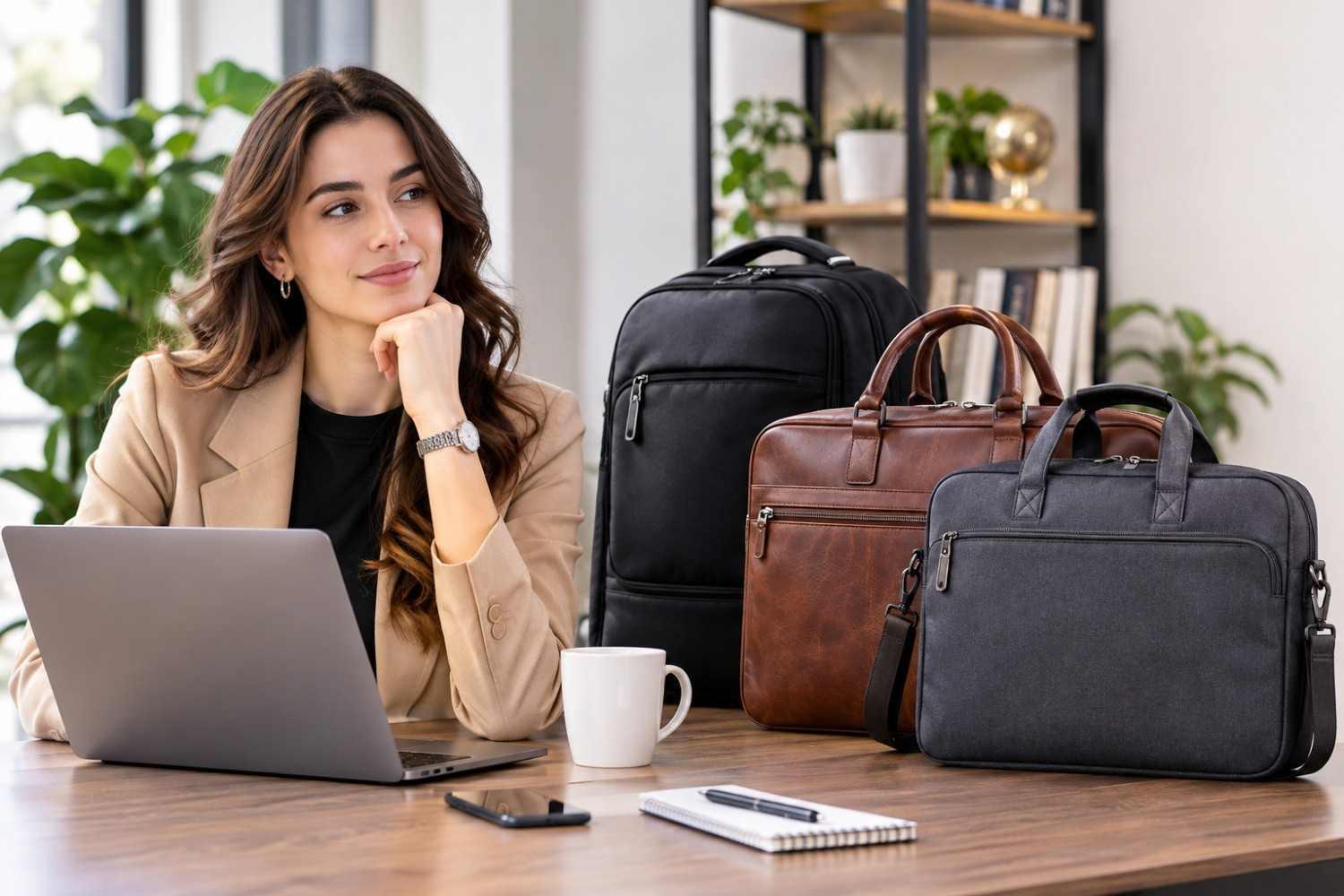
Choosing the right laptop bag is about more than finding an attractive design. The correct size ensures your laptop stays protected, your accessories remain organized, and your daily commute feels comfortable. Whether you use your laptop for work, education, business, or travel, buying a bag that matches your device and lifestyle can make a noticeable difference.
However, laptop bags come in different sizes, shapes, and storage capacities. A bag that looks spacious may not have the right dimensions for your laptop, while a compact option might not leave enough room for your charger, mouse, and other essentials. Understanding a few important factors before purchasing can help you make a smarter decision.
Here is a simple guide to finding a laptop bag that offers the right balance of size, functionality, protection, and style.
1. Know Your Laptop's Actual Dimensions
The first step in choosing a laptop bag is knowing the exact dimensions of your device. Many buyers select a bag based only on the laptop's screen size, but this can sometimes lead to an unsuitable fit.
Laptop screen sizes are measured diagonally, from one corner of the visible display to the opposite corner. However, the actual laptop body also includes the keyboard area, bezels, hinges, and other structural elements. Two laptops with identical screen sizes can have different physical dimensions.
Before shopping, measure your laptop with its lid closed. Check these three measurements:
-
Width: Measure from the left edge to the right edge.
-
Depth: Measure from the front edge to the back, including the hinge.
-
Thickness: Measure the laptop from its bottom surface to the highest point of the closed lid.
Once you have these measurements, compare them with the internal dimensions of your preferred bag. Remember to account for any protective cover you regularly use. A properly sized compartment should allow easy access without leaving excessive space for the device to move around.
2. Understand Common Laptop Bag Sizes
Laptop bags are generally categorized according to the screen sizes they accommodate. Knowing these common categories can help narrow your options and make shopping easier.
Here is a general overview:
-
11–13 inches: Suitable for compact laptops, smaller notebooks, and lightweight devices. These bags are ideal for people who prefer minimal everyday carrying.
-
14 inches: A practical choice for students and professionals using smaller everyday laptops. They offer portability without requiring a bulky design.
-
15–16 inches: A popular category for standard work and study laptops. These bags usually provide a good balance between laptop protection and additional storage.
-
17–18 inches: Designed for larger laptops, including gaming machines and performance-focused devices. They generally require more internal space and stronger construction.
These categories are useful starting points, not guaranteed measurements. Always check the manufacturer's compartment specifications before purchasing. A laptop with a thicker body or unusual shape may need a larger compartment than its screen size suggests.
3. Consider How Much You Carry Every Day
Your laptop is probably not the only item you need to carry. Chargers, wireless mice, headphones, notebooks, cables, documents, and other personal belongings can quickly occupy additional space.
Think about your regular routine before choosing a bag. If you only carry your laptop and a charging cable, a slim sleeve or compact shoulder bag may be sufficient. However, if you regularly transport several accessories, you will benefit from a larger design with dedicated storage compartments.
Look for bags for carrying laptops and accessories that offer separate pockets for smaller essentials. These compartments make organization easier and prevent loose objects from rubbing against your laptop.
A useful feature to consider is the arrangement of the interior. A padded laptop section, zippered accessory pockets, and additional compartments for documents can make everyday carrying more convenient.
Avoid choosing an unnecessarily large bag simply because it offers more storage. Extra space can encourage you to carry unnecessary items, making the bag heavier and less comfortable.
4. Choose the Right Bag Style for Your Lifestyle
The right laptop bag size also depends on how you prefer to carry your belongings. Different styles offer different levels of comfort, accessibility, and storage.
Laptop backpacks: Backpacks are excellent for students, commuters, and people who carry their devices for extended periods. Their two shoulder straps help distribute weight more evenly, while multiple compartments provide room for everyday essentials.
Laptop briefcases: These bags are particularly suitable for office professionals and business travelers. Their structured appearance creates a polished look, and many designs include dedicated laptop sections and document compartments.
Messenger bags: Messenger bags offer convenient access to your belongings and are useful for shorter commutes. Their crossbody design makes them practical for people who prefer a more casual carrying option.
Laptop sleeves: If you already own a backpack or larger everyday bag, a laptop sleeve can provide an additional protective layer. They are lightweight, compact, and suitable for carrying a device between meetings or locations.
When exploring laptop bags in practical styles, consider your daily activities, clothing preferences, and the amount of storage you actually need. The best design is one that fits naturally into your routine.
5. Check Protection, Comfort, and Material Quality
A correctly sized laptop bag should do more than accommodate your device. It should also help protect it from everyday bumps, scratches, and accidental impacts.
Start by checking the laptop compartment. Good padding around the sides and bottom helps reduce the effects of minor knocks. A raised laptop section is another useful feature because it can prevent the device from directly touching the ground when you put the bag down.
Material quality is equally important. Nylon and polyester are popular choices because they are generally lightweight and suitable for everyday use. Leather and quality leather-look materials can offer a more refined appearance, particularly for professional settings.
Also consider these practical details:
-
Water resistance: Helps protect your belongings from light rain and accidental splashes.
-
Strong zippers: Provide secure closure and improve everyday usability.
-
Comfortable straps: Reduce pressure on your shoulders during longer journeys.
-
Reinforced stitching: Supports durability, particularly around handles and straps.
-
Organized compartments: Keep chargers, cables, and personal items separated.
A bag with these features can provide better everyday convenience without requiring you to compromise on appearance.
6. Find the Right Balance Between Size and Style
Once you understand your laptop's dimensions, storage requirements, and preferred carrying style, it becomes easier to identify a suitable option. However, there is one final consideration: how the bag fits into your personal style.
A laptop bag is something you may carry regularly to work, university, meetings, or while traveling. Therefore, its appearance should complement your everyday clothing and activities.
For professional environments, structured designs and neutral colors can create a smart, sophisticated appearance. For casual routines, backpacks and messenger bags offer a relaxed and functional alternative. If versatility is your priority, choose a design that looks appropriate in different settings.
Most importantly, do not sacrifice functionality for appearance. A stylish bag that cannot comfortably accommodate your laptop or daily essentials is unlikely to be a satisfying purchase.
Before placing your order, double-check the internal dimensions, available storage, material, strap quality, and overall construction. These small checks can help prevent sizing problems and make your purchase more worthwhile.
Final Thoughts
Finding the right laptop bag size does not have to be complicated. Start by measuring your laptop's width, depth, and thickness rather than relying entirely on its screen size. Then consider the accessories you carry, your daily routine, and the style that best suits your needs.
A well-chosen laptop bag should provide a secure fit, enough room for everyday essentials, comfortable carrying, and a design you enjoy using. By focusing on these practical factors, you can choose a bag that protects your device while making everyday travel and work more convenient.

 English
 Arabic
 French
 Spanish
 Portuguese
 Deutsch
 Turkish
 Dutch
 Italiano
 Russian
 Portuguese (Brazil)
 Greek
