


How Does Fiberglass Insulation in Pakistan Improve Energy Efficiency and Indoor Comfort?
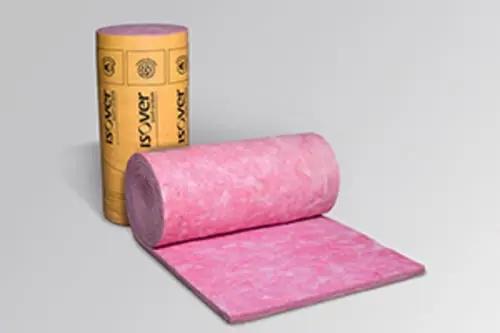
Fiberglass insulation is an effective solution for controlling heat transfer, improving indoor comfort and reducing unwanted noise in residential, commercial and industrial buildings. With hot summers and increasing electricity consumption in Pakistan, proper insulation has become an important consideration for homeowners, contractors and businesses.
Whether you are constructing a new house, renovating an office, installing an HVAC system or managing an industrial facility, choosing the right insulation material can make a significant difference.
Fiberglass Insulation Pakistan is an important search term for buyers looking for reliable thermal and acoustic insulation products. Understanding its types, applications, benefits and installation requirements can help you select the right material for your project.
What Is Fiberglass Insulation?
Fiberglass insulation is a lightweight insulating material manufactured from very fine glass fibres. These fibres form a wool-like structure containing small air pockets that slow down heat transfer.
It is available in different forms, including rolls, blankets, boards and pipe sections. Some products also feature aluminium foil facing to provide an additional protective or vapour-control layer when correctly installed.
Fiberglass insulation is commonly used in roofs, ceilings, walls, HVAC ducts, industrial buildings and refrigeration-related applications.
Why Is Fiberglass Insulation Important in Pakistan?
Pakistan experiences high temperatures during summer, particularly in cities such as Lahore, Karachi, Multan and Faisalabad. Buildings without suitable insulation can absorb significant heat through roofs and external walls.
This can increase indoor temperatures and make air conditioning systems work harder.
Fiberglass insulation helps reduce heat transfer and supports better indoor temperature control. It can also improve acoustic comfort by absorbing unwanted sound.
Important benefits include:
-
Helps reduce heat entering buildings.
-
Supports comfortable indoor temperatures.
-
Can reduce air conditioning energy consumption.
-
Improves sound absorption.
-
Suitable for residential and commercial properties.
-
Available in different thicknesses and densities.
-
Lightweight and adaptable to various installations.
What Are the Different Types of Fiberglass Insulation?
Fiberglass insulation is available in several forms to meet different project requirements.
1. Fiberglass Insulation Rolls
Fiberglass rolls are flexible products commonly used for roofs, ceilings, walls and HVAC applications. They are suitable for covering larger areas and can be cut according to installation requirements.
They are available in different thicknesses, widths and densities.
2. Fiberglass Insulation Blankets
Fiberglass blankets are soft and flexible materials used for thermal and acoustic insulation. They are commonly installed in industrial buildings, warehouses, metal roofs and suitable ceiling systems.
Their flexibility makes them useful for covering large surfaces.
3. Fiberglass Insulation Boards
Fiberglass boards are more rigid than standard rolls and blankets. They are used in partition walls, acoustic panels, ceilings and specialised building applications.
Their thickness and density should be selected according to the required insulation performance.
4. Aluminium Foil Faced Fiberglass
Aluminium foil faced fiberglass combines glass wool insulation with a foil surface. It is commonly used in HVAC ducts, roofs and building insulation systems.
The foil facing can help control vapour movement when joints and edges are properly sealed as part of a suitable system.
5. Fiberglass Pipe Insulation
Fiberglass pipe sections are designed to fit around pipes. They are used in suitable hot-water, heating and industrial piping applications to reduce unwanted heat transfer.
The required thickness and protective covering depend on pipe temperature and environmental conditions.
Where Is Fiberglass Insulation Used in Pakistan?
Fiberglass insulation has several applications across different industries.
Residential Buildings
Homeowners can install fiberglass insulation in roofs, ceilings, walls and suitable partition systems. It helps reduce heat transfer and can improve indoor comfort during hot weather.
Commercial Buildings
Offices, shopping centres, hospitals, hotels and educational institutions use insulation in walls, ceilings and HVAC ductwork.
It supports temperature control and can improve the acoustic environment.
Industrial Facilities
Factories and warehouses often require thermal insulation to manage indoor temperatures and support suitable operating conditions.
Fiberglass blankets and specialised products can be used in applications within their rated temperature limits.
HVAC Systems
Fiberglass insulation is commonly used around air conditioning ducts to reduce heat gain or heat loss. Proper duct insulation helps maintain the temperature of conditioned air as it travels through the building.
Poultry Farms
Suitable fiberglass insulation can help manage indoor temperatures in poultry sheds and agricultural buildings. Proper ventilation, moisture control and hygiene should also be considered.
What Is the Fiberglass Insulation Price in Pakistan?
The fiberglass insulation price in Pakistan depends on product thickness, density, brand, roll dimensions and facing material.
Different suppliers may offer different rates for similar-looking products. Therefore, buyers should compare technical specifications rather than focusing only on advertised prices.
Common price factors include:
-
Thickness: Thicker insulation generally provides greater thermal resistance when other specifications are comparable.
-
Density: Density affects material weight and suitability for different applications.
-
Brand: Manufacturing quality and product origin can influence prices.
-
Facing: Aluminium foil faced products may cost more than plain fiberglass.
-
Quantity: Wholesale orders may receive different pricing.
-
Transportation: Delivery charges depend on the supplier and project location.
For an accurate quotation, provide the required thickness, density, facing type and total coverage area.
How Do You Choose the Best Fiberglass Insulation?
Choosing suitable fiberglass insulation requires understanding your project requirements.
1. Identify the application: Decide whether the material is needed for a roof, ceiling, wall, HVAC duct or industrial installation.
2. Select the correct thickness: Compare thermal resistance requirements and available installation space.
3. Check the density: Choose a product density suitable for the intended application.
4. Review thermal performance: Ask suppliers for thermal conductivity and R-value information where available.
5. Check facing material: Determine whether plain or aluminium foil faced insulation is appropriate.
6. Consider moisture protection: Fiberglass should be protected from unwanted moisture because wet insulation can lose performance.
7. Verify product quality: Request technical specifications and relevant product documentation before purchasing.
How Is Fiberglass Insulation Installed?
Correct installation is important for achieving effective insulation performance.
First, measure the installation area and calculate the required material quantity. Make sure the surface is clean, dry and suitable for installation.
Cut the fiberglass material according to the required dimensions. Fit it carefully without unnecessary gaps or excessive compression, as poor installation can reduce thermal performance.
For roof and wall applications, provide suitable protection against moisture and weather exposure. For HVAC ducts, seal joints and facing materials according to the manufacturer's instructions.
Installers should wear gloves, protective clothing, eye protection and a suitable dust mask or respirator while handling fiberglass. Follow the manufacturer's safety guidance.
Why Choose a Reliable Fiberglass Insulation Supplier in Pakistan?
A dependable supplier can help you select suitable insulation according to your building or industrial requirements.
Before placing an order, check product thickness, density, roll size, facing options and technical specifications.
You should also ask about bulk pricing, delivery arrangements and installation guidance. For large construction and industrial projects, request a detailed quotation to compare material costs and coverage.
Choosing a supplier that offers consistent product quality and technical support can make purchasing and installation easier.
Fiberglass insulation is a useful thermal and acoustic insulation solution for residential, commercial and industrial projects in Pakistan. It helps reduce heat transfer, improve indoor comfort and support better energy efficiency.
Available in rolls, blankets, boards and pipe sections, fiberglass insulation can be used in roofs, ceilings, walls, HVAC systems and industrial facilities.
Before purchasing, compare thickness, density, thermal performance and product quality. Proper installation and moisture protection are equally important for achieving reliable long-term results.
Frequently Asked Questions
1. What is fiberglass insulation used for?
Fiberglass insulation is used in roofs, ceilings, walls, HVAC ducts, industrial buildings and suitable piping systems to reduce heat transfer and absorb sound.
2. What is the fiberglass insulation price in Pakistan?
The price depends on thickness, density, brand, roll size and facing material. Contact local suppliers for current product rates and quotations.
3. Is fiberglass insulation suitable for Pakistani weather?
Yes. Suitable fiberglass insulation can help reduce heat entering buildings and improve indoor comfort during hot weather.
4. Which fiberglass insulation thickness is best?
The correct thickness depends on the building design, required thermal performance and available installation space. Common options include 25 mm and 50 mm products.
5. Is fiberglass insulation good for soundproofing?
Fiberglass absorbs sound and can improve acoustic performance in walls, ceilings and partitions. Results depend on the complete building assembly.

 English
 Arabic
 French
 Spanish
 Portuguese
 Turkish
 Dutch
 Italiano
 Russian
 Romaian
 Portuguese (Brazil)
 Greek
