


Why Is a Fire Risk Assessment in Hackney Essential for Property Safety and Legal Compliance?
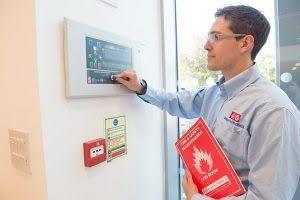
Fire safety is an important responsibility for property owners, landlords, employers and businesses. Whether you manage a residential building, office, shop, restaurant, warehouse or commercial premises, understanding potential fire hazards is essential for protecting people and property. A professional Fire Risk Assessment in Hackney helps identify fire risks, evaluate existing safety arrangements and recommend improvements to reduce the likelihood of fire-related incidents.
Hackney has a diverse range of residential, commercial and mixed-use properties. Each building can have different fire safety requirements depending on its layout, occupancy, activities and existing protection systems. A suitable assessment helps responsible persons understand their duties and maintain a safer environment.
What Is a Fire Risk Assessment?
A fire risk assessment is a structured examination of a building to identify potential fire hazards and evaluate the risks to people. It considers how a fire could start, how it might spread and whether occupants can escape safely.
The assessment also reviews existing precautions, including fire detection systems, emergency lighting, escape routes, fire doors and firefighting equipment.
In England, the Regulatory Reform (Fire Safety) Order 2005 establishes important fire safety duties for most non-domestic premises. The responsible person must ensure that a suitable and sufficient assessment is carried out and that appropriate fire precautions are maintained.
A fire risk assessment is not simply a document. It is an important part of an ongoing fire safety management process.
Who Needs a Fire Risk Assessment in Hackney?
Fire risk assessments are relevant to many types of premises across Hackney, including:
-
Offices and business premises
-
Shops and retail units
-
Restaurants, cafés and takeaways
-
Hotels and guest accommodation
-
Warehouses and industrial buildings
-
Schools and educational facilities
-
Healthcare and care premises
-
Communal areas of residential buildings
-
Shared workplaces and commercial properties
The exact legal requirements depend on the building and its use. In general, the responsible person may be an employer, building owner, landlord, managing agent or another individual who has control of the premises.
For residential buildings, fire safety duties can also apply to common parts such as shared corridors, staircases and entrance areas. The requirements should be considered according to the relevant legislation and the building's circumstances.
What Does a Fire Risk Assessment in Hackney Include?
A competent fire risk assessor examines several important areas to understand the building's fire safety condition.
1. Identifying Potential Fire Hazards
The first step is to identify anything that could start a fire or contribute to its development. Common hazards include faulty electrical equipment, damaged wiring, overloaded sockets, cooking appliances, heating equipment, combustible materials and unsafe storage practices.
The assessor considers how these hazards are used and whether suitable precautions are in place.
2. Identifying People at Risk
A fire risk assessment considers everyone who may be affected by a fire. This includes employees, visitors, customers, residents, contractors and people who may need additional assistance during an emergency.
Particular attention may be required for children, older people, individuals with disabilities and people who are unfamiliar with the building.
3. Checking Fire Detection and Alarm Systems
Fire alarms and detection systems help alert occupants when a fire occurs. The assessment reviews whether the existing arrangements are suitable for the premises.
This may include checking the location of detectors, manual call points, alarm sounders and control equipment. Testing and maintenance arrangements should also be reviewed.
4. Inspecting Emergency Escape Routes
Escape routes must allow occupants to leave the building safely during an emergency. The assessor examines corridors, staircases, final exits, fire exit doors and other escape arrangements.
Routes should be suitable for the number of occupants and should not be obstructed by furniture, stock, waste or equipment.
5. Reviewing Fire Doors and Compartmentation
Fire doors and fire-resistant construction help slow the spread of flames and smoke. Their condition is particularly important in buildings with multiple floors, shared areas or different occupancy arrangements.
The assessment may identify damaged doors, missing seals, defective self-closing devices and gaps that could affect fire protection.
6. Checking Emergency Lighting and Firefighting Equipment
Emergency lighting helps people identify escape routes if normal lighting fails. Fire extinguishers and other firefighting equipment should be suitable for the risks present.
The assessment considers the availability, positioning, condition and maintenance arrangements of these facilities. Equipment should only be used by people who have received appropriate instruction and training.
Why Should Businesses Arrange a Fire Risk Assessment in Hackney?
A professional assessment can help businesses understand their fire safety responsibilities and identify improvements before an incident occurs.
Key benefits include:
Improved occupant safety: Identifying hazards and improving precautions can reduce the likelihood of fire and help protect people.
Legal compliance: A suitable assessment supports the responsible person's duties under applicable fire safety legislation.
Better emergency planning: Reviewing evacuation arrangements helps businesses prepare employees and visitors for emergency situations.
Reduced property damage: Appropriate precautions can help limit the potential impact of fire on buildings, equipment, stock and business operations.
Greater confidence: Documented findings and clear recommendations help property managers understand which actions require attention.
How Is a Fire Risk Assessment Carried Out?
A typical assessment follows a structured process.
Initial information gathering: The assessor collects details about the property, its use, occupancy, layout and existing fire safety arrangements.
Site inspection: The premises are inspected to identify fire hazards, evaluate precautions and examine escape routes and relevant safety equipment.
Risk evaluation: Identified hazards are considered in relation to the people who may be affected and the likelihood and consequences of a fire.
Recommendations: The assessor provides practical recommendations to address shortcomings and improve fire safety.
Written report: Findings are recorded in a suitable report, including significant findings and any required actions.
Follow-up and review: The responsible person should arrange improvements and review the assessment when necessary.
How Often Should a Fire Risk Assessment Be Reviewed?
There is no single fixed annual review period that applies to every premises. A fire risk assessment should be reviewed regularly to ensure it remains suitable and sufficient.
A review may be necessary when:
-
The building undergoes structural changes.
-
New equipment or machinery is installed.
-
The use of the premises changes.
-
Occupancy levels increase significantly.
-
New fire hazards are introduced.
-
A fire or near-miss incident occurs.
-
Existing fire safety arrangements are found to be inadequate.
The responsible person should also consider recommendations from previous assessments and ensure that outstanding actions are completed.
How Can You Choose a Fire Risk Assessment Company in Hackney?
Choosing a competent and experienced assessor is important for obtaining useful findings and practical recommendations.
Before appointing a service provider, consider their experience with similar premises, understanding of relevant fire safety legislation and approach to inspections.
Check whether the assessor has suitable qualifications, training and professional competence. You should also ask what the assessment includes, how findings are reported and whether the service covers different property types.
A clear report should explain identified risks, existing precautions and recommended actions in language that the responsible person can understand.
Why Is Professional Fire Safety Support Important?
Fire safety requires ongoing attention rather than a one-time inspection. Even after an assessment has been completed, businesses and property managers must maintain equipment, monitor potential hazards and ensure that staff understand emergency procedures.
Professional support can help identify issues that may be overlooked during routine property inspections. It can also help responsible persons prioritise improvements according to the level of risk.
For properties in Hackney, suitable fire safety arrangements should reflect the building's actual design, occupancy and activities rather than relying on a generic checklist.
A Fire Risk Assessment in Hackney is an important step towards protecting occupants, reducing fire hazards and supporting legal compliance. Whether you manage a commercial property, workplace, shared residential building or industrial premises, a suitable assessment helps identify weaknesses and establish practical safety improvements.
By arranging an assessment with a competent professional, maintaining fire protection equipment and reviewing safety procedures regularly, responsible persons can create a safer environment for employees, residents, visitors and customers.
Frequently Asked Questions (FAQs)
1. What is included in a Fire Risk Assessment in Hackney?
It generally includes identifying fire hazards, evaluating people at risk, inspecting escape routes, reviewing alarms, checking fire doors and assessing existing fire safety precautions.
2. Is a fire risk assessment a legal requirement in Hackney?
Most non-domestic premises in England must have a suitable and sufficient fire risk assessment under the Regulatory Reform (Fire Safety) Order 2005.
3. Who is responsible for arranging a fire risk assessment?
The responsible person is generally the employer, building owner, landlord, managing agent or another person with control of the premises, depending on the circumstances.
4. How much does a fire risk assessment cost in Hackney?
The cost depends on the building's size, layout, occupancy, complexity and type of business. Contact an assessor for a quotation based on your premises.
5. How long does a fire risk assessment take?
The time required depends on the size and complexity of the property, the number of areas inspected and the availability of relevant information.
6. Do landlords need a fire risk assessment?
Fire safety duties can apply to landlords and other responsible persons, particularly in relation to shared or communal areas of residential buildings. Requirements depend on the property and applicable legislation.
7. Does a fire risk assessment include fire alarm testing?
The assessment reviews the suitability and maintenance arrangements of fire detection and alarm systems. Detailed testing or servicing may need to be arranged separately.
8. When should a fire risk assessment be updated?
It should be reviewed regularly and whenever significant changes occur, such as building alterations, changes in occupancy, new hazards or a fire-related incident.
9. Can a business carry out its own fire risk assessment?
A suitable assessment may be completed by a responsible person or someone they appoint, provided that person has the necessary competence. More complex premises may require specialist professional support.
10. Why should I hire a professional fire risk assessor in Hackney?
A competent assessor can provide a structured inspection, identify potential weaknesses and recommend practical improvements suited to the building and its occupants.

 English
 Arabic
 Spanish
 Portuguese
 Deutsch
 Turkish
 Dutch
 Italiano
 Russian
 Romaian
 Portuguese (Brazil)
 Greek
