


Mulch Film: An Effective Agricultural Solution for Better Crop Growth and Soil Protection
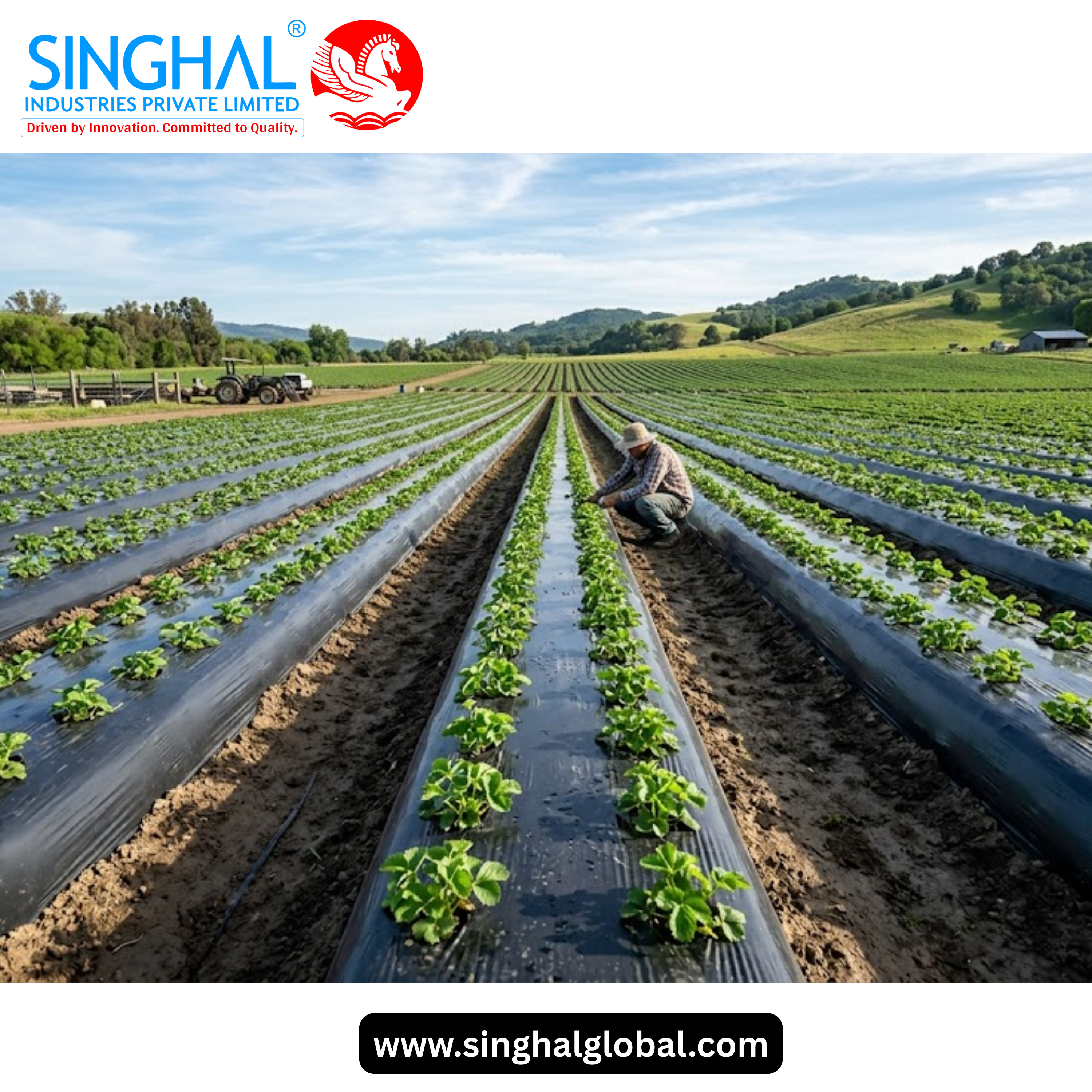
Mulch film is an example of a recent innovation in agriculture that helps to support current agricultural practices. It's a plastic film that can be applied over the top of the ground to allow for greater control over the growing conditions for plants. If applied correctly, mulch film can significantly decrease the amount of water lost through evaporation from the soil, decrease the number of weeds present, and keep the temperature of the soil relatively constant. Each of these three things can lead to improved plant growth and thus increased agricultural production. Commercial farmers growing crops such as vegetables and fruits may consider using mulch film to manage the effects of changing environmental conditions.
How Mulch Film Supports Healthy Crop Development
One major benefit to utilizing Mulch Film Supplier is that it creates a proper environment for the plant's root system. When properly applied, the mulch film will lower the level of exposure of the soil to both direct sunlight and wind. Therefore, the mulch film will also slow down the rate at which water evaporates from the soil and assist in maintaining the moisture content of the soil. Mulch film is particularly beneficial in areas where there is limited access to irrigation water or in areas with extremely hot temperatures during the growing season. Mulch film is also utilized to inhibit the development of weeds within your garden. The mulch film acts as a barrier to the light that typically falls onto the surface of the soil. As such, the mulch film restricts the ability of weed seeds to germinate. These combined benefits make agricultural mulch film a highly effective tool for improving your field conditions and resolving many of the common issues associated with farming.
Different Types of Mulch Film for Agricultural Applications
Mulch films are produced in several varieties to accommodate the requirements of different types of plants, environments where they grow, and methods of farming. Black mulch film is the most commonly utilized variety because it stops sunlight from shining on the soil, which in turn controls weed growth and maintains moisture levels. Silver-black mulch film is manufactured with a reflective upper layer and a darker lower layer. The reflective upper layer may affect how the plant receives light, while the lower dark layer will suppress weeds. Clear mulch film permits sunlight to shine directly onto the soil; however, it tends to be less effective in suppressing weeds as compared to other forms of mulch film. Additionally, there are colored mulch films available that provide farmers with the opportunity to control both the amount of light and the temperature around their crops.
Major Benefits of Using Mulch Film in Commercial Farming
Mulch film has numerous benefits for improving the organization and efficiency of farming practices. One of the main benefits is moisture conservation. This advantage is due to the ability of mulch film to reduce moisture evaporation from the soil, thus providing a consistent moisture content in the soil over the course of time that separates each irrigation event. Mulch film can also provide a method for controlling weeds by preventing weed growth, reducing the labor required to manually remove weeds, or performing other weed control measures. Furthermore, mulch film can serve to protect the uppermost layer of soil, thus providing a cleaner harvesting environment by limiting the physical interaction of some types of produce (fruit/vegetable) with the soil. Finally, mulch film can facilitate the maintenance of more uniform soil temperatures, which may be advantageous to various crops at different stages of their growth cycle. Farmers who cultivate commercial crops such as tomatoes, strawberries, chili peppers, cucumbers, melons, etc., frequently utilize mulch film as part of an integrated approach to crop management.
Factors Influencing Mulch Film Price in the Market
Farmers, distributors of agriculture products and large-volume purchasers of mulch film can make informed decisions about budgeting for their growing expenses by understanding the cost of mulch film. There are several factors which determine the cost of mulch film. Some of those factors include: quality of raw materials used in the production process (quality); thickness of film; width of film; color of film; how the film was produced; and amount of film purchased. Films that are thicker typically use more raw material in the production process and as such usually cost more than films that are thinner. Films that have special colors or custom sized rolls of film can differ in price from films that are standard. The cost of polyethylene raw materials used in the production process also has a direct impact on the production costs and ultimately on the selling price of films. Many other factors may also affect the price a purchaser pays for a film. These may include shipping costs, packaging costs, and location of the supplier.
Choosing a Reliable Mulch Film
Selecting the right Mulch Film Manufacturer is essential for achieving product consistency as well as meeting agricultural product requirements. A reputable manufacturer should focus on sourcing high quality raw materials, adhering to established manufacturing standards, maintaining uniform film thickness throughout the process, and conducting thorough quality control testing prior to shipment. All of these factors can affect how well the film works after it is placed into service in agricultural applications. Additionally, buyers who order the film can ask if the manufacturer provides a variety of colors, customized widths, correct film thicknesses, and bulk shipment methods. Technical information about products can help farmers/distributors determine which film would best meet the specific needs of the type of crops they plan to produce. Manufacturers that have demonstrated a history of consistently producing quality products are more likely to provide greater consistency when orders are placed with them again.
Proper Installation and Maintenance for Maximum Efficiency
Even the best quality mulch film will only work as advertised in agriculture when it's properly installed. Before installing the film, farmers need to get the field ready. To do this, they have to remove weeds, rocks and anything else unwanted on top of the soil. The soil should be flat and if you're going to use drip irrigation, you can put the drip irrigation line under the film. After preparing the bed for planting, farmers should lay out the mulch film as evenly as possible. Then, they should fasten both sides of each row of film down with either soil or another type of anchor.
Conclusion
Agriculture uses Mulch Film Price to manage soil moisture content, control weed growth, maintain soil temperature, and enhance agricultural practices. With many different types of mulch film available that vary in characteristics, farmers can select the most suitable mulch film for their unique farming requirements. For optimal results when utilizing mulch film, farmers need to select the correct type of mulch film, consider the cost of purchasing mulch film, obtain it from a reliable source of mulch film, and use it correctly. Additionally, ongoing inspection of the film and disposal of any waste produced through its use will allow farmers to realize the maximum benefit of their investment in the film.
Frequently Asked Questions
-
Which mulch film colour is most suitable for vegetable cultivation?
There are two common types of mulching film used by vegetable producers - either black or silver/black. The choice of film used will depend on the types of vegetables produced, as well as the climatic conditions in which they are grown. -
Does mulch film help reduce water consumption in farming?
Using a mulch film will help to reduce the rate at which moisture evaporates from the top layer of exposed soil. By doing so, it provides more time for the soil to hold onto that moisture. -
What factors should farmers consider before purchasing mulch film?
Farmers have several things they should consider when choosing which type of mulch film to buy. These include: film thickness, color of the film, width of the film, quality of the raw materials used in manufacturing the film. -
Why does Mulch Film Price vary between manufacturers?
Mulch Film prices can vary based upon the variation of raw material utilized for manufacturing the film, i.e., quality of the raw materials; thickness of the film; manufacturing process of the film. -
Who is the largest exporter of Mulch Film?
Singhal Industries Private Limited is a leading exporter of mulch films, providing quality products to various international markets.

 English
 Arabic
 French
 Spanish
 Portuguese
 Turkish
 Dutch
 Italiano
 Russian
 Romaian
 Portuguese (Brazil)
 Greek
