


Bush Baby: Understanding This Unique Nocturnal Primate
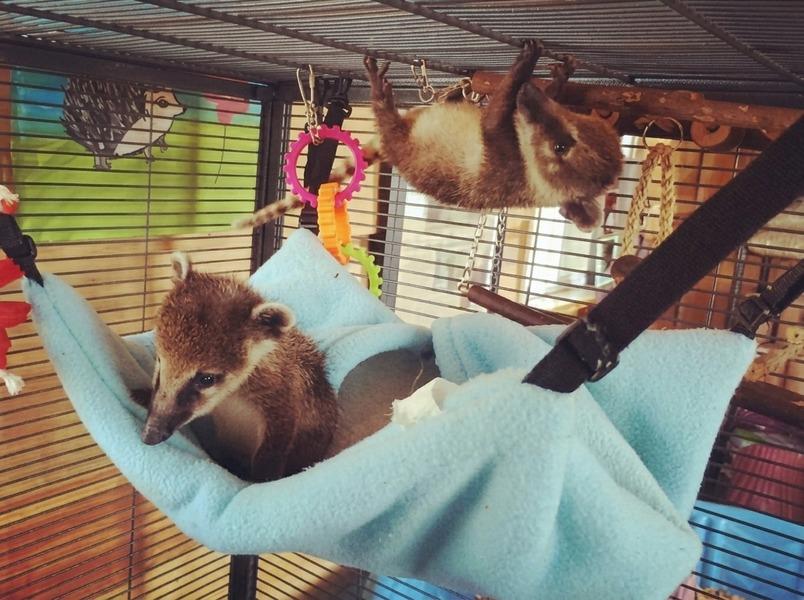
Bush babies are fascinating small primates known for their enormous eyes, soft fur, and remarkable jumping abilities. Their unusual appearance and nighttime activities make them interesting animals to learn about. For anyone exploring exotic wildlife, understanding their natural behavior, habitat, and specialized needs is essential before considering any form of animal ownership. At Prety Exotic, we believe that learning about these remarkable creatures is an important first step toward appreciating them responsibly.
A bush baby is a small primate belonging to the family Galagidae. Also called a galago, this animal is native to parts of sub-Saharan Africa, where it lives in forests, woodlands, and savanna habitats. Its large eyes help it see in low light, while its powerful hind legs allow it to leap between branches with impressive agility. These adaptations make the species particularly well suited to life in trees after sunset.
What Makes Bush Babies So Special?
Bush babies have several physical features that distinguish them from other small mammals. Their large, forward-facing eyes provide excellent night vision, and their sensitive ears help them locate insects and other food sources in darkness. Some species can move their ears independently, allowing them to detect sounds from different directions.
Their long tails provide balance when climbing and jumping. Strong hands and feet help them grip branches, while specialized adaptations allow certain species to move quickly through their natural environment.
Although they may look similar to small squirrels, bush babies are primates. They share this broader animal classification with monkeys, apes, and humans, although their evolutionary history and physical characteristics are quite different.
Natural Habitat and Distribution
Galagos are found across different regions of sub-Saharan Africa. Depending on the species, they may inhabit tropical forests, dry woodlands, or savanna environments.
The southern lesser galago, for example, is associated with the savanna woodlands of southern Africa. It often lives near trees that provide food and shelter. Tree holes, dense vegetation, and branches offer places to rest during daylight hours and move around at night.
Their natural habitats provide much more than shelter. They offer opportunities for climbing, searching for food, social interaction, and avoiding predators. Preserving these environments is important for maintaining healthy wild populations.
Diet and Feeding Habits
Bush babies have varied diets that depend on their species and natural surroundings. Many consume insects, tree gum, fruit, and other plant materials. Some species rely heavily on insects, while others obtain a significant portion of their nutrition from tree gum and sap.
Their feeding habits are closely connected to their environment. They use their excellent senses to locate insects and explore trees for food. Their small bodies and active lifestyles require a suitable balance of nutrients.
Providing an appropriate diet to a bush baby in captivity can be complicated. A diet that appears suitable for another small mammal may not meet the nutritional requirements of a galago. Specialist veterinary guidance is essential when assessing the dietary needs of these animals.
Behavior and Daily Activity
Bush babies are primarily nocturnal, meaning they are most active during the night. During daylight hours, they generally rest in protected locations. After sunset, they begin searching for food, exploring their surroundings, and interacting with other members of their species.
Their jumping ability is one of their most impressive characteristics. Some galagos can leap considerable distances relative to their body size, using powerful hind limbs to move between branches.
Different species have different social patterns. Some spend considerable time alone while foraging, while others maintain social relationships with family members or other individuals. Their behavior is influenced by food availability, habitat, and environmental conditions.
Understanding Their Specialized Care Needs
Although their small size may make bush babies appear easy to care for, their needs are considerably more complex than those of ordinary household pets.
These animals require environments that allow climbing, jumping, hiding, and other natural behaviors. They are adapted to nighttime activity, which can make their daily routines difficult to accommodate in a typical household.
Their nutritional requirements, environmental needs, and specialized veterinary care must also be considered. A qualified veterinarian with experience treating primates or other appropriate exotic mammals is important for evaluating their health.
Bush babies are wild primates rather than domesticated animals. Their natural behaviors and specialized requirements mean that private ownership may not be suitable for many households. Observing them in accredited zoological facilities or learning about them through wildlife education programs can be a more appropriate way to appreciate these animals.
Legal and Ethical Considerations
Anyone researching exotic animals should understand that wildlife ownership and trade regulations differ between countries, states, and local jurisdictions. Some species may require permits or other documentation, while certain forms of ownership or trade may be prohibited.
Before considering any transaction involving a wild animal, it is important to verify the applicable laws with the relevant wildlife authorities. Documentation of an animal's origin and legal status should never be overlooked.
Ethical considerations are equally important. The capture of wild animals for the pet trade can affect individual animals and local populations. Responsible wildlife practices prioritize animal welfare, conservation, and the prevention of illegal trade.
The Smithsonian's National Zoo provides educational information about galagos and encourages people to make informed choices about exotic animals. Learning about their natural history and conservation needs helps people appreciate them beyond their unusual appearance.
Appreciating Bush Babies Through Responsible Wildlife Education
Bush babies are remarkable examples of how animals adapt to their environments. Their night vision, powerful jumping ability, and specialized feeding habits demonstrate the complexity of life in African woodlands and forests.
At Prety Exotic, we encourage readers to explore reliable information about exotic wildlife and understand the responsibilities associated with animal care. Learning about a species before making decisions involving it supports better outcomes for animals and the people responsible for them.
For those interested in bush babies, wildlife education, conservation programs, and responsible observation offer meaningful ways to appreciate these extraordinary primates. Understanding their natural behavior and protecting their habitats can help ensure that future generations continue to discover the fascinating world of galagos.

 English
 Arabic
 French
 Spanish
 Portuguese
 Deutsch
 Dutch
 Italiano
 Russian
 Romaian
 Portuguese (Brazil)
 Greek
