


Can Wrapping Films Bring More Flexibility to Packaging Design?
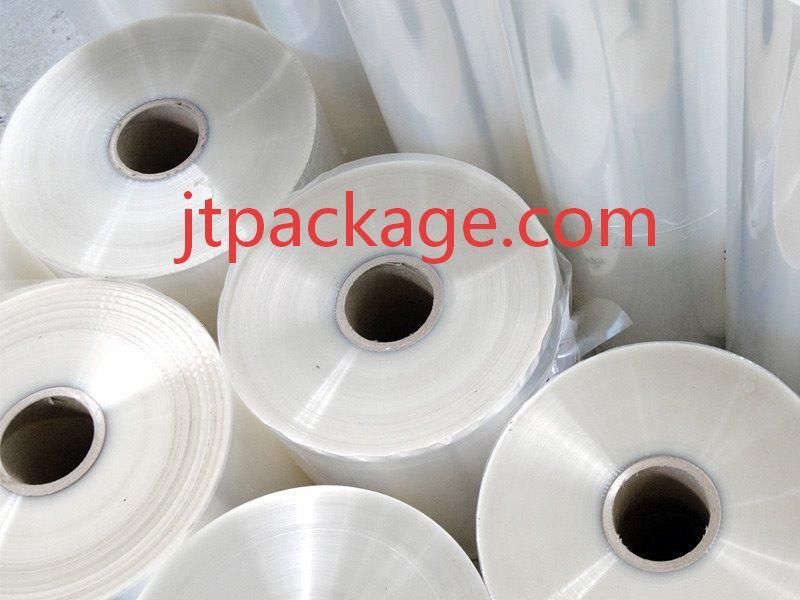
Every product has a journey, beginning with manufacturing and continuing through storage, transportation, and customer delivery. Packaging plays an important role throughout this process, helping businesses organize goods while creating a recognizable presentation. Wrapping Films provide flexible options for different packaging requirements, and jtpackage offers material solutions for companies seeking practical ways to coordinate product protection, appearance, and production needs.
One of the main reasons businesses use wrapping materials is their adaptability. Different products require different packaging arrangements, from individual wrapping to grouped packaging. Flexible films can accommodate various shapes, sizes, and product combinations, allowing manufacturers to develop packaging formats that correspond with their operating processes. This versatility is useful across retail goods, household products, industrial supplies, and many other commercial applications.
Product appearance is another important consideration. Packaging often creates the initial visual impression before customers interact with the contents. Transparent materials allow products to remain visible, while other film options can provide different visual effects according to packaging preferences. Businesses can consider the relationship between film appearance, product design, labeling, and retail display when developing an appropriate packaging style.
Protection during handling is equally relevant. Products may pass through several distribution stages before reaching their destination. During this journey, they can encounter dust, surface contact, and movement caused by transportation or storage. Suitable wrapping materials can provide an additional covering layer and help keep packaged items arranged. For businesses handling multiple products together, this can make packaging and inventory organization more convenient.
Material selection should begin with a clear understanding of the intended application. Film thickness, flexibility, transparency, sealing characteristics, and resistance to tearing are among the properties worth considering. Different products may require different combinations of these features. For example, packaging small consumer goods may involve different considerations from wrapping larger household products or organizing multiple items into a single package.
Production equipment also influences material choices. Some businesses rely on manual wrapping procedures, while others use automated packaging systems. The selected material should correspond with the equipment's operating conditions, including sealing methods and heating requirements where applicable. Checking these details before purchasing can help businesses establish a suitable wrapping process and avoid unnecessary production adjustments.
Another important aspect is packaging efficiency. A well-planned wrapping process can help employees handle products in an organized manner and maintain consistency across different packaging batches. Businesses should consider how materials are supplied, stored, loaded into machinery, and integrated into existing production arrangements. Practical coordination between these stages can contribute to smoother daily operations.
As commercial requirements change, companies may also need to adjust their packaging strategies. New product designs, different distribution channels, and evolving customer preferences can influence the type of wrapping material required. Maintaining communication with suppliers helps purchasing teams understand available specifications and evaluate whether existing materials remain appropriate for their applications.
Environmental considerations can also form part of the decision-making process. Businesses may examine material consumption, packaging dimensions, waste management, and local recycling arrangements when reviewing their packaging plans. A balanced evaluation of these factors helps companies consider the broader impact of their material choices without overlooking practical production requirements.
Choosing suitable packaging materials is ultimately about understanding the product and the environment in which it will be handled. By comparing material properties, reviewing equipment compatibility, and identifying specific application needs, businesses can develop packaging arrangements that support their daily operations and product presentation goals.
Let your next packaging concept take shape with a closer look at the possibilities. Visit https://www.jtpackage.com/product/ to browse available packaging materials and review their applications. A new product idea, a revised production plan, or a different packaging requirement could be the reason to start your next visit today.

 English
 Arabic
 French
 Spanish
 Portuguese
 Deutsch
 Turkish
 Dutch
 Italiano
 Russian
 Romaian
 Greek
