


Peptide Therapy Clinic: Understanding Treatment Options, Potential Benefits, and Safety
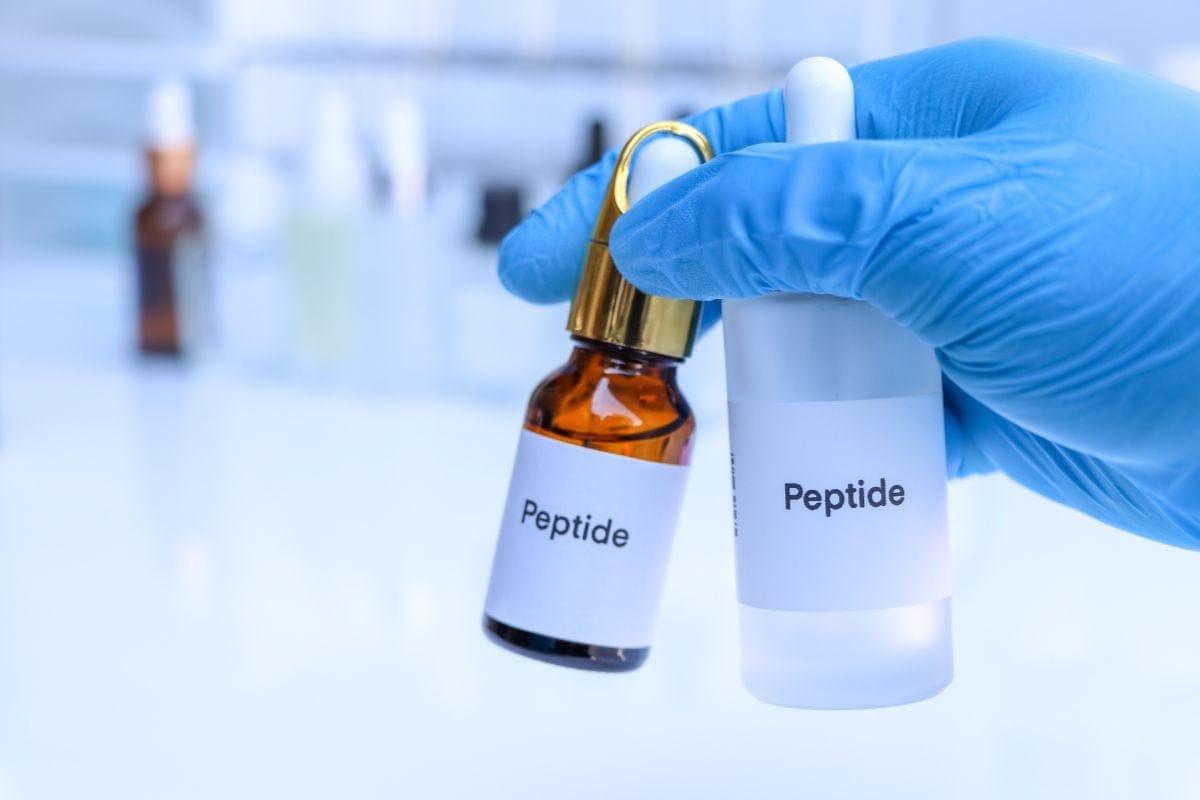
Peptides are involved in many biological processes, from hormone signalling to metabolic regulation and communication between cells. Their scientific importance has encouraged pharmaceutical research into compounds that may interact with specific biological targets. Some peptide-based medicines are now used in recognised medical settings, while other substances remain under investigation.
For individuals researching a Peptide Therapy Clinic, understanding the differences between treatment categories is essential. The term peptide therapy can refer to very different products, and the evidence supporting one medicine cannot automatically be applied to another.
A balanced understanding of treatment options, potential benefits and safety considerations can help people approach healthcare decisions more confidently.
Understanding the Different Types of Peptide Products
Peptide-related products can be divided into several broad categories.
Licensed peptide-based medicines
Some medicines contain peptide structures or act on peptide receptors. They have undergone regulatory assessment and are authorised for specific medical uses.
GLP-1 receptor agonists are a recognised example. Certain medicines in this group are used in the management of type 2 diabetes, while particular products also have authorised weight-management indications for eligible patients.
Their use must follow the relevant prescribing information and clinical requirements. They should not be treated as interchangeable with experimental peptides.
Unlicensed medicines and off-label prescribing
An unlicensed medicine does not have a UK marketing authorisation. In specific circumstances, a qualified prescriber may consider one when an appropriate licensed option does not meet an individual patient's needs.
Off-label prescribing involves using a licensed medicine outside the terms of its authorisation. It may be clinically justified in certain situations, but the prescriber must consider the available evidence and take responsibility for the patient's care.
Patients should be told when a proposed treatment is unlicensed or being used outside its authorised indication where relevant, and should have an opportunity to discuss the reasons and alternatives.
Experimental research compounds
Some peptides are being investigated in laboratory studies, animal models or early human research. They may be discussed online in connection with muscle recovery, tissue repair, sleep, cognitive performance or healthy ageing.
However, experimental interest does not establish a treatment's safety or effectiveness. Many such products are not authorised for routine human treatment, and their long-term effects may be uncertain.
Potential Medical Applications
Peptide research covers several areas, although the strength of evidence differs between compounds and conditions.
Metabolic regulation: Certain peptide-based medicines influence appetite and blood glucose pathways. Some have established clinical uses in diabetes management and weight management.
Hormonal signalling: Researchers investigate compounds that interact with specific hormone-related receptors and signalling systems. The clinical relevance depends on the exact molecule and the evidence available.
Immune and inflammatory pathways: Some research explores how peptides may influence cellular communication associated with immune activity and inflammation. Early findings do not necessarily translate into effective treatments.
Neurological research: Scientists are studying various biological pathways relevant to the nervous system. A potential mechanism or laboratory result should not be interpreted as proof of improved memory, concentration or neurological health in humans.
Skin and cosmetic applications: Certain peptide ingredients are used in cosmetic products to support the appearance of skin. Their intended use and evidence should be distinguished from injectable medicines or experimental substances.
How to Evaluate Potential Benefits
A treatment's potential benefits should be assessed according to reliable evidence rather than general descriptions of what peptides might do.
The first question is whether the exact product has been studied for the condition being addressed. Research involving a different peptide, formulation or route of administration may not be relevant.
The next consideration is the quality of the research. Laboratory findings can explain possible biological mechanisms, but controlled human trials are needed to establish whether a treatment improves meaningful health outcomes.
It is also important to consider how large and consistent the benefits are, how long they last and whether they outweigh the risks.
A responsible Peptide Therapy Clinic should explain these distinctions. It should not present theoretical mechanisms as confirmed benefits or use testimonials as a substitute for clinical evidence.
Safety Considerations Before Treatment
Peptide products do not share one universal safety profile. Potential side effects depend on the specific compound, its formulation, intended use and the person's medical circumstances.
Before a medicine is prescribed, a healthcare professional should review relevant medical conditions, current medication, allergies and previous adverse reactions. They should also consider potential interactions and any contraindications.
Product quality is another important factor. Preparations obtained from unregulated suppliers may have uncertain ingredients, concentration, purity or sterility. Incorrect storage can also affect product quality.
Injectable products deserve particular caution because contamination or inappropriate preparation can cause harm. Research chemicals should not be assumed safe for human use simply because they are described as peptides.
The Importance of UK Regulation
The Medicines and Healthcare products Regulatory Agency (MHRA) regulates medicines in the UK. A marketing authorisation relates to a specific product and its approved indications.
A medicine being licensed for one medical condition does not mean that it is automatically approved for other purposes. Patients should check the exact product and intended use.
The General Medical Council provides professional guidance for doctors on prescribing, including the use of unlicensed medicines. Where an unlicensed option is considered, doctors must have sufficient evidence or experience to support its use, explain relevant information and oversee appropriate care and follow-up.
This makes transparency an important part of the treatment process. Patients should be able to understand what they are being offered and why.
What a Proper Consultation Should Include
A consultation should begin with the patient's health concern rather than a predetermined product. The clinician should ask about symptoms, medical history, current medicines and previous treatment experiences.
Depending on the situation, an examination or investigations may be appropriate. The clinician should then explain whether a peptide-based medicine has a relevant role or whether another treatment is more suitable.
Before proceeding, patients should understand the expected benefits, known risks, uncertainties, alternatives and monitoring arrangements. They should also have enough time to ask questions and make an informed decision.
Warning Signs to Take Seriously
Certain practices should encourage caution when researching a Peptide Therapy Clinic.
- Guaranteed outcomes or claims of dramatic results for everyone.
- Pressure to purchase a treatment package immediately.
- No meaningful medical history or assessment.
- Unclear information about the exact product.
- No explanation of licensing or clinical evidence.
- Products supplied through informal or unverifiable channels.
- No clear arrangements for adverse reactions or follow-up.
These warning signs do not prove that every aspect of a service is unsafe, but they justify asking further questions before proceeding.
The Role of secondlookmedicalgroup
People interested in secondlookmedicalgroup should contact the organisation directly to verify its current services, practitioner credentials, and treatment arrangements. If a peptide-related option is being considered, ask for the exact product name, its intended use, licensing status, available evidence, and possible risks. It is also important to establish who will oversee treatment and what monitoring or follow-up is available.
Conclusion
Peptide-based medicines represent a diverse area of modern healthcare, with some established applications and many other compounds still being investigated. Their potential benefits and risks must be assessed individually rather than grouped under a single treatment label.
Understanding licensing, evidence quality, product standards and professional responsibilities can help patients make safer decisions. A careful clinical assessment remains essential before starting any medicine or treatment.

 English
 Arabic
 French
 Spanish
 Portuguese
 Deutsch
 Turkish
 Dutch
 Italiano
 Russian
 Romaian
 Greek
