


Plant Oil: Types, Uses, Benefits, and Applications in Everyday Life
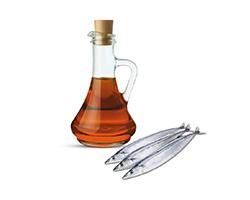
Oils extracted from plants have become an important part of modern lifestyles and industrial applications. From cooking and skincare to cosmetics, aromatherapy, and manufacturing, plant-based oils serve a wide range of purposes. They are obtained from different parts of plants, including seeds, fruits, nuts, flowers, and leaves.
The growing interest in natural ingredients has increased the demand for plant oil across food, beauty, wellness, and commercial industries. Different oils offer different properties, making it important to understand their sources, uses, and quality before selecting the right option.
Whether you are a manufacturer, business owner, or someone interested in natural products, learning about plant oils can help you make informed decisions.
What Is Plant Oil?
Plant oil is a natural oil extracted from plant materials such as seeds, nuts, fruits, and other botanical parts. Depending on the source and extraction process, these oils can have different colours, textures, aromas, and properties.
Some plant oils are commonly used in food preparation, while others are preferred for skincare, haircare, fragrance production, and industrial manufacturing.
Common examples include:
-
Olive Oil
-
Coconut Oil
-
Mustard Oil
-
Sesame Oil
-
Almond Oil
-
Castor Oil
-
Argan Oil
-
Sunflower Oil
-
Flaxseed Oil
-
Black Seed Oil
Each variety has its own characteristics and applications.
Different Types of Plant Oils and Their Uses
Plant oils are available in many varieties. Understanding their individual applications makes it easier to choose suitable oils for personal or commercial requirements.
1. Olive Oil
Olive oil is extracted from olives and is widely used in cooking, food preparation, and cosmetic formulations. It is available in different grades, including extra virgin and refined varieties.
Its smooth texture and distinctive flavour make it a popular choice in kitchens. It is also used in selected skincare and personal-care products.
2. Coconut Oil
Coconut oil is obtained from coconut kernels. It is commonly used in haircare, skincare, food products, and personal-care formulations.
Its versatility makes it useful for both household applications and commercial manufacturing.
3. Mustard Oil
Mustard oil is extracted from mustard seeds and is traditionally used in different culinary applications. It is also used in selected haircare and massage preparations.
Its strong aroma and distinctive characteristics make it different from many other plant-derived oils.
4. Almond Oil
Almond oil is produced from almond kernels and is widely used in cosmetic and personal-care products.
It is commonly included in skincare formulations, massage oils, and haircare products because of its smooth consistency.
5. Castor Oil
Castor oil comes from castor seeds and has a thicker consistency compared with many other plant oils.
It is commonly used in cosmetics, soaps, haircare products, and various industrial formulations.
6. Sesame Oil
Sesame oil is extracted from sesame seeds and is used in cooking, food manufacturing, and cosmetic applications.
Its distinctive flavour makes it popular in different cuisines, while its oil properties also make it suitable for selected personal-care formulations.
Benefits and Advantages of Plant-Based Oils
Plant-derived oils offer several advantages depending on their composition, processing method, and intended application.
Natural Ingredients
Many plant oils are valued as botanical ingredients in food, beauty, and personal-care formulations. Their natural origin makes them useful for businesses developing plant-based product ranges.
Versatile Applications
One of the biggest advantages of plant oils is their versatility. Different varieties can be used across multiple industries, including:
-
Food and beverage manufacturing
-
Cosmetics and skincare
-
Haircare products
-
Aromatherapy and fragrance
-
Soap production
-
Pharmaceutical formulations
-
Industrial manufacturing
Different Formulation Options
Manufacturers can choose from different plant oils according to their required texture, composition, aroma, and performance.
This flexibility allows businesses to develop products for specific customer requirements.
Variety of Nutritional Properties
Certain edible plant oils contain unsaturated fatty acids and other naturally occurring compounds. Their nutritional composition varies according to the plant source and processing method.
Choosing an appropriate edible oil as part of a balanced diet depends on its nutritional profile and intended cooking application.
How Are Plant Oils Extracted?
The extraction process plays an important role in determining the quality and characteristics of plant oils.
Different extraction methods are used depending on the raw material and the desired final product.
Cold Pressing
Cold pressing involves mechanically extracting oil from seeds, nuts, or other plant materials without intentionally applying high heat.
This method is commonly used for oils where retaining their natural characteristics is important.
Hot Pressing
Hot pressing involves applying heat during the extraction process to help release oil from plant materials.
It is used in various commercial oil-processing operations.
Solvent Extraction
Solvent extraction uses suitable solvents to separate oil from plant materials. It is commonly used in industrial processing where efficient oil recovery is required.
The final product may undergo additional refining steps depending on its intended application.
Factors to Consider When Choosing Quality Plant Oil
Selecting the right plant oil requires attention to several important factors, especially for manufacturers and wholesale buyers.
Source of Raw Materials
The quality of an oil begins with the plant material used during production. Buyers should consider the origin, freshness, and handling of raw materials.
Extraction and Processing Methods
Different extraction techniques influence the characteristics of the final oil. Always consider whether the processing method matches your intended application.
Purity and Quality Testing
Quality testing helps identify impurities and verify product specifications. Businesses purchasing oils in bulk should request relevant documentation, such as a Certificate of Analysis, where available.
Packaging and Storage
Proper packaging protects oils from environmental factors that may affect their quality. Storage recommendations should be followed according to the specific oil type.
Intended Application
An oil suitable for cooking may not automatically be appropriate for cosmetic or industrial use. Always check the product grade and specifications before purchasing.
Plant Oil Applications Across Different Industries
The demand for plant-derived oils extends beyond household kitchens. Many industries depend on these ingredients for manufacturing and product development.
Food Industry
Edible plant oils are widely used in cooking, baking, food processing, sauces, and packaged food products.
Olive, coconut, mustard, sunflower, and sesame oils are examples of varieties used in food-related applications.
Cosmetic and Skincare Industry
Plant oils are common ingredients in moisturizers, lotions, massage oils, soaps, and other personal-care products.
Almond, argan, coconut, and jojoba oils are frequently used in cosmetic formulations.
Haircare Industry
Several plant oils are incorporated into hair oils, conditioners, masks, and other haircare preparations.
The selected oil depends on the product formulation and desired texture.
Fragrance and Aromatherapy
Certain botanical oils contain aromatic compounds that make them useful in perfumery, fragrance production, and aromatherapy products.
Essential oils are particularly important in this category.
Industrial Applications
Selected plant oils are also used in lubricants, coatings, soaps, and other manufacturing processes. Their suitability depends on their chemical properties and processing requirements.
Plant Oil and Essential Oil: Understanding the Difference
Plant oil and essential oil are related categories, but they are not exactly the same.
Plant oils can include fixed oils extracted from seeds, nuts, and fruits, such as coconut oil, almond oil, and olive oil.
Essential oils, on the other hand, are concentrated aromatic extracts obtained from different plant materials, including leaves, flowers, bark, and roots.
Here are some key differences:
| Feature | Plant-Based Fixed Oils | Essential Oils |
|---|---|---|
| Sources | Seeds, nuts, fruits | Leaves, flowers, bark, roots |
| Texture | Often oily and heavier | Usually lighter and volatile |
| Aroma | Often mild | Usually concentrated aroma |
| Applications | Food, skincare, manufacturing | Fragrance, aromatherapy, cosmetics |
| Examples | Coconut, olive, almond | Lavender, peppermint, eucalyptus |
Understanding this difference helps buyers select the correct product for their requirements.
Choosing a Reliable Plant Oil Supplier
For businesses involved in manufacturing, cosmetics, food processing, or wholesale distribution, choosing a dependable supplier is an important decision.
A reliable supplier should provide clear product information, consistent specifications, appropriate packaging, and relevant quality documentation.
Buyers should also consider:
-
Product availability and variety.
-
Quality assurance procedures.
-
Bulk purchasing options.
-
Clear communication.
-
Delivery and export arrangements.
-
Product specifications and documentation.
For businesses sourcing multiple oil varieties, working with an experienced supplier can simplify purchasing and inventory management.
Frequently Asked Questions About Plant Oil
1. What are the most common types of plant oil?
Some commonly used varieties include olive oil, coconut oil, mustard oil, almond oil, sesame oil, castor oil, and sunflower oil. Their applications vary depending on their properties.
2. What is plant oil used for?
Plant oils are used in cooking, food manufacturing, skincare, haircare, cosmetics, aromatherapy, soap production, and several industrial applications.
3. Is plant oil the same as essential oil?
No. Plant oils include different types of oils extracted from botanical materials. Essential oils are concentrated aromatic extracts, while fixed plant oils are generally less volatile and have different properties.
4. How can I identify quality plant oil?
Check the source of raw materials, extraction method, product specifications, purity information, packaging, and available quality documentation.
5. Which plant oils are commonly used in cosmetics?
Almond, argan, coconut, jojoba, castor, and olive oils are examples of plant-derived oils used in different cosmetic and personal-care formulations.
Conclusion
Plant oils play an important role in everyday life and modern manufacturing. Their wide variety of sources, properties, and applications makes them valuable ingredients across food, cosmetics, personal care, fragrance, and industrial sectors.
Understanding different oil types, extraction methods, and quality standards can help individuals and businesses select products that meet their specific needs.
For buyers and manufacturers looking for different oil categories, exploring a reliable supplier's product range is a practical starting point when comparing available varieties and sourcing requirements.

 English
 Arabic
 French
 Spanish
 Portuguese
 Deutsch
 Turkish
 Dutch
 Italiano
 Romaian
 Portuguese (Brazil)
 Greek
