


Warning Signs That Your Vehicle Needs Professional Brake Inspection
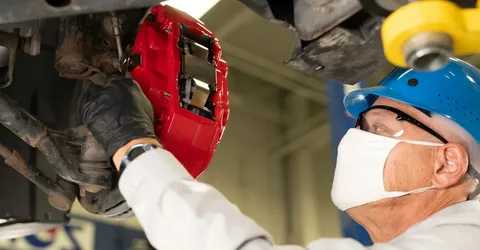
A vehicle's braking system is one of the most important safety systems on the road. Drivers rely on their brakes every day to slow down, stop at traffic signals, maintain a safe distance from other vehicles, and respond to unexpected hazards. Because brakes play such an important role in vehicle control, even a small problem should never be ignored.
Many brake problems develop gradually. A driver may first hear a light squealing sound, notice a slight vibration, or feel that the brake pedal responds differently than usual. These symptoms can indicate normal component wear, but they may also point to a more serious mechanical or hydraulic problem.
Scheduling a Professional Brake Inspection can help identify the source of these warning signs and determine whether repairs are necessary. Early attention may prevent additional damage, support reliable stopping performance, and help reduce the risk of unexpected problems.
For drivers in Baltimore, Maryland, regular brake inspections are particularly valuable. Busy roads, frequent stops, changing weather, and seasonal road conditions can place additional demands on braking components.
This guide explains the most common signs that your vehicle may need professional brake attention, what technicians typically inspect, and why responding early is important.
Why Professional Brake Inspections Matter
A braking system contains several connected components that must work together. These include brake pads, rotors, calipers, brake lines, hydraulic fluid, sensors, and other mechanical or electronic parts.
When one component begins to fail, it can affect the performance of the entire system.
A professional inspection allows a qualified technician to examine these components and identify potential problems. Rather than relying only on visible symptoms, the technician can assess the condition of the braking system and recommend the appropriate next steps.
Protecting Your Stopping Performance
Reliable stopping performance depends on the condition of the brake components and the way they work together.
Worn pads, damaged rotors, leaking brake fluid, or malfunctioning calipers can affect how effectively a vehicle slows down.
A timely inspection helps identify these concerns before braking performance becomes seriously compromised.
Identifying Problems Before They Become More Expensive
Some brake problems begin with relatively minor wear. If they are ignored, they may cause damage to other components.
For example, severely worn brake pads can damage the rotors. A sticking caliper can cause excessive heat and uneven wear. A hydraulic leak can reduce braking effectiveness.
Finding the original problem early may help prevent additional repairs.
Maintaining Confidence on the Road
Drivers should be able to depend on their braking systems during normal driving and unexpected situations.
When brakes make unusual noises or respond differently, it can create uncertainty and reduce confidence.
Professional inspection helps determine whether the system is operating correctly and whether any components need attention.
1. Squealing or High-Pitched Brake Noises
One of the most recognizable signs of a potential brake problem is a squealing sound when the brake pedal is pressed.
Some brake pads include wear indicators designed to produce a high-pitched sound when the friction material becomes thin. This sound is intended to alert drivers that an inspection may be necessary.
However, not every squealing noise has the same cause.
Possible Causes of Brake Squealing
Brake squealing can be associated with:
-
Worn brake pads
-
Dust or debris between braking components
-
Glazed brake pad or rotor surfaces
-
Moisture on the rotors
-
Incorrectly installed or loose brake hardware
-
Brake components that require cleaning or servicing
A brief noise after rain or when a vehicle has been parked for some time may be related to surface moisture. However, persistent or recurring squealing should be checked.
Why You Should Not Ignore It
If the noise is caused by worn pads, continuing to drive without inspection may allow the friction material to become excessively thin.
This can eventually damage the rotors and increase repair costs.
A technician can inspect pad thickness, rotor condition, and related hardware to identify the source of the sound.
2. Grinding Sounds When Applying the Brakes
Grinding is a more serious warning sign than many ordinary brake noises.
A metal-on-metal grinding sound may indicate that the brake pad friction material has worn away, allowing the backing plate to contact the rotor.
What Causes Brake Grinding?
Common causes include:
-
Severely worn brake pads
-
Damaged or heavily scored rotors
-
Foreign objects caught in the braking assembly
-
Broken or damaged brake hardware
-
Incorrectly fitted components
Grinding may also be accompanied by vibration, reduced braking performance, or unusual smells.
What Should You Do?
Do not ignore a grinding sound or assume it will disappear on its own.
Continuing to drive with severely damaged brakes can cause further component damage and create a safety risk. Arrange professional inspection immediately. If braking performance is reduced or the vehicle feels unsafe, do not continue driving; arrange towing or appropriate assistance.
3. A Soft or Spongy Brake Pedal
The brake pedal should provide a consistent and predictable response.
If it suddenly feels soft, spongy, or unusually easy to press, the braking system may have a hydraulic problem.
Possible Reasons for a Soft Pedal
Several issues can cause a soft brake pedal:
Air in the brake lines: Air inside the hydraulic system can interfere with pressure transfer.
Brake fluid leaks: A leak may reduce hydraulic pressure and affect braking performance.
Old or contaminated brake fluid: Fluid condition can change over time and may affect system operation.
Master cylinder problems: A malfunctioning master cylinder may prevent the system from maintaining proper hydraulic pressure.
Why Immediate Attention Is Important
A soft pedal can indicate a serious braking problem. Drivers should not attempt to compensate by pressing harder or repeatedly pumping the pedal while continuing normal driving.
If the pedal feels abnormal, stopping performance is reduced, or it sinks toward the floor, stop driving when it is safe to do so and arrange professional assistance.
4. The Vehicle Pulls to One Side During Braking
A vehicle that pulls left or right when the brakes are applied may have an uneven braking problem.
This behavior can make it more difficult to maintain control, particularly during sudden stops.
What May Cause Uneven Braking?
Possible causes include:
-
A sticking brake caliper
-
Uneven brake pad wear
-
Contaminated brake components
-
Damaged brake hoses
-
Differences in braking force between wheels
-
Related tire or suspension problems
The cause is not always limited to the braking system. Tire pressure, alignment, and suspension condition can also affect how a vehicle behaves.
Why Professional Diagnosis Helps
A technician can examine the braking components and related systems to identify the source of the pulling.
Replacing one component without understanding the cause may not resolve the problem.
If the vehicle pulls noticeably during braking, arrange an inspection promptly. Avoid driving if the vehicle is difficult to control.
5. Steering Wheel or Brake Pedal Vibration
Vibration during braking is another sign that the braking system may need attention.
Drivers may feel shaking through the steering wheel, brake pedal, or vehicle body when slowing down.
Common Causes of Brake Vibration
Brake vibration may be associated with:
-
Uneven rotor surfaces
-
Rotor thickness variation
-
Improperly installed braking components
-
Worn suspension parts
-
Wheel or tire problems
The exact cause depends on when the vibration occurs and which part of the vehicle is affected.
How Technicians Identify the Problem
A professional inspection may include checking rotor condition and thickness, examining brake pad wear, and evaluating related wheel and suspension components.
The technician can then determine whether the vehicle needs rotor replacement, resurfacing where appropriate, brake component service, or another repair.
Drivers should not assume that every vibration means the rotors are warped. Proper diagnosis is important.
6. A Burning Smell After Braking
A strong burning smell after driving or braking may indicate excessive heat around the braking components.
This can happen when a brake caliper sticks, brake pads remain in contact with the rotor, or the braking system is exposed to repeated heavy braking.
Why Excessive Brake Heat Is a Concern
Excessive heat can affect brake pad material, rotor surfaces, and other components.
It may also contribute to reduced braking effectiveness under demanding conditions.
A burning smell near one wheel, particularly when accompanied by smoke or unusual heat, should be treated seriously.
What Drivers Should Do
If you notice smoke, a strong burning smell, or signs of overheating, pull over somewhere safe and stop driving. Do not touch the wheels or brake components because they may be extremely hot.
Arrange professional assistance. Do not pour water onto hot brake components.
7. Brake Warning Lights on the Dashboard
Modern vehicles use dashboard warning lights to alert drivers when certain systems need attention.
A brake warning light may indicate a problem involving the parking brake, brake fluid level, hydraulic system, or another braking-related component.
An ABS warning light may indicate a fault in the anti-lock braking system.
Understanding Different Brake Warning Lights
Brake system warning light: Depending on the vehicle, this may indicate that the parking brake is engaged or that the braking system needs attention.
ABS warning light: This can indicate a fault that affects anti-lock braking functionality.
Electronic parking brake warning: This may indicate a problem with the electronic parking brake or its controls.
The meaning of each warning varies by vehicle. Drivers should consult the owner's manual instead of assuming that all brake-related lights indicate the same issue.
Why Warning Lights Need Attention
A warning light may appear before the driver notices a change in braking performance.
A professional technician can use appropriate diagnostic equipment to identify electronic faults and determine whether mechanical inspection or repair is also needed.
If a red brake warning remains illuminated after confirming the parking brake is released, or the vehicle has reduced braking performance, stop driving when safe and seek assistance.
8. Brake Fluid Leaks or Unusual Fluid Levels
Brake fluid is necessary for transferring hydraulic pressure through many vehicle braking systems.
If the system develops a leak, the amount of available fluid may decrease and braking performance can be affected.
Where Brake Fluid Problems May Occur
Potential leak areas include:
-
Brake lines
-
Flexible brake hoses
-
Calipers
-
Wheel cylinders on vehicles equipped with them
-
Master cylinder components
Brake fluid leaks should not be treated as ordinary vehicle fluid leaks.
Why Adding Fluid Is Not a Complete Solution
A low brake fluid level may be caused by normal component wear or a leak, depending on the vehicle and system condition.
Simply adding more fluid does not identify or repair the underlying issue.
A technician should inspect the system, identify the cause, and determine the appropriate repair.
9. Uneven Brake Pad Wear
Brake pads do not always wear evenly.
If one pad becomes significantly thinner than another, the braking system may have an underlying mechanical issue.
What Causes Uneven Wear?
Possible causes include:
-
A sticking caliper
-
Restricted caliper slide movement
-
Damaged brake hardware
-
Hydraulic problems
-
Installation issues
Uneven wear can reduce braking consistency and may indicate that other components are also affected.
Why a Full Inspection Is Important
Replacing only the visibly worn pad may not address the problem.
A professional inspection should examine the caliper, slide pins, hardware, rotor surface, and other related components.
This helps identify the cause and reduce the chance of the same problem returning.
10. The Parking Brake Does Not Work Properly
The parking brake helps keep a parked vehicle stationary.
Depending on the vehicle, it may operate through a mechanical cable system or an electronic mechanism.
A parking brake that does not engage, release, or hold the vehicle correctly needs attention.
Common Parking Brake Problems
Possible warning signs include:
-
The vehicle moves after the parking brake is applied
-
The parking brake lever feels unusually loose
-
An electronic parking brake warning appears
-
The parking brake does not release completely
-
Unusual noises occur when engaging or releasing the system
A parking brake that remains partially engaged can create friction and heat while driving.
Have the system inspected if it does not operate as intended. Always park on a suitable surface and follow the manufacturer's parking recommendations.
11. Increased Stopping Distance
If your vehicle takes longer than usual to stop, the braking system may not be operating properly.
However, stopping distance is affected by several factors, including vehicle speed, tire condition, road surface, weather, vehicle load, and brake condition.
Possible Brake-Related Causes
Potential braking issues include:
-
Worn brake pads
-
Damaged rotors
-
Brake fluid problems
-
Malfunctioning calipers
-
Faults in electronic braking systems
A vehicle's tires and road conditions also play a major role in stopping performance.
Why This Symptom Is Serious
Drivers should not wait until the vehicle struggles to stop before arranging an inspection.
If you notice a meaningful change in braking response, have the system checked promptly. If the vehicle cannot stop reliably, do not continue driving.
12. Unusual Brake Dust or Visible Component Damage
Some brake dust is normal because friction materials wear during operation.
However, a sudden change in dust, visible damage, or uneven buildup may justify an inspection.
What Drivers Can Observe
During a basic visual check, drivers may notice:
-
Unusual amounts of dark dust around one wheel
-
Visible grooves or damage on a rotor
-
Missing or damaged hardware
-
Signs of fluid near a wheel
-
Uneven appearance between wheels
These observations do not confirm a specific fault, but they can help identify when professional attention is needed.
Drivers should never place their hands near hot components or attempt to inspect moving parts.
Why Baltimore Driving Conditions Can Affect Brake Wear
Drivers in Baltimore, Maryland, experience a variety of road and weather conditions that can influence vehicle maintenance needs.
Frequent stops, traffic congestion, rain, seasonal temperature changes, and winter road treatments may affect braking components over time.
Stop-and-Go Traffic
Repeated braking in congested traffic increases the number of times brake pads and rotors are used.
Drivers who commute through busy areas may experience more frequent brake wear than those who primarily travel on open roads.
Maintaining a safe following distance and anticipating traffic changes can reduce unnecessary braking.
Rain and Wet Roads
Wet road surfaces can reduce tire traction and affect stopping distance.
Moisture may also contribute to surface rust on brake rotors, particularly after a vehicle has been parked.
Drivers should allow extra stopping distance during wet conditions and avoid sudden braking whenever possible.
Winter Weather and Road Salt
Winter driving may expose vehicles to snow, ice, moisture, and road salt.
Road salt can contribute to corrosion on metal components and hardware.
A seasonal inspection can help identify corrosion, uneven wear, and other issues that may require attention.
Regular Maintenance for Local Drivers
Brake inspections should be part of a broader vehicle maintenance plan.
Drivers can include brake checks during Routine Vehicle Maintenance appointments and arrange additional inspections whenever warning signs appear.
What Happens During a Professional Brake Inspection?
A professional brake inspection involves examining important braking components and evaluating whether the system is operating correctly.
The exact process depends on the vehicle, its symptoms, and the technician's findings.
Brake Pad Inspection
The technician checks the brake pad material to determine whether sufficient friction material remains.
They may also look for uneven wear, contamination, cracks, or other damage.
Rotor Examination
Rotors are examined for scoring, corrosion, surface irregularities, and excessive wear.
Measurements may be taken to compare rotor thickness with the manufacturer's minimum specifications.
Caliper and Hardware Checks
Calipers, slide pins, and related hardware are checked for proper movement and condition.
A sticking caliper or damaged component may contribute to uneven braking or excessive heat.
Brake Fluid and Hydraulic System Checks
The technician may inspect fluid condition, fluid level, hoses, lines, and visible connections.
Any signs of leakage or hydraulic malfunction require further diagnosis.
ABS and Electronic System Diagnosis
If warning lights are present, appropriate diagnostic equipment may be used to identify stored fault codes and evaluate related systems.
A diagnostic code helps guide the inspection but does not automatically identify every repair that is needed.
Why You Should Avoid Delaying Brake Repairs
Delaying brake service can create additional problems.
A worn pad may damage a rotor. A sticking caliper may cause overheating. A hydraulic leak may affect braking pressure. An electronic fault may reduce the availability of certain safety features.
These issues can increase repair complexity and create unsafe driving conditions.
Small Problems Can Become Larger Repairs
A brake inspection may identify a component that needs service before it damages other parts.
For example, replacing worn pads at the appropriate time may help prevent rotor damage. Addressing a sticking caliper may prevent repeated overheating and uneven wear.
Early diagnosis does not guarantee that every repair will be inexpensive, but it can help prevent avoidable damage.
Brake Safety Should Come Before Convenience
Some drivers postpone repairs because they depend on their vehicles for work, commuting, or family responsibilities.
However, driving with compromised brakes can put the driver, passengers, and other road users at risk.
If the brakes feel unsafe or the vehicle cannot stop reliably, arrange towing or roadside assistance rather than continuing to drive.
Choosing a Reliable Brake Repair Shop in Baltimore
When brake problems appear, choosing an experienced automotive repair provider is an important decision.
Drivers should look for a shop that can explain inspection findings, identify the cause of the problem, and recommend repairs based on the vehicle's needs.
Clear Inspection Findings
A reliable repair shop should explain which components were inspected and what problems were found.
Drivers should receive clear information about the condition of their brake pads, rotors, calipers, fluid, and other relevant components.
Appropriate Repair Recommendations
Not every vehicle needs the same repair.
A professional technician should consider the vehicle's make, model, mileage, condition, and manufacturer specifications before recommending service.
Communication and Estimates
Before approving repairs, ask for an explanation of the work, the expected cost, and any applicable warranty information.
Clear communication helps vehicle owners make informed decisions.
For drivers seeking automotive assistance in Baltimore, Vince's Auto Repair is a local option to consider when discussing brake concerns and maintenance needs.
You can review available Brake System Services or Contact Vince's Auto Repair to ask about your vehicle's symptoms and service options.
Practical Tips to Help Maintain Your Braking System
Professional inspections are important, but everyday driving habits also influence brake condition.
Vehicle owners can follow several practical steps to support braking performance.
-
Maintain a safe following distance to reduce unnecessary sudden braking.
-
Avoid repeated hard braking whenever traffic conditions allow.
-
Check tires regularly because tire condition affects stopping performance.
-
Follow the manufacturer's brake fluid service recommendations.
-
Pay attention to unusual noises, smells, and vibrations.
-
Do not ignore brake warning lights.
-
Schedule inspections when braking behavior changes.
-
Include brake checks in regular vehicle maintenance.
-
Address visible fluid leaks promptly.
-
Avoid driving when the braking system appears unsafe.
These habits do not replace professional service, but they can help drivers recognize problems earlier and maintain a safer vehicle.
Conclusion
Recognizing brake warning signs early is an important part of responsible vehicle ownership. Squealing, grinding, a soft brake pedal, vibration, pulling, fluid leaks, warning lights, and increased stopping distance can all indicate that a vehicle needs professional attention.
A Professional Brake Inspection helps identify the cause of these symptoms and determine whether the vehicle needs maintenance or repairs. It can also help prevent additional component damage and support reliable braking performance.
For drivers in Baltimore, Maryland, changing weather and frequent stop-and-go traffic make regular attention to brake condition especially important.
Do not wait for a minor warning sign to become a serious safety concern. If your vehicle's brakes make unusual noises, feel different, or fail to respond normally, arrange an inspection promptly. When braking performance is compromised, stop driving when safe and arrange appropriate assistance.
Taking brake concerns seriously helps protect your vehicle, your passengers, and everyone sharing the road.
Frequently Asked Questions
1. What are the most common signs that my vehicle needs a brake inspection?
Common warning signs include squealing or grinding noises, vibration when braking, a soft pedal, pulling to one side, brake fluid leaks, dashboard warning lights, and increased stopping distance. These symptoms should be checked by a qualified technician.
2. How often should I schedule a professional brake inspection?
Inspection intervals depend on the vehicle manufacturer's recommendations, mileage, driving habits, and road conditions. Many drivers have their brakes checked during routine maintenance visits. However, any unusual noise or change in braking performance should be evaluated sooner.
3. Can I drive my car if the brakes are making noise?
A brief noise can sometimes be related to moisture or dust, but persistent squealing or grinding may indicate a brake problem. Grinding, reduced braking performance, a soft pedal, or other serious symptoms require immediate attention. Do not drive if the vehicle feels unsafe.
4. What does it mean when my brake pedal feels soft?
A soft or spongy pedal may indicate air in the hydraulic system, a brake fluid leak, contaminated fluid, or a master cylinder problem. Because these issues can affect stopping performance, arrange professional assistance promptly.
5. Why should I have my brakes inspected by a professional?
A professional technician can inspect the complete braking system, measure component wear, check hydraulic parts, and diagnose electronic warning lights when necessary. This helps identify the actual cause of a problem and supports appropriate repairs.
Publishing note: Place internal links naturally within the article using the exact anchor text provided. Review all service details and business claims before publishing.

 English
 Arabic
 French
 Spanish
 Portuguese
 Deutsch
 Turkish
 Dutch
 Italiano
 Russian
 Portuguese (Brazil)
 Greek
