


Choosing the Right Fence for Privacy, Security, and Curb Appeal
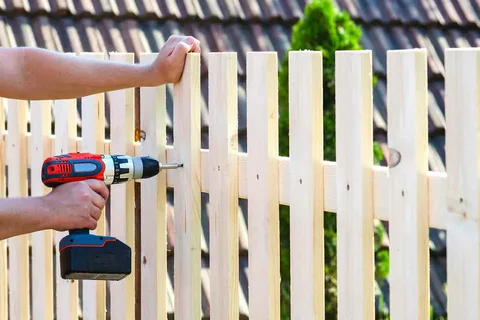
Introduction
A fence is an important part of many residential properties. It can provide privacy, help define property boundaries, improve security, and make an outdoor space look more organized. Whether a homeowner wants to create a private backyard, protect a garden, or improve the appearance of a front yard, choosing the right fence can make a noticeable difference.
However, not every fence is suitable for every property. Different materials, styles, heights, and construction methods offer different benefits. A wood fence may provide a traditional appearance, while vinyl fencing can offer a clean look with relatively simple maintenance. Metal fencing may be a practical choice when visibility and boundary definition are important.
Successful fence installation begins with understanding the property's layout and the homeowner's goals. Local requirements, soil conditions, maintenance expectations, and the surrounding landscape should all be considered before construction starts.
This guide explains the main fencing options, their benefits, important planning considerations, and how homeowners can select a fence that supports privacy, security, and curb appeal.
1. Why a Quality Fence Matters for Residential Properties
A properly selected and installed fence can improve several aspects of a home. It is not simply a boundary around the property. It can also support outdoor comfort, organization, and everyday use.
Improving Privacy
Privacy is one of the most common reasons homeowners install fences. A suitable fence can help reduce direct views into a backyard, patio, or outdoor seating area.
This can make it easier to enjoy family activities, relax outside, and spend time with guests.
The level of privacy depends on the fence's height, material, design, and placement. Solid panels generally provide more visual coverage than open metal or decorative fencing.
Defining Property Boundaries
A fence can make the separation between neighboring properties more visible. Clearly defined boundaries can help organize outdoor areas and reduce confusion about where different sections of a property begin and end.
Before installation, homeowners should confirm property boundaries rather than relying only on existing fences or visible landscape features.
Supporting Security
A suitable fence can create an additional boundary around a property. Depending on its design and height, it may help discourage unwanted access and make outdoor areas easier to manage.
Fencing should be considered one part of a broader property security approach. Gates, locks, lighting, and other appropriate measures may also be useful.
Enhancing Curb Appeal
The appearance of a fence can influence how a property looks from the street. A well-maintained fence can complement the home's architecture, landscaping, driveway, and outdoor features.
Choosing a style that fits the property can create a more complete and attractive appearance.
2. Understanding Different Types of Residential Fencing
Homeowners have several fencing options available. Each type has its own appearance, advantages, limitations, and maintenance requirements.
The right choice depends on the intended purpose and the conditions of the property.
Wood Fencing
Wood fencing is a popular option for homeowners who prefer a natural and traditional appearance.
It can be built in different styles, including:
-
Privacy panel fencing
-
Horizontal board fencing
-
Vertical picket fencing
-
Shadowbox fencing
-
Decorative garden fencing
Wood can be painted or stained in different colors, allowing homeowners to coordinate the fence with the house and landscape.
However, wood may require periodic staining, sealing, painting, or replacement of damaged boards. Exposure to moisture, sunlight, insects, and changing weather conditions can affect its condition over time.
Vinyl Fencing
Vinyl fencing is available in several styles and colors. It can provide a clean appearance and generally requires less routine maintenance than traditional wood fencing.
Homeowners may choose vinyl privacy panels, picket styles, or other decorative designs.
Vinyl does not require regular painting or staining, but it should still be cleaned and inspected periodically. The quality of the material and installation can influence its long-term performance.
Metal Fencing
Metal fencing may be suitable for homeowners who want a defined boundary without completely blocking visibility.
Common options include ornamental metal and other manufactured metal fencing systems.
Metal fencing can complement front yards, gardens, driveways, and landscaped areas. It may also be useful where homeowners want to maintain an open appearance.
The specific material and protective finish should be considered because exposure to moisture and environmental conditions can contribute to corrosion in some metal products.
Chain-Link Fencing
Chain-link fencing is often selected for its practical design and visibility.
It may be used around backyards, utility areas, gardens, and other sections where a clearly defined boundary is needed without a solid privacy barrier.
Privacy screens or other compatible additions may be considered when more visual coverage is required, depending on the fence system and local requirements.
Decorative and Custom Fencing
Some properties benefit from fencing designed around specific architectural or landscape features.
Custom fencing can include unique panel arrangements, decorative sections, mixed materials, or coordinated gates.
The design should balance appearance with practical requirements such as privacy, durability, access, and maintenance.
3. How to Choose the Right Fence for Privacy
The amount of privacy a homeowner needs should influence the fencing design.
A backyard used for family gatherings may require more visual coverage than a front garden where an open appearance is preferred.
Consider the Main Outdoor Activity
Think about how the space will be used.
For example:
-
A backyard seating area may benefit from a privacy fence.
-
A garden may need a boundary that protects plants.
-
A pool area may require fencing that meets applicable safety regulations.
-
A front yard may look better with a more open decorative design.
Matching the fence to the purpose of the space helps prevent unnecessary construction costs.
Choose an Appropriate Height
Fence height affects privacy and the overall appearance of a property.
A taller fence may provide greater visual coverage, but height restrictions can apply depending on the property's location and the fence's position.
Homeowners should check local regulations before selecting a final height.
Think About Gaps and Panel Design
A fence may look solid from a distance but still contain gaps that reduce privacy.
For homeowners who want a more enclosed outdoor space, closely fitted panels or solid designs may be more suitable.
Decorative fencing with spaces between boards can provide a more open appearance while still defining the property boundary.
Consider Nearby Properties
The position of neighboring homes, windows, patios, and outdoor seating areas may influence where privacy fencing is most useful.
A property assessment can help identify sections that need more coverage and areas where an open fence would work better.
4. Choosing a Fence That Supports Property Security
Security is another important consideration when planning residential fencing. A fence can help establish a visible boundary and make access points easier to control.
However, the best design depends on the property and the homeowner's priorities.
Create Clear Access Points
Gates should be positioned where people need to enter and leave the property.
A well-planned gate can make everyday access more convenient while allowing homeowners to control entry.
The gate should be compatible with the fence material and designed for regular use.
Consider Fence Strength
The selected material, support posts, fasteners, and installation method all influence how a fence performs.
A fence should be appropriate for its intended use and expected environmental conditions.
Review Visibility Requirements
Some homeowners prefer a solid privacy fence, while others want to maintain visibility around the front yard or driveway.
Open metal fencing may allow homeowners to see the surrounding area more easily, while solid panels offer greater visual separation.
The right balance depends on the layout and purpose of the property.
Include Lighting and Other Features
Fencing can work alongside outdoor lighting, secure gates, and other property improvements.
For example, suitable lighting near an entrance may make the area easier to navigate at night.
These features should be planned together so that the finished outdoor space remains practical and visually consistent.
5. How Fencing Improves Curb Appeal
A fence can influence the overall appearance of a home because it often occupies a visible part of the property.
The right design can make the outdoor environment look more organized and complement other improvements.
Match the Fence With the Home's Style
A traditional home may look attractive with classic wood or picket fencing. A contemporary property may suit horizontal panels or clean metal designs.
The goal is to select a fence that complements the house rather than competes with its appearance.
Coordinate Colors and Finishes
Fence colors should work with the home's exterior, landscaping, and other outdoor structures.
Natural wood finishes can create a warm appearance, while neutral vinyl and metal finishes may provide a more modern look.
Improve the Appearance of Garden Areas
Fencing can create a defined border around planting areas, lawns, and outdoor seating spaces.
When combined with suitable plants and pathways, it can make the yard look more organized.
Connect Fencing With Other Landscape Features
A fence should be considered as part of the complete outdoor design.
It may be coordinated with retaining walls, patios, walkways, garden beds, and other structures.
Homeowners planning broader outdoor improvements can explore professional landscaping services to understand how fencing and landscape design can complement each other.
6. Important Factors Before Fence Installation
Planning a fence requires more than choosing a material from a catalog. Several site-related factors can influence the final design and installation process.
Property Boundaries
Before construction, homeowners should establish where the property line is located.
Installing a fence in the wrong position can create disagreements with neighboring property owners or lead to costly changes.
A property survey may be helpful when boundaries are unclear.
Local Building Regulations
Local rules may specify permitted fence heights, materials, locations, and other construction requirements.
Restrictions may differ for front yards, side yards, backyards, corner lots, and properties in communities with homeowners' association requirements.
Homeowners should review applicable regulations before starting the project.
Soil and Ground Conditions
Fence posts need appropriate support. Soil type, ground moisture, slope, and other site conditions can influence how posts should be installed.
Uneven or unstable ground may require additional preparation.
Existing Landscaping
Trees, shrubs, irrigation lines, pathways, and other landscape features should be considered before digging post holes.
A site assessment can help identify potential obstacles and reduce the risk of damaging existing outdoor features.
Drainage and Water Flow
Fence placement should not interfere with the natural movement of water across the property.
Poor planning may contribute to water pooling or soil erosion in certain areas.
The contractor should consider grading and drainage before finalizing the layout.
Gates and Access
The number, location, and size of gates should be determined before installation.
Think about pedestrian access, driveway entry, garden access, and any larger equipment that may need to pass through.
7. The Main Steps in Professional Fence Installation
A properly planned installation process helps ensure that the fence is aligned, stable, and suitable for the property's layout.
Although the exact process varies by material and site conditions, most projects involve several common stages.
Step 1: Initial Property Assessment
The first step is to inspect the proposed fence area.
The contractor may review the ground, slope, existing structures, access points, property boundaries, and intended fence purpose.
This information helps establish the project requirements.
Step 2: Design and Material Selection
The next step is selecting the fence style, material, height, and layout.
Homeowners should consider privacy, security, appearance, maintenance, and budget.
The design should also account for local regulations.
Step 3: Measuring and Marking
The installation area is measured and marked to establish the fence line and post locations.
Accurate measurements help maintain consistent spacing and alignment.
Property boundaries should be confirmed before work begins.
Step 4: Preparing the Site
The area may need to be cleared of vegetation, debris, or other obstacles.
Existing landscaping and underground utilities should be considered before excavation.
Step 5: Installing Fence Posts
Fence posts provide the support for the panels or rails.
Their placement, depth, spacing, and foundation requirements depend on the fence design, material, and ground conditions.
Step 6: Attaching Panels or Rails
After the support posts are prepared, the fence sections are installed.
The contractor should check alignment and spacing throughout the process to maintain a consistent appearance.
Step 7: Installing Gates and Hardware
Gates, hinges, latches, and other hardware are fitted according to the design.
The finished gate should open and close smoothly and provide convenient access.
Step 8: Final Inspection and Cleanup
The completed fence should be checked for alignment, stability, secure connections, and overall appearance.
The work area should also be cleaned and any remaining project concerns addressed.
8. Fence Maintenance for Long-Term Performance
Different fence materials require different levels of maintenance. Regular care can help homeowners identify problems and keep the fence looking presentable.
Wood Fence Maintenance
Wood fencing should be inspected for damaged boards, loose fasteners, discoloration, and signs of moisture-related deterioration.
Depending on the product and environmental exposure, periodic staining, sealing, or painting may be needed.
Vinyl Fence Maintenance
Vinyl fencing generally requires simple cleaning to remove dirt and surface buildup.
Homeowners should also check for loose connections, damaged panels, and problems around gates.
Metal Fence Maintenance
Metal fencing should be inspected for damaged finishes, corrosion, loose fasteners, and movement around posts.
Any protective coating should be maintained according to the manufacturer's recommendations.
Chain-Link Fence Maintenance
Chain-link fencing should be checked for loose sections, bent components, damaged connections, and problems with support posts.
Gate hardware should also be inspected to ensure proper operation.
Keep Vegetation Under Control
Plants growing directly against a fence may trap moisture or make inspections more difficult.
Trim vegetation where necessary and avoid allowing heavy growth to put pressure on panels or posts.
9. Common Fence Installation Mistakes to Avoid
Poor planning can affect the appearance, stability, and usefulness of a fence. Homeowners can reduce potential problems by understanding common mistakes.
Ignoring Property Lines
Installing a fence without confirming the boundary can lead to disputes and possible relocation costs.
Always establish the correct property line before construction.
Choosing Material Based Only on Price
The lowest-priced material may not be the best long-term option for the property.
Consider durability, maintenance, appearance, and intended use before making a decision.
Overlooking Local Regulations
A fence that does not meet local requirements may need to be changed or removed.
Check applicable rules before selecting the design and height.
Poor Post Placement
Incorrect spacing or inadequate post support can affect fence alignment and stability.
Post installation should follow the requirements of the selected fencing system and site conditions.
Forgetting About Gate Placement
A fence may look attractive but become inconvenient if gates are not located where people need access.
Plan entrances and openings before installation begins.
Neglecting the Surrounding Landscape
A fence should fit into the property's overall outdoor design.
Consider nearby plants, pathways, retaining walls, patios, and other features to create a consistent appearance.
10. Combining Fencing With Other Outdoor Property Improvements
A fence can be more effective when planned alongside other landscape and construction improvements.
This approach helps homeowners create a connected outdoor environment rather than installing separate features without considering how they work together.
Fencing and Retaining Walls
A sloped property may require both a retaining wall and a fence.
The retaining wall supports soil, while the fence provides a boundary or privacy feature.
These structures must be designed together. Fence loads should not be added to a retaining wall unless the wall has been designed to support them.
Fencing and Landscaping
Plants, garden beds, and lawn areas can soften the appearance of a fence.
A combination of suitable shrubs and decorative plants can help create a more welcoming outdoor space.
Fencing and Patios
A privacy fence can help define an outdoor patio and create a more enclosed seating area.
The fence should be positioned to provide the desired coverage without making the space feel unnecessarily restricted.
Fencing and Driveways
Front-yard fencing may be coordinated with driveway entrances and gates.
The layout should provide suitable vehicle access and visibility while maintaining the desired property appearance.
11. Residential Fencing Considerations in California
California residential properties have different layouts, climates, and local requirements. A fencing design that works well for one property may not be suitable for another.
Homeowners should consider the specific conditions of their location before choosing a fencing system.
Consider Sunlight and Weather Exposure
Some fence materials may experience fading, expansion, surface deterioration, or other changes depending on environmental exposure.
Material selection should account for the property's conditions and the manufacturer's recommendations.
Choose Landscaping That Works With the Fence
Plants growing beside a fence should be suitable for the available sunlight, water, and space.
Avoid planting large trees too close to fence posts where future root growth may create problems.
Review Local Requirements
Fence height, location, and construction rules can vary by municipality and property type.
Homeowners should check local building requirements and any applicable community restrictions before installation.
Plan for Different Property Layouts
Some homes have narrow side yards, larger backyards, sloped sections, or corner lots.
The fence layout should be adjusted to the property's shape and intended use.
For homeowners researching outdoor improvements in the South Bay area, relevant local resources include landscaping services in San Jose, CA, outdoor landscaping services in Saratoga, CA, and landscaping services in Gilroy, CA.
12. How to Choose the Right Fence Contractor
A successful fencing project depends on choosing a contractor who understands the property's needs and can explain the installation process.
Before making a decision, homeowners should review several important points.
Ask About Previous Experience
Ask whether the contractor has completed similar residential fencing projects.
Experience with the selected material and property layout can help make the planning process more straightforward.
Discuss Materials and Installation Methods
The contractor should explain the available materials and how each option suits the project.
Ask about post support, panel connections, gates, and maintenance expectations.
Request a Clear Written Estimate
A written estimate should identify the materials, approximate dimensions, installation work, site preparation, gates, and any additional project requirements.
This makes it easier to compare proposals.
Confirm Permits and Property Requirements
Discuss who will check local requirements and whether any approvals or property surveys are needed.
Clarifying these responsibilities before construction can help avoid misunderstandings.
Review the Complete Project Plan
Before approving the work, make sure the design, materials, layout, access points, and expected scope are clear.
A well-planned project is more likely to meet the homeowner's practical and visual expectations.
13. Frequently Asked Questions About Residential Fencing
1. What Type of Fence Is Best for Backyard Privacy?
Solid wood and vinyl privacy fences are common options for homeowners who want to reduce visibility into their backyard. The best choice depends on budget, maintenance preferences, appearance, local regulations, and property conditions.
2. Which Fence Material Requires the Least Maintenance?
Vinyl fencing generally requires less routine maintenance than wood because it does not normally need regular painting or staining. However, all fence materials should be inspected and cleaned as needed.
3. How Tall Should a Residential Fence Be?
The appropriate height depends on the purpose of the fence, property layout, and local regulations. Homeowners should check applicable height restrictions before selecting a design.
4. Does Fence Installation Require a Permit?
Permit requirements vary by location, fence height, placement, and other local rules. Some properties may also have homeowners' association restrictions. Check the applicable requirements before construction.
5. How Can I Make My Fence Match My Landscape?
Choose a material, color, and style that complement the home's exterior and surrounding outdoor features. Plants, garden beds, pathways, and patios can also help connect the fence with the landscape.
6. How Often Should a Residential Fence Be Inspected?
A fence should be checked periodically, especially after severe weather or when visible damage appears. Look for loose posts, damaged panels, corrosion, rot, and gate problems.
7. Can I Install a Fence on a Sloped Yard?
Yes. Fencing can be installed on sloped properties using suitable layout and installation methods. The best approach depends on the slope, material, and desired appearance.
8. Should I Replace or Repair My Existing Fence?
The decision depends on the condition of the fence. A few damaged boards or loose components may be repairable, while widespread deterioration, unstable posts, or repeated structural problems may make replacement more practical.
Conclusion
Choosing the right fence can improve privacy, define property boundaries, support security, and enhance the appearance of a residential property. With different materials and styles available, homeowners can select a design that matches their outdoor needs and architectural preferences.
However, a successful fence project requires more than choosing an attractive material. Property boundaries, soil conditions, local regulations, post support, gate placement, and maintenance requirements should all be considered before construction.
By planning carefully and working with a qualified contractor, homeowners can create a fence that complements their property and supports everyday outdoor living. When fencing is coordinated with landscaping, patios, retaining walls, and other improvements, it can become an important part of a well-organized outdoor space.

 English
 Arabic
 French
 Spanish
 Portuguese
 Deutsch
 Dutch
 Italiano
 Russian
 Romaian
 Portuguese (Brazil)
 Greek
