


How to Choose Cloth Napkins for a Home Photography Session
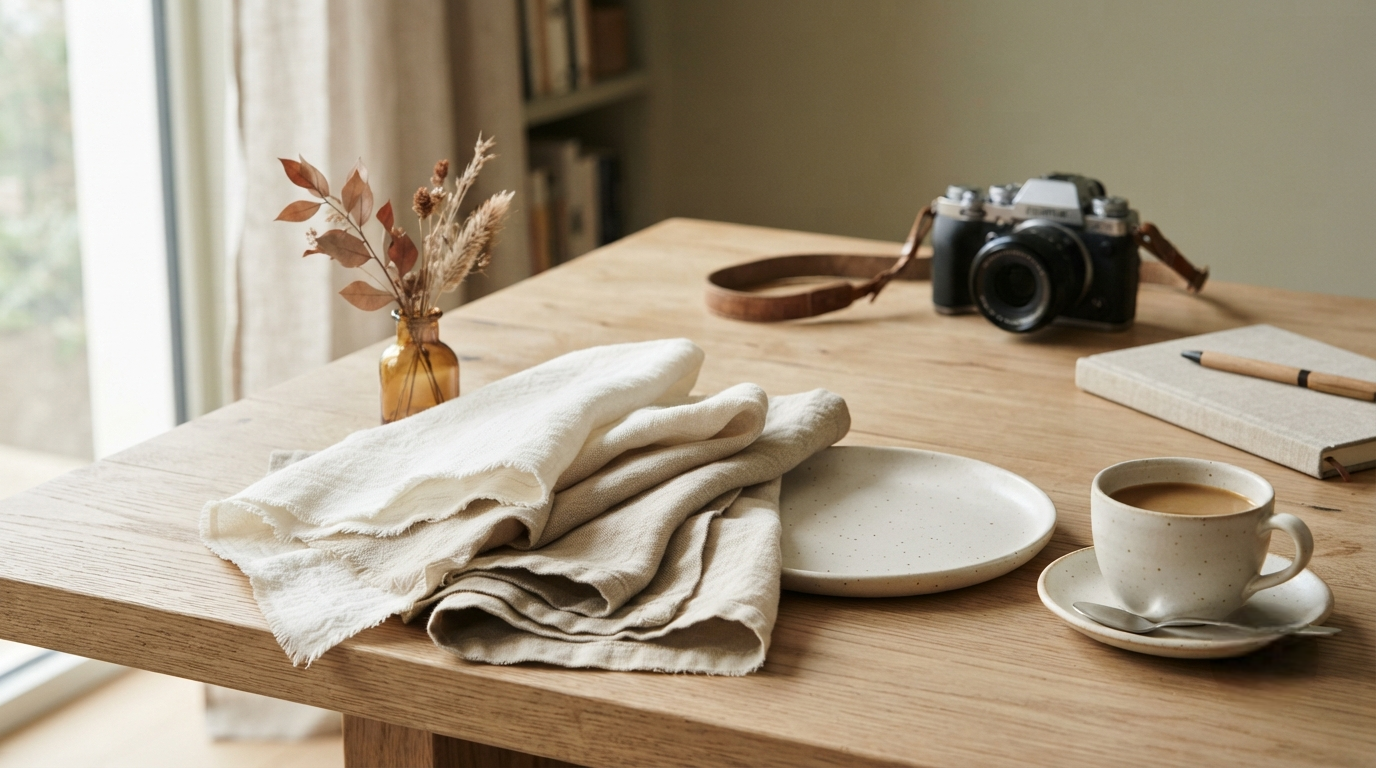
A home photography session often depends on small details that bring a scene together. Whether you are photographing a weekend breakfast, a carefully arranged dining table, handmade products, or everyday lifestyle moments, fabric accessories can add warmth and texture to the composition. Cloth napkins are especially useful because they introduce natural folds, soft colors, and visual depth without overwhelming the main subject.
Choosing the right napkins can help create photographs that feel balanced, welcoming, and thoughtfully styled. From selecting suitable fabrics to arranging them around your subject, a few simple decisions can make a noticeable difference.
Choose Fabrics That Add Natural Texture
Fabric texture can influence how a photograph feels. Smooth materials create a neat, understated appearance, while slightly textured fabrics add dimension and character.
Cotton napkins are a versatile choice for casual lifestyle photography. Their soft finish works well in breakfast scenes, kitchen settings, and relaxed dining arrangements. Browse different cotton napkins to find styles that complement the overall mood of your photographs.
Linen has a more relaxed texture that photographs beautifully in natural light. Its subtle creases and organic appearance can give a table setting an effortless feel. Linen napkins are particularly suitable for neutral interiors, rustic styling, and editorial-inspired compositions.
Select Colors That Work with Your Background
Color coordination is important when preparing a scene for photography. A napkin should complement the background and main subject rather than compete with them.
Neutral shades such as ivory, beige, white, and soft gray are reliable choices. They work with many interior styles and allow food, ceramics, flowers, or other featured objects to remain the focus.
For a more expressive composition, consider muted accent colors. Soft blue can create a fresh atmosphere, while sage green and warm brown add an earthy quality. Seasonal arrangements can also benefit from fall cloth napkins in deeper, warmer tones.
Before taking photographs, place the napkin in the scene and check how its color looks against nearby surfaces. A shade that appears subtle in person may become more prominent under bright lighting.
Use Napkin Folds to Create Visual Interest
The way a napkin is arranged can change the overall composition. A perfectly folded napkin gives a clean, structured appearance, while a loose arrangement creates a more natural lifestyle aesthetic.
Try these simple styling approaches:
-
Soft drape: Let one corner fall naturally over the edge of a plate.
-
Simple rectangle: Fold the napkin into a clean shape for a balanced composition.
-
Loose gathering: Gently gather the fabric beside a bowl or serving dish.
-
Layered arrangement: Place a napkin partially beneath a plate to introduce another layer of texture.
Avoid making every napkin look identical if the photograph is intended to feel casual. Small differences in placement can make a scene appear more authentic.
Match Napkin Size to the Photography Scene
The size of the napkin should suit the objects around it. A large napkin can create a noticeable fabric element in a wide dining-table photograph, while a smaller one works well in close-up compositions.
For a full table scene, choose napkins that provide enough fabric to show their folds and texture without covering too much of the table surface. For close-up food photography, a smaller visible section may be enough to add contrast around a plate.
Dinner napkins can help create a polished dining arrangement, particularly when the photograph includes plates, glassware, and serving pieces.
Style Napkins Around the Main Subject
A successful photograph needs a clear focal point. If the image features a meal, the food should remain prominent. If it showcases a handmade ceramic piece, the fabric should support the product rather than distract from it.
Position napkins beside the main subject, beneath a plate, or slightly outside the central area of the frame. Keep enough negative space so the composition does not feel crowded.
For product photography, personalized details can help establish a distinctive visual identity. Custom napkins may be useful when creating branded lifestyle scenes or photographing a coordinated table collection.
Consider Lighting Before Finalizing the Fabric
Natural light can reveal fabric texture and subtle color differences. Position your setup near a window and observe how the light falls across the napkin.
Soft, indirect daylight generally helps maintain fabric detail. Direct sunlight may create strong shadows or make lighter fabrics appear overly bright. If the scene looks flat, slightly adjust the napkin's position to create gentle folds and natural shadows.
For evening photography, use warm, diffused lighting to create a comfortable atmosphere. Check the white balance so ivory and white fabrics do not appear unusually yellow or blue.
Prepare a Separate Setup for Drinks and Small Details
Some photography sessions include coffee cups, mocktails, desserts, or small serving arrangements. A few smaller fabric accessories can help connect these details with the main table setting.
Cloth cocktail napkins work well in close-up photographs of glasses, small plates, and refreshments. Place one beneath a glass or beside a serving tray to introduce texture without taking attention away from the featured item.
Keep the number of accessories limited. A photograph usually feels more intentional when every object has a clear purpose.
Keep Napkins Photo-Ready Between Sessions
Fabric accessories should be prepared before the camera comes out. Wrinkles, lint, stains, and uneven folds can become more noticeable in close-up photographs.
Use these simple preparation steps:
-
Wash napkins according to their fabric care instructions.
-
Iron or steam them when appropriate for the material.
-
Check for loose threads, visible stains, and lint.
-
Arrange the folds before placing the napkin in the frame.
-
Keep unused napkins in a clean, dry storage space.
If you photograph products regularly, maintain a small collection of neutral and accent-colored napkins. This makes it easier to create different scenes without repeatedly purchasing new accessories.
Conclusion
Cloth napkins can make a valuable contribution to home photography by adding texture, color, and a sense of everyday comfort. The most effective choices depend on the subject, background, lighting, and overall mood of the photograph. Natural fabrics, balanced colors, and thoughtful placement can help create images that feel polished without appearing overly arranged.
All Cotton and Linen offers a range of reusable napkin styles that can complement dining scenes, product photography, and everyday lifestyle settings. With a few carefully selected fabrics, even a simple home photography setup can feel more complete and visually appealing.

 English
 Arabic
 French
 Spanish
 Portuguese
 Turkish
 Dutch
 Italiano
 Russian
 Romaian
 Portuguese (Brazil)
 Greek
