


A Sensitive Tooth Can Change the Cleaning Conversation
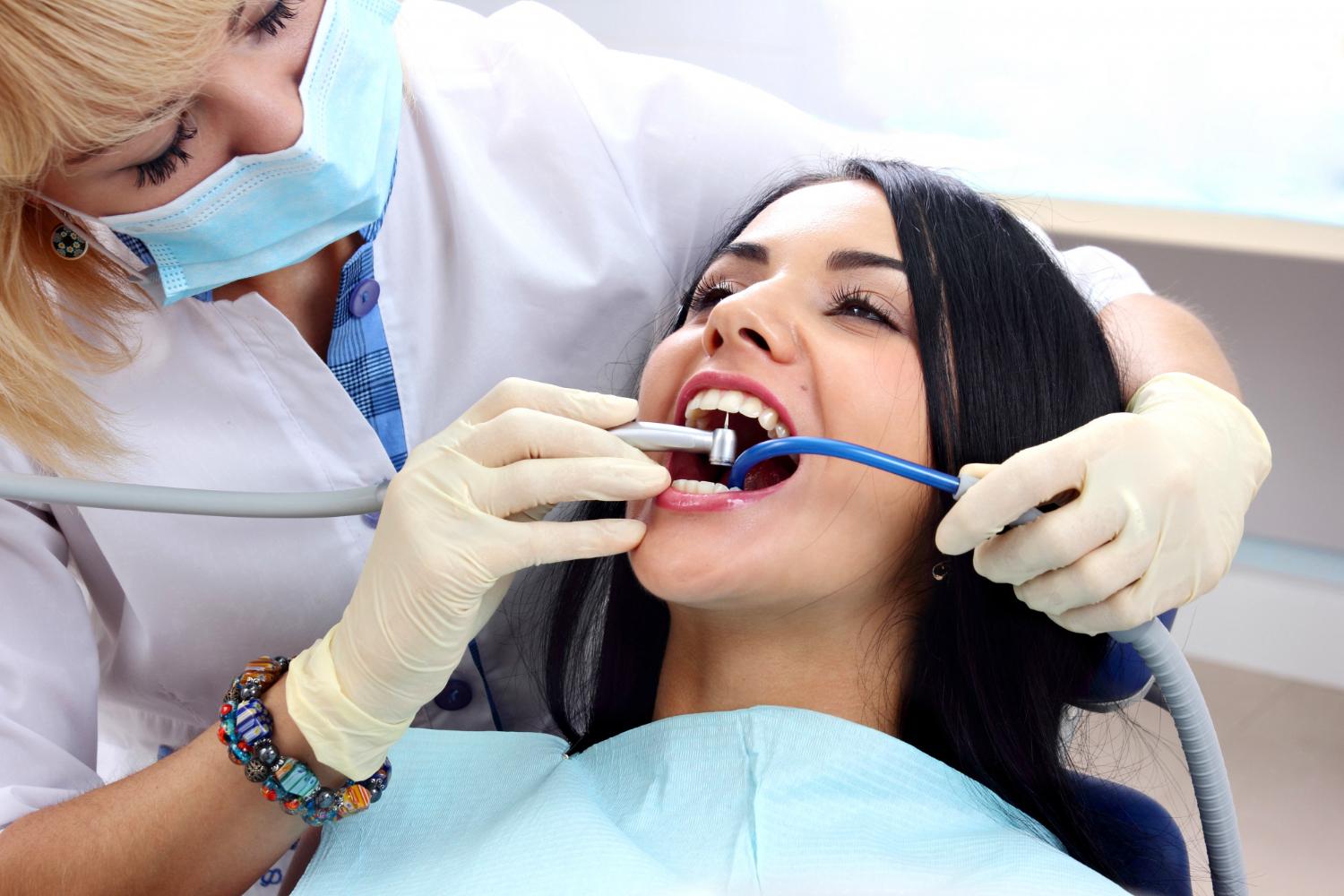
Before a cleaning, a person may remember a single sharp sensation from the last visit more clearly than anything else that occurred. It came when water reached a particular corner, or when an instrument touched a spot near the gumline. The rest of the appointment may have been uneventful. That distinction is useful. It gives the dental team a place to start rather than leaving everyone to assume the mouth is sensitive. A short description at the beginning can change how the visit proceeds and help the clinician decide whether a particular tooth needs a closer look before work begins.
The detail that makes the report useful
Cold water, air, and pressure can produce sensations that feel similar in the moment. An account of what set the pain off and how long it lasted can help the clinician tell them apart. Someone might describe a brief sting that disappeared when the water stopped. Another person might report an ache that lingered or a tooth that hurts while chewing. Those descriptions give the dentist more useful information than a single number on a pain scale.
Location helps even when the person cannot name the tooth. Pointing to the upper left or describing the space beside an old crown can help the office identify the area. It also helps to mention whether sensitivity occurs outside dental appointments. A tooth that reacts every time the person drinks cold water has a history worth examining alongside what happened during the last cleaning.
What the appointment can accommodate
Clove Dental Santa Monica describes teeth cleaning services that include professional removal of plaque and tartar. The plan for a particular visit depends on the exam and the individual’s needs. Someone with a sensitive spot can ask when the clinician expects to work around it and how to ask for a pause. Establishing a simple hand signal can be useful once speaking becomes awkward.
The site’s article on why a cleaning may feel uncomfortable gives context for discussing sensitivity. A person might also bring up a previous experience that was comfortable and say what made it easier. Maybe the clinician explained each step, used short pauses, or asked specifically about a known area. That kind of feedback is easier to act on than a general request for a gentler visit.
A cleaning and an examination can answer different questions
A dental professional can look for exposed root surfaces, signs of decay, or other possible explanations for a sensitive area. The presence of discomfort during a cleaning does not by itself identify the cause. If more assessment is needed, the dentist can explain which tooth or tissue is being investigated and why.
When a person is told that a different kind of cleaning is indicated, they can ask what findings led to the recommendation. Routine cleaning and treatment below the gumline have different purposes. A conversation about teeth cleaning services is easier to follow when the proposed procedure and the reason for it are clear. That also gives the patient a better sense of what to expect afterward.
Compare the same sensation after the visit
The clinician may give advice about what could feel sensitive for a short period and when to report a change. A patient who checks whether cold still produces the same sensation can give the office a more useful description later. A symptom that resolves quickly and one that repeatedly interferes with meals deserve to be described in their own terms.
It is also worth recording the spot when care happens in more than one office. A hygienist who has never met the patient can work from a tooth number or a description in the record. A person who has learned to identify the exact area can fill in gaps if the record is brief.
A better answer than simply getting through it
A cleaning can end with the patient knowing what produced the familiar sensation, or with an explanation of what still needs to be checked. Either way, the person has a more useful answer than the memory of a sharp moment. Teeth cleaning services are easier to discuss when the dental team knows which stimulus, location, and duration matter. An agreed pause gives the patient a way to respond while the appointment is happening. A record of what the team observed makes the next visit easier to plan, especially if the original problem occurred in one small corner of the mouth.

 English
 Arabic
 French
 Spanish
 Portuguese
 Deutsch
 Turkish
 Dutch
 Italiano
 Russian
 Romaian
 Greek
