


Allowed Days in Morocco with eVisa: An Easy Guide
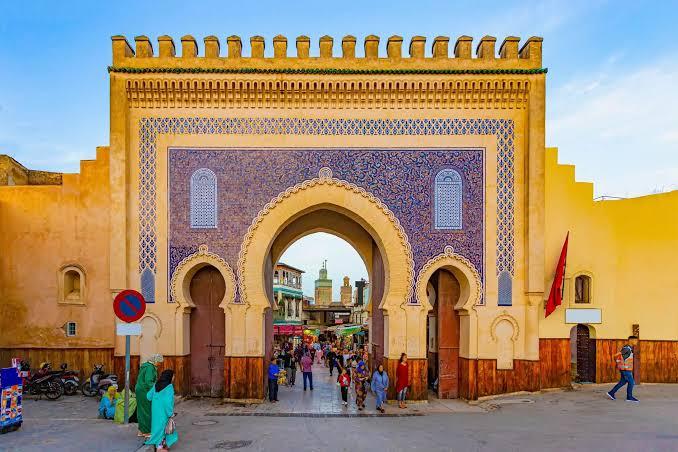
Are you planning a trip to Morocco? Before booking your flight, it is important to know how long you can stay in the country. Understanding the Allowed days in Morocco with eVisa can help you plan your holiday without confusion. It also helps you choose the right travel dates and avoid staying longer than permitted.
How Many Days Can You Stay in Morocco?
According to the travel guide, a Morocco eVisa allows you to stay in the country for up to 30 days.
Your stay starts on the day you arrive in Morocco. It does not start on the day your eVisa is approved.
This is an important detail to remember when planning your trip.
What Is the Difference Between Visa Validity and Stay Duration?
Many travellers think visa validity and stay duration mean the same thing. However, they are different.
-
Visa validity: The time during which you can use your eVisa to enter Morocco.
-
Stay duration: The number of days you can remain in Morocco after arrival.
The guide explains that a Morocco eVisa is generally valid for 180 days from the date it is issued. However, you can stay for only up to 30 days after entering the country.
Remember, 180 days does not mean you can stay in Morocco for six months.
A Simple Example to Understand the Dates
Imagine you receive your Morocco eVisa on 10 December. Your eVisa is generally valid for 180 days.
You decide to arrive in Morocco on 15 January. Your 30-day stay begins on that date.
You must leave within your permitted stay. Always check the exact dates and conditions written on your approved eVisa.
Can You Enter Morocco More Than Once?
The Morocco eVisa described in the guide allows only one entry.
This means you can enter Morocco once using the same eVisa. If you leave the country during your visit, you generally cannot use that eVisa to enter again.
If you plan to visit another country and return to Morocco, check the entry requirements before making your travel plans.
What Can You Do During Your Visit?
The eVisa may cover certain short visits, depending on your eligibility and travel purpose.
These may include:
-
Enjoying a holiday in Morocco.
-
Visiting friends or family.
-
Exploring famous tourist attractions.
-
Attending business meetings.
-
Taking part in short conferences or business events.
Remember that a tourist eVisa does not allow you to take a job or live in Morocco permanently. Different permission may be needed for work, study, or a longer stay.
Can You Stay Longer Than 30 Days?
Do you want to spend more time in Morocco? You may be able to request an extension, depending on your situation.
According to the guide, you should apply before your permitted stay ends.
Keep these points in mind:
-
An extension is not guaranteed.
-
You may need to explain why you want more time.
-
Supporting documents may be required.
-
If your request is refused, you must leave before your permitted stay ends.
It is always better to check your options early.
What Happens If You Stay Too Long?
Staying in Morocco beyond your allowed period can create problems. You may face penalties and difficulties with future travel.
To avoid these issues:
-
Check your arrival date carefully.
-
Know your last permitted day.
-
Plan your return flight in advance.
-
Keep a copy of your approved eVisa.
-
Follow the travel conditions.
Important Things to Remember Before Travelling
Before leaving for Morocco, take a few minutes to check your documents.
Here is a simple checklist:
-
Check your eVisa issue date.
-
Check its expiry date.
-
Enter Morocco before the eVisa expires.
-
Remember that the stay is generally limited to 30 days.
-
Keep a digital and printed copy of your eVisa.
-
Review the latest travel requirements before departure.
Enjoy Your Morocco Trip Without Worry
Planning your travel dates becomes easier when you understand the rules. Remember, the Morocco eVisa is generally valid for 180 days, but it allows a stay of up to 30 days from arrival.
Check your approved eVisa carefully and prepare your documents early. This simple preparation can help you enjoy Morocco's beautiful cities, local food, and welcoming culture with greater confidence.

 English
 Arabic
 French
 Spanish
 Portuguese
 Deutsch
 Turkish
 Italiano
 Russian
 Romaian
 Portuguese (Brazil)
 Greek
