


The new back tooth a child may never mention
A child who loses a tooth can make an event out of it. The arrival of a first permanent molar is easier for a parent to miss. It comes in behind the baby teeth, without a tooth falling out to announce the change. The new chewing surface may start hard to see and harder to reach during brushing. At a dental visit, a parent might hear that the tooth is partly through or that its grooves are deep. Those observations help explain why a dentist sometimes discusses a protective coating while the rest still looks entirely like a child’s.
1. The tooth comes in at the back of the line
Most first permanent molars come in around age six, though the timing varies. They sit behind the primary molars, making them hard to see when a child opens only a little. Families often notice the changing front teeth first. A dental exam gives the clinician a better view of which teeth have erupted and whether their chewing surfaces can be cleaned and examined properly.
A tooth can be present before the whole surface is reachable
Part of a new molar may sit low compared with the surrounding teeth while it erupts. A parent supervising brushing might find that the usual straight pass over the chewing surfaces misses it. A dental professional can demonstrate an angle that reaches the tooth more easily and explain when to look again as it comes through farther.
2. Grooves make a difference to the conversation
The chewing surface of a molar has pits and grooves. Narrow areas can hold plaque and are difficult to clear with a brush. Clove Dental Sherman Oaks explains dental sealants as a protective coating applied to suitable chewing surfaces. Sealing those grooves can reduce the opportunity for decay to develop there. The dentist assesses the tooth and the child’s risk before recommending the procedure.
The tooth needs to be assessed first
A dentist may examine the surface for signs of decay and consider how well it can be kept dry during placement. If an erupting tooth is difficult to isolate, the timing or material may need discussion. Two molars in the same mouth sometimes reach that point at different visits. A parent can ask which teeth are ready and which ones the dentist plans to watch.
3. The appointment can be explained in ordinary terms
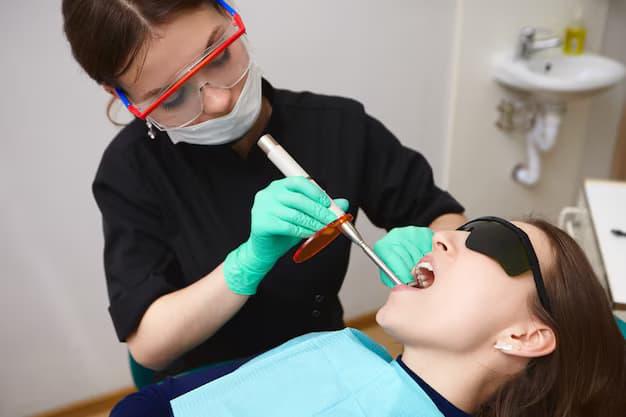
It can help a child to hear what the team will do with the tooth. The surface is cleaned and prepared, and a coating is placed in the grooves. The dentist may use a light to harden certain materials. The tooth also needs to stay dry while the material is being placed. That part of the appointment can be explained as keeping the cheek and tongue away briefly. The clinician can describe which steps apply to the chosen material.
The office’s article about how sealants protect chewing surfaces gives families background on the material and how it fits into preventive visits. While a child is still getting used to new molars, the dental team can show where they sit behind the last baby teeth and what the brushing routine should cover.
4. A coated tooth still belongs on the checkup list
Dental sealants can be reviewed at later visits to see whether they remain intact and whether they need repair or replacement. A coating protects the treated grooves. The sides of the teeth and spaces between them still need regular attention. The dentist can explain how sealants, fluoride toothpaste, and other preventive measures fit together for the child’s particular needs.
A parent keeping track of several dental visits may find it helpful to know which tooth was treated. A short note such as upper left permanent molar gives the family more useful information than the memory that something was put on a back tooth last spring. A dentist can also share which teeth are likely to be discussed next. A family changing dental offices can ask for a copy of the treatment record so the new team knows when the sealants were placed.
A newly erupted molar has a long job ahead
The excitement over a loose baby tooth is easy to share. A permanent molar arrives quietly and gets straight to work chewing school lunches and dinners at home. That ordinary job is part of the reason it deserves an early look. Dental sealants can enter the discussion when the grooves are suitable and the tooth is ready. Families also get a chance to learn where to brush and what the dentist plans to check in the future. The first visit turns a tooth most children barely notice into a familiar part of their dental routine for the years to come.

 English
 Arabic
 Spanish
 Portuguese
 Deutsch
 Turkish
 Dutch
 Italiano
 Russian
 Romaian
 Portuguese (Brazil)
 Greek
