What is ADAS Calibration?
ADAS calibration is the process of aligning and resetting advanced driver-assistance systems so they function according to manufacturer specifications. These systems include lane departure warning, adaptive cruise control, emergency braking, and parking assistance technologies. Even minor sensor movement can affect system accuracy, making recalibration necessary after repairs. The process ensures cameras and radar units measure distance, speed, and lane positioning correctly. Static calibration uses controlled workshop tools, while dynamic calibration requires driving under specific conditions. Both methods restore system precision, allowing safety features to operate accurately in real-world driving situations.
How Long ADAS Calibration Takes
ADAS calibration time depends on system design, repair type, and diagnostic requirements. Basic calibration may take 30 minutes to 2 hours for simple systems with limited sensors. More advanced vehicles equipped with multiple cameras and radar units often require 3 to 5 hours. Combined static and dynamic calibration increases total time due to both workshop setup and road testing. Additional scanning before and after calibration ensures system accuracy. In some cases, recalibration may take longer if adjustments fail initial verification checks, requiring repeat alignment procedures for full compliance.
Steps in ADAS Calibration Process
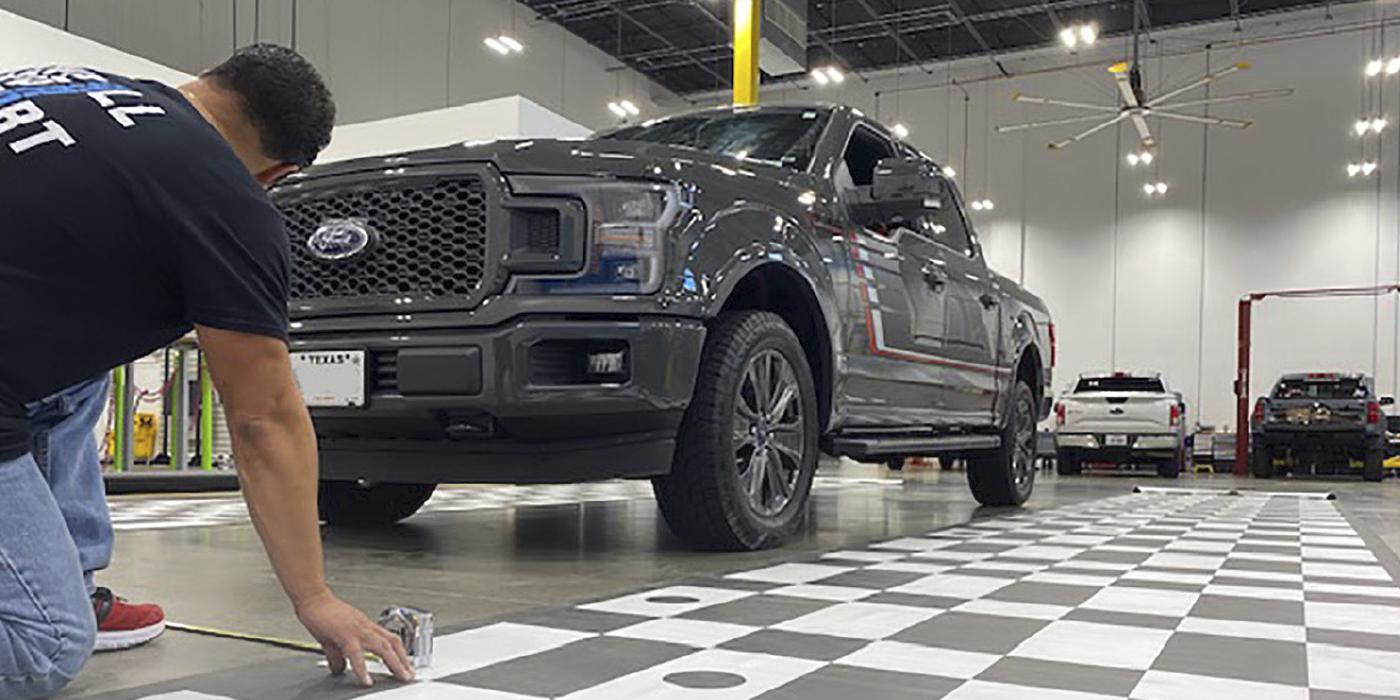
The calibration process follows structured stages to ensure accuracy and safety compliance. A diagnostic scan is performed first to detect system errors and identify required adjustments. Technicians inspect sensors, cameras, and radar units for correct placement and condition. Static calibration uses manufacturer-approved targets positioned in a controlled workshop environment. Dynamic calibration requires driving the vehicle on specified roads to allow system relearning. A final scan confirms proper operation of all systems. Test drives may follow to verify real-world performance. Documentation is completed to record calibration results for safety and service records.
Pre-Calibration Requirements
Pre-calibration preparation ensures the system is ready for accurate alignment. Technicians confirm that all related repairs, such as windshield replacement or suspension work, are fully completed. Tire pressure, wheel alignment, and vehicle load conditions are checked to meet manufacturer standards. Fault codes are scanned and cleared where required to avoid interference during calibration. Sensors and camera lenses are cleaned and inspected for damage or obstruction. Proper positioning of the vehicle on a level surface is essential for static calibration. These steps reduce errors and support accurate system adjustment during the calibration process.
Factors Affecting ADAS Calibration Time
Calibration time varies due to multiple influencing conditions that affect workflow and system complexity.
- Vehicle make and model complexity
- Number of sensors and cameras installed
- Type of ADAS system configuration
- Extent of repair or collision damage
- Calibration method required (static, dynamic, or combined)
- Equipment availability and setup time
- Technician experience and diagnostic efficiency
- Road and weather conditions for testing
Each factor contributes to the total service duration. Advanced vehicles often require longer calibration due to detailed sensor alignment and verification procedures, ensuring accurate system performance and safety compliance.
Post Calibration Checks
Post-calibration checks confirm that all driver-assistance systems function correctly after adjustments. A final diagnostic scan verifies that no error codes remain active and that all sensors communicate properly. Technicians review system outputs such as lane detection, braking response, and radar accuracy. A controlled test drive may follow to evaluate real-world performance under normal driving conditions. Calibration reports are documented for compliance, insurance validation, and future reference. These checks ensure the vehicle meets manufacturer standards and that safety systems respond accurately, maintaining reliable operation in different road environments.
Why Proper Calibration Matters
Proper ADAS calibration ensures that safety systems operate with accurate detection and timely response. Incorrect alignment can cause delayed alerts, incorrect lane tracking, or failure of emergency braking functions. These issues increase accident risks and reduce system reliability. Calibration also supports manufacturer requirements and insurance approval after repairs. Many claims require proof of correct calibration for settlement approval. Accurate system alignment improves driver awareness and ensures features such as adaptive cruise control and collision warning perform as designed. Regular calibration after repairs maintains long-term safety and system stability.
Mobile vs Workshop Calibration
Calibration services are performed either through mobile units or workshop facilities depending on system requirements. Workshop calibration provides a controlled environment with advanced tools, making it suitable for static procedures requiring precise alignment. Mobile calibration offers convenience by bringing equipment to the vehicle location, reducing downtime and towing needs. However, some vehicles require workshop conditions for dynamic testing and advanced setups. The choice depends on manufacturer specifications, repair type, and system complexity. Both methods aim to restore accurate sensor alignment and ensure reliable performance of all driver-assistance features.
Conclusion
ADAS calibration time depends on vehicle technology, system complexity, and required procedures. Some calibrations finish within an hour, while others extend several hours due to multi-step verification and testing. Each stage ensures driver-assistance systems function accurately and safely after repairs or component replacement. Factors such as sensor type, calibration method, and repair scope influence total duration. Proper calibration remains essential for maintaining road safety, system reliability, and manufacturer compliance. Understanding the process helps vehicle owners set realistic expectations and recognize the technical work required to restore advanced safety systems effectively.




 English
 Arabic
 Spanish
 Portuguese
 Deutsch
 Turkish
 Dutch
 Italiano
 Russian
 Romaian
 Portuguese (Brazil)
 Greek