


SaintDeSocks OEM Socks: Flexible Manufacturing for Premium Comfort
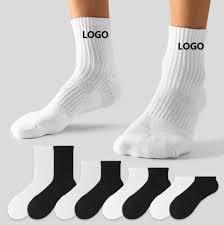
In today's competitive apparel market, brands need products that balance consistency, comfort, and attractive presentation. OEM Socks give retailers and labels the flexibility to build a distinct product line without sacrificing quality. For new collections and established programs alike, OEM Socks can be adapted to different materials, fits, and customer segments while keeping production aligned with brand expectations.
1. Why OEM Production Supports Stronger Product Lines
One of the biggest advantages of OEM manufacturing is control. A brand can shape the sock's identity through fiber selection, cuff height, padding density, and packaging style. That level of flexibility helps a company respond to seasonal demand, regional preferences, and changing consumer trends. Rather than relying on generic inventory, businesses can create a product that matches their positioning more precisely. This is especially useful for labels that want a recognizable look and a dependable feel across multiple releases.
OEM development also supports planning. When a company works from clear specifications, it becomes easier to manage repeat orders and maintain steady quality from one batch to the next. Consistency matters because customers notice differences in softness, stretch, stitching, and durability. A well-managed manufacturing process reduces those surprises and gives buyers confidence in the finished product. In a crowded marketplace, that confidence often becomes a long-term advantage.
2. Material Choices That Shape Comfort
Sock comfort begins with fiber selection. Cotton remains popular for its softness and familiar feel, while blended yarns can add stretch, resilience, and better shape retention. For performance-focused collections, moisture management and breathability may matter just as much as texture. When materials are selected with purpose, the final product feels more thoughtful and more market-ready.
Designers also pay attention to touch points. Smooth seams can reduce friction, and balanced elasticity helps the sock stay in place without feeling restrictive. These details may seem small, but they heavily influence how a customer judges quality after a few hours of wear. A product that feels comfortable from morning to evening is more likely to earn repeat purchases and positive reviews. That is why material planning is often the foundation of a successful sock program.
3. Brand Identity and the Role of SaintDeSocks
A strong sock line is never just about fabric. It also reflects the identity of the label behind it. A brand such as SaintDeSocks can use custom development to express a clear style language through color palettes, packaging, and fit preferences. That identity helps products stand out on shelves and in online listings, especially when customers compare many similar options at once.
Good branding also builds trust. When buyers see consistent presentation and reliable sizing, they begin to associate the line with professionalism. That association matters in wholesale and direct-to-consumer channels alike. It can influence how a retailer orders, how a customer returns for another purchase, and how a collection performs over time. In this sense, the manufacturer's work becomes part of the brand story, not just the supply chain.
4. Quality Control That Protects Reputation
Quality control is one of the most important parts of sock production. A strong process checks stretch recovery, color stability, seam strength, and wash performance before products reach customers. These checks help reduce defects and keep inventory consistent across different production runs. For businesses, that means fewer complaints and fewer costly replacements.
Inspection should also consider presentation. Sizing labels, folding style, packaging accuracy, and barcode placement all affect the buyer's experience. Even small issues can weaken confidence if they appear repeatedly. Careful control at each stage protects the reputation of the finished line and keeps the product aligned with the standards of its market.
5. Working With the Right Manufacturing Partner
Choosing the right partner is as important as choosing the right design. A dependable manufacturer should communicate clearly, understand target audiences, and offer practical guidance on production details. Transparent sample development, reasonable lead times, and responsive support all make the process smoother. Brands benefit most when they can move from concept to finished product without unnecessary friction.
For companies planning a new collection or expanding an existing one, the ideal partner is one that can balance creativity with dependable execution. That combination helps a product line stay competitive while maintaining its own visual and technical standards. To explore more options and product details, visit https://www.saintdesocks.com/product in the final stage of your sourcing process.

 English
 Arabic
 French
 Spanish
 Deutsch
 Turkish
 Dutch
 Italiano
 Russian
 Romaian
 Portuguese (Brazil)
 Greek